
Fried chicken has always had fans. Right now, it has something closer to a fandom. Nashville hot joints are signing leases in cities that had never heard of cayenne paste, Korean double-fry technique is rewriting what a crust is supposed to do, and the Southern independents who never needed a marketing budget are suddenly the ones everyone is trying to copy.
National Fried Chicken Day has never had more genuine competition behind it.
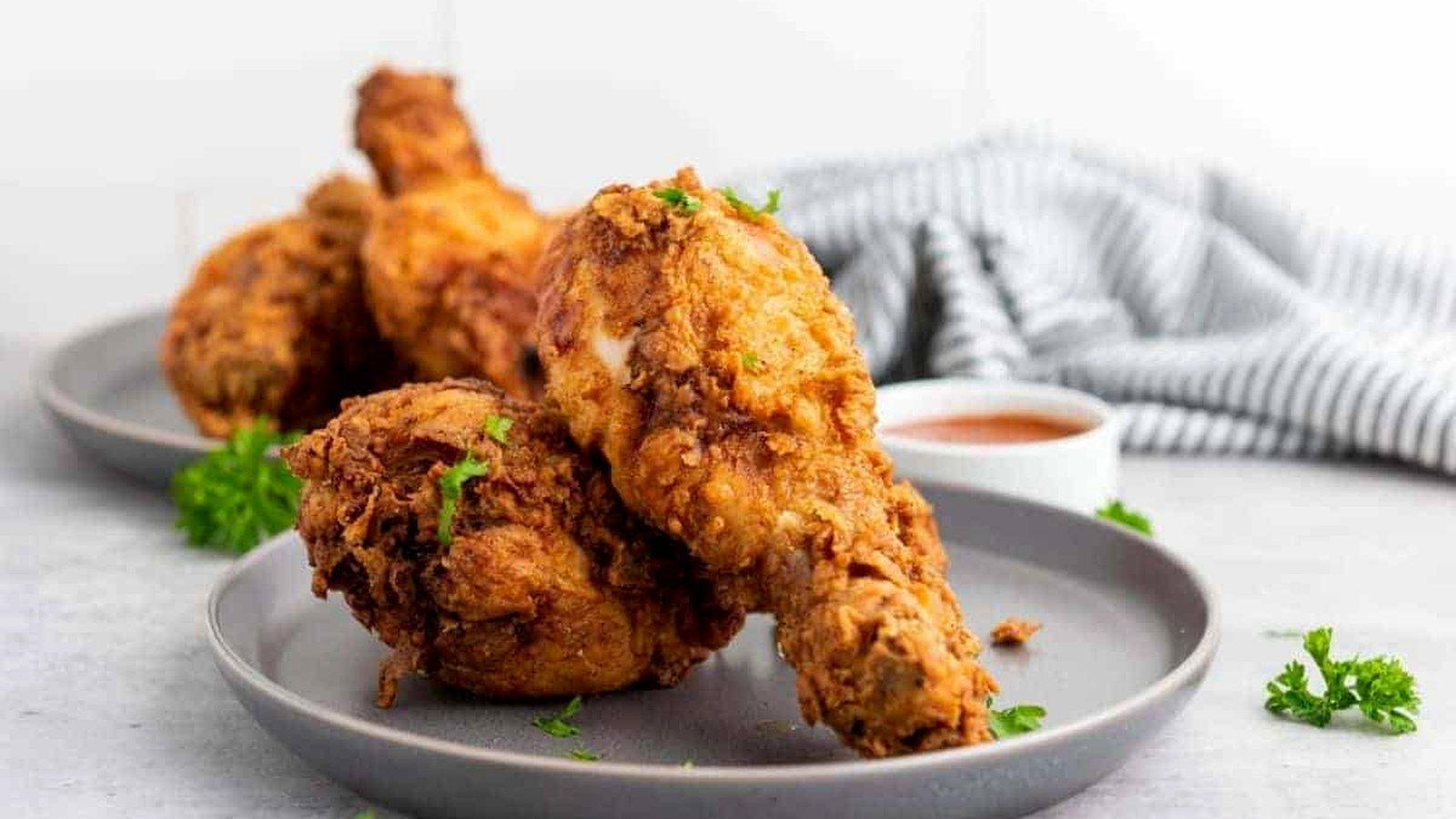
It started with a tweet. In 2019, Popeyes launched a chicken sandwich that sold out in days and kicked off the chicken sandwich wars. Those wars never ended: they pulled Nashville hot, Korean technique and Southern independents into a category the big chains are still scrambling to map.
The numbers back it up
While the broader fast-food industry saw traffic drop 1% in the year ending September 2025, QSR chicken traffic climbed 3% and is now up 15% since 2019. Systemwide sales for chicken restaurant concepts now exceed $52 billion a year. In a rough stretch for restaurants, fried chicken keeps pulling ahead.
Nashville hot: the dish born from revenge
The origin story is almost too good. A wronged woman in 1930s Nashville loaded a fried chicken breakfast with cayenne to punish her unfaithful partner, Thornton Prince. He loved it, opened a restaurant and accidentally created one of the most copied flavor profiles in American food history.
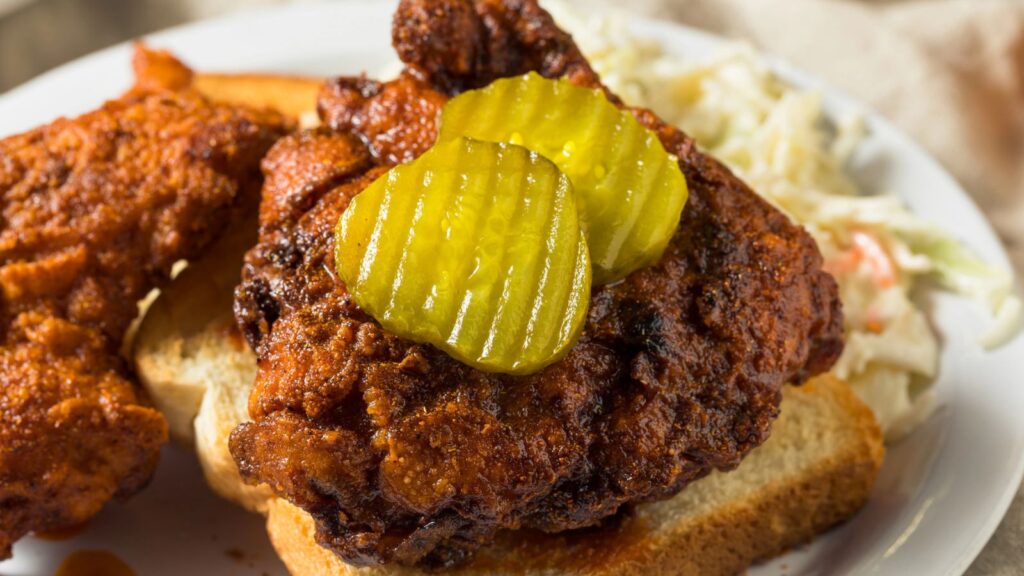
Today that dish is a billion-dollar category. Dave’s Hot Chicken, which started as a parking lot pop-up in East Hollywood in 2017, sold a majority stake to Roark Capital for a reported $1 billion in 2025. Its hottest spice level requires a signed waiver.
Hangry Joe’s Hot Chicken & Wings ranked second on Restaurant Business magazine’s Future 50 for 2024. The concept born from an act of domestic revenge is now one of the fastest-growing segments in American food.
Korean double-fried: the technique worth knowing
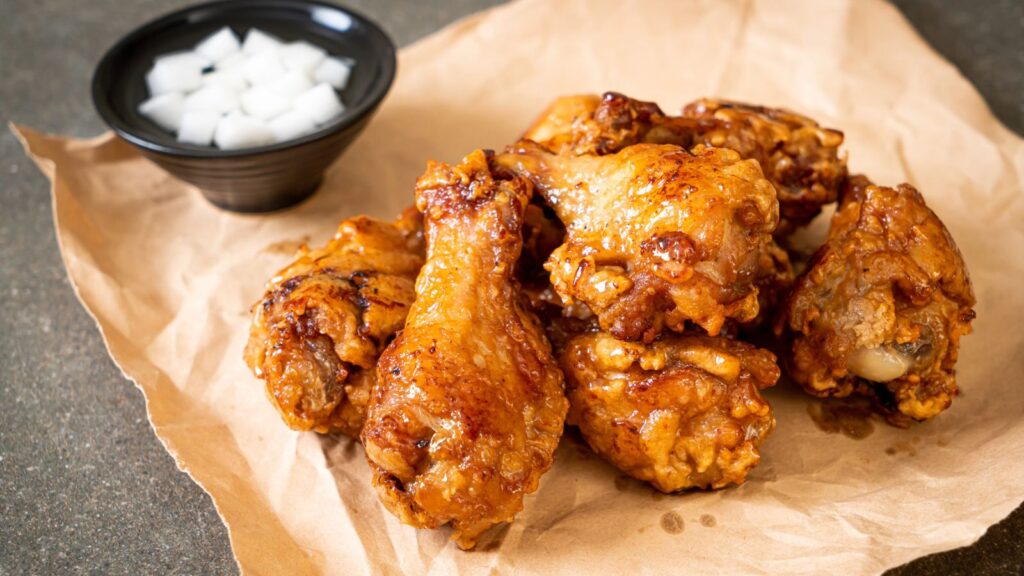
Korea has been perfecting its fried chicken for decades. The method fries the bird twice: once to cook it through, then again to shatter the crust into something crackling and thin that stays crispy long after it hits the table.
A 2025 global survey found Korean-style fried chicken ranked as the most preferred Korean food worldwide at 14%, ahead of kimchi, bibimbap and everything else. Korean restaurant locations in the US grew 10% in 2024, driven largely by fried chicken demand.
Southern originals: the ones the chains keep copying
Before the spice labs and the six-figure leases, there was cast iron, buttermilk brine and patience. Southern fried chicken, cooked to order with a recipe handed down, is what the whole category is built on.
A generation of diners can tell the real thing from a chain approximation. They drive past multiple locations to find the place that get it right, and those independent spots earn loyalty no marketing budget can manufacture.
Who’s winning
Chick-fil-A still leads per the most recent YouGov survey, with KFC second and Popeyes third. But Raising Cane’s grew from $350 million in system sales to $5.1 billion over the past decade and leapfrogged KFC, while Popeyes posted its fourth consecutive quarterly U.S. sales decline in early 2026.
The category keeps growing. The winner’s list is not.
On National Fried Chicken Day, skip the drive-through deal and find the local spot that has been getting it right for years. That is the one worth the line.
Jennifer Allen is a retired professional chef and long-time writer. Her work appears in dozens of publications, including MSN, Yahoo, The Washington Post and The Seattle Times. These days, she’s busy in the kitchen developing recipes and traveling the world, and you can find all her best creations at Cook What You Love.