
Most people eating a chocolate bar right now have no idea a completely different version of it exists. A generation of makers has spent two decades sourcing cacao from single farms in Ecuador, Tanzania and Hawaii, turning those beans into bars that taste unmistakably of where they grew. World Chocolate Day is a good moment to find out what they built.
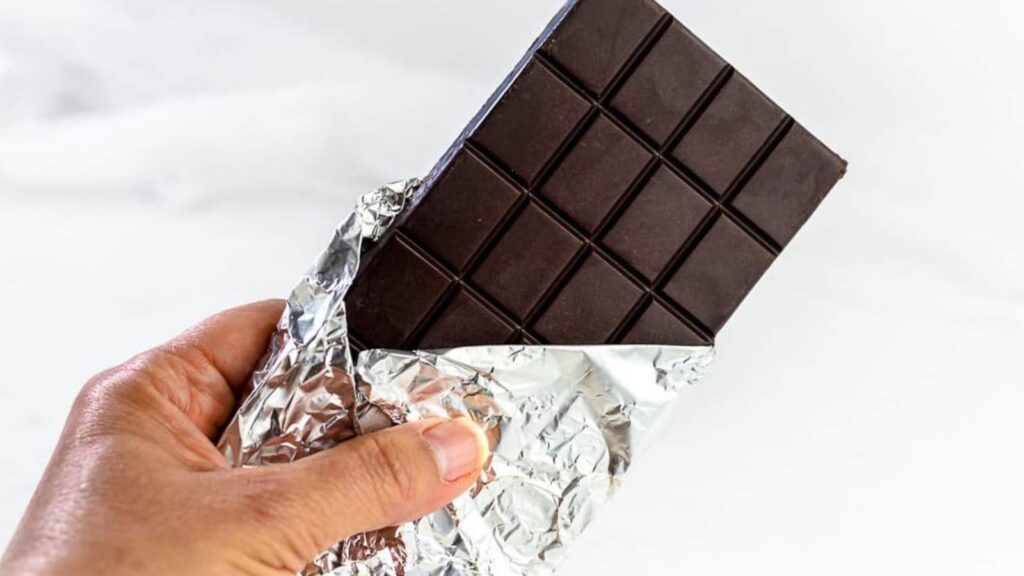
Bean-to-bar is the discipline behind it. Raw cacao from one specific farm, roasted and ground by the same maker who selected it, with nothing added to mask what that origin actually tastes like. The result is chocolate that varies by where it was grown the way good wine varies by vineyard. For most people reaching for a bar at the checkout counter, that version of the thing has almost certainly never crossed their lips.
U.S. retail chocolate sales hit $28.4 billion last year, with 44% of consumers reaching for it more than once a week. What the bean-to-bar movement is asking is whether a habit that widespread deserves a better bar.
American makers worth finding
Dandelion Chocolate in San Francisco has been doing exactly this since 2010. Two ingredients only: cocoa beans and organic cane sugar. No cocoa butter, no vanilla, no emulsifiers. Strip everything back and what is left is the flavor of the bean itself. The Mission District factory offers guided tours with tastings moving from fresh cacao pulp through roasted nibs to finished single-origin bars.
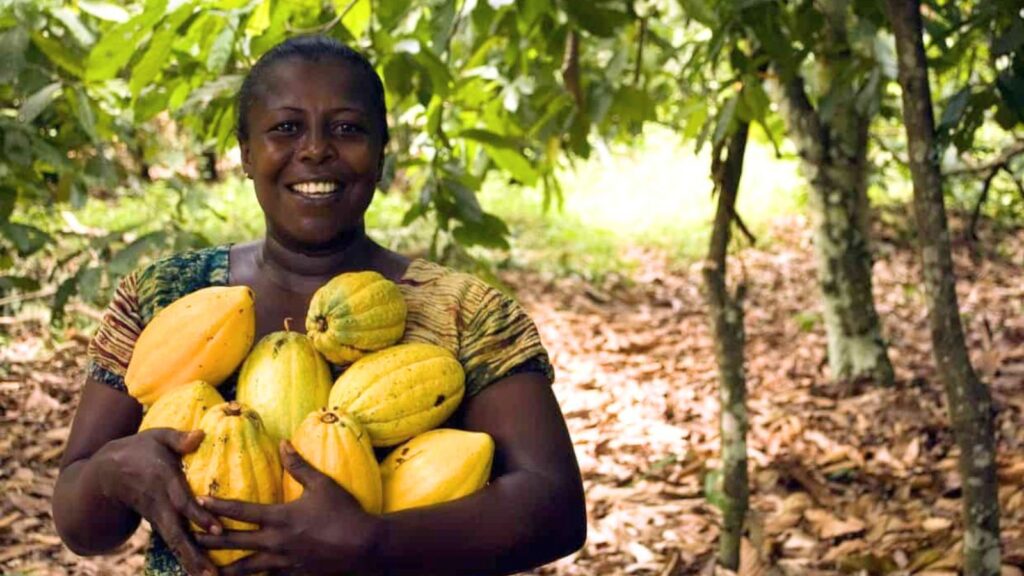
In Springfield, Missouri, Askinosie Chocolate has been making that argument since 2007. Founder Shawn Askinosie left a career as a criminal defense attorney to build a direct-trade operation sourcing 100% of its beans from farmer partners in Ecuador, Tanzania and the Philippines. He profit-shares with those farmers, puts their photographs on the labels and runs factory tours with proceeds funding a program that sends Springfield students to the countries where the cacao grows.
Ritual Chocolate in Heber City, Utah, rounds out the picture geographically. Public tours run every Friday and Saturday, walking visitors through the full process from sourcing to finished bar. That a serious craft operation exists in ski country says something about how far origin-forward chocolate has traveled.
Hawaii: where the cacao actually grows
Hawaii is the only U.S. state where cacao grows commercially. On the Big Island, the Hamakua coast north of Hilo has more than 11 active cacao farm tour operators, with experiences ranging from $30 one-hour tastings to $125 deep-dives covering fermentation science and single-origin comparisons.
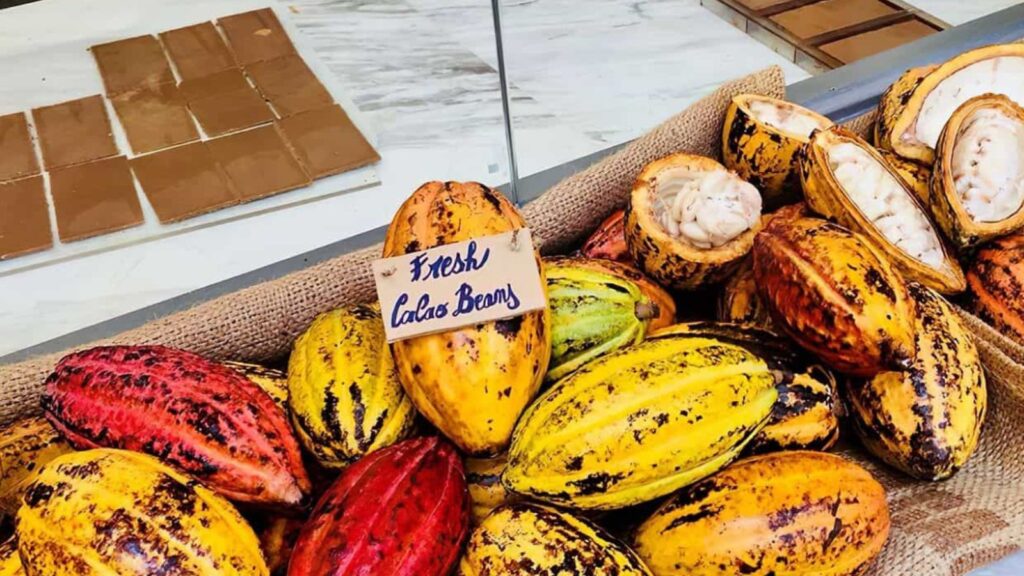
On Maui, Ku’ia Estates in Lahaina runs tree-to-bar tours across 20 acres in the West Maui Mountain foothills, finishing with a nine-piece tasting of varieties most visitors have never encountered. On Oahu, Manoa Chocolate in Kailua offers self-guided factory tours through a working production facility, with Hawaiian-grown cacao processed steps from where it was harvested.
For the trip abroad
Ecuador is where the cacao story begins in earnest. The region’s history with cacao stretches back more than 5,300 years, and Ecuador has since declared its cacao and production chain a national tourist activity of interest. Cloud forest farms along the coast, in the Andes and into the Amazon offer harvest participation and tastings of varieties known for floral notes and fruit complexity.
St. Lucia offers something closer to full immersion. The Rabot Estate, owned by Hotel Chocolat, runs a working cacao plantation with on-site accommodation, a spa with cacao treatments and a restaurant dedicated entirely to cacao cuisine. In Antigua, Guatemala, ChocoMuseo offers bean-to-bar workshops drawing on Mayan chocolate heritage, with bar-making sessions spanning the full arc from raw bean to finished bar.
The easiest place to start
Coffee went through this reckoning 20 years ago. Wine went through it before that. Chocolate is in the middle of its own right now. You don’t need a flight to Ecuador to feel the difference. Find a bar from a maker who knows the farm, and the chocolate you thought you knew will taste like something else entirely.
Mandy Applegate is the creator behind Splash of Taste and seven other high-profile food and travel blogs. She’s also the co-founder of Food Drink Life Inc., a unique and highly rewarding collaborative blogger project. Her articles appear frequently on major online news sites, and she always has her eyes open to spot the next big trend.