
High protein eating is having a real moment in 2026, and the reason has less to do with a new diet fad and more to do with two forces converging at once: a wave of GLP-1 medications reshaping how millions of Americans eat, and a broader cultural pivot away from low-carb thinking toward protein-first meals. Most people still picture a ribeye or a chicken breast the size of a dinner plate when they hear “high protein.” That assumption is outdated and increasingly expensive.
This post may contain affiliate link(s). As an Amazon Associate, I earn from qualifying purchases. See Disclosures.
“High protein” gets used loosely, but the term actually has a real threshold behind it, and that threshold matters more than it used to for a growing share of the population. GLP-1 medications suppress appetite so effectively that many users eat far less overall, and a meaningful share of the weight that comes off can be muscle, not just fat. Hitting a real protein number at each meal has shifted from a wellness talking point to something closer to a physiological necessity.
Researchers have actually put a figure on that threshold: eating roughly 25 to 30 grams of protein. The muscle-loss math backs this up further, since up to 40% of the weight lost with semaglutide is lean mass. Grocery carts already reflect the change, with more than a third of current GLP-1 users cutting back sharply on sweets and salty snacks.
Eggs and dairy do more than people expect
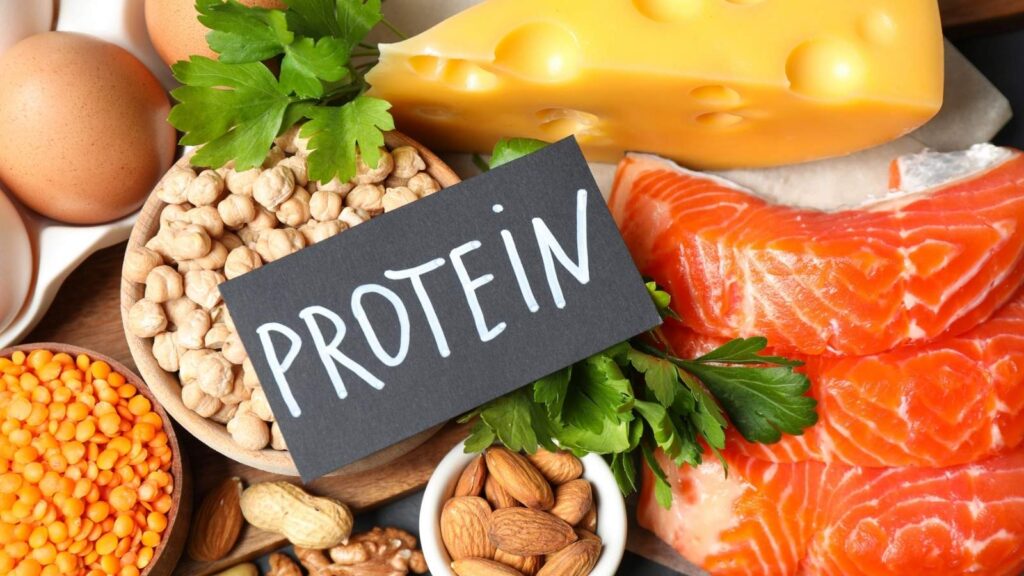
Eggs are among the most efficient protein sources on the shelf, delivering about 6 grams of protein each for a fraction of the cost of most meat. Three eggs alone provide about 18 grams. Stirring in a half cup of cottage cheese, worth around 12 grams on its own, pushes a simple scramble past 30 grams with no extra cooking. Greek yogurt works the same way as a snack-side addition.
Canned fish is shelf-stable and surprisingly protein-dense
A standard 5-ounce can of tuna packed in water delivers more than 30 grams of protein on its own, clearing 25 grams with nothing else added. Sardines and canned mackerel run close behind, with a longer shelf life and a lower price point than most fresh fish. These pantry staples do not spoil and can be stirred into a salad or eaten straight from the can in under a minute.
Legumes stretch a grocery budget further than most people realize
A cup of cooked lentils carries close to 18 grams on its own, short of 25, but a fried egg or a sprinkle of feta on top clears that mark easily. A cup of chickpeas, around 14 grams, works the same way with a scoop of Greek yogurt on the side. Dried versions cost even less than canned, and the fiber they bring pairs directly with the protein-forward eating pattern GLP-1 users are increasingly counseled to follow.
Plant proteins fill the gap for people cutting back on meat
A full cup of tempeh delivers around 34 grams on its own, clearing 25 grams without any pairing. Tofu takes more assembly: a half cup of firm tofu carries around 10 grams, but adding a cup of edamame, worth close to 18 grams, turns a stir-fry into a meal well past the mark. Both absorb marinades well and hold up to grilling or roasting, reading less like vegetarian substitutes and more like legitimate protein sources.
This is not a passing trend confined to people on medication. Roughly 18% of U.S. adults are now using a GLP-1 drug, up from about 14% just last year, according to FTI Consulting’s spring 2026 survey of more than 1,000 adults. That kind of growth does not stay contained to pharmacies. Food companies, restaurant menus and grocery aisles are already reorganizing around protein as a default expectation rather than a specialty request.
None of this requires a steak dinner five nights a week. The eggs already in the refrigerator, the canned tuna in the pantry and a bag of dried lentils can each carry a meal past the 25-gram mark without touching a grill. As GLP-1 use climbs and protein keeps its grip on the national conversation, the cheapest path to hitting the number may already be sitting in the cupboard.
Disclaimer: These statements have not been evaluated by the Food and Drug Administration. The contents of this article are for informational purposes only and do not constitute medical advice. The content presented here is not intended to be a substitute for professional medical advice, diagnosis or treatment. Always seek the advice of a qualified healthcare provider with any questions you may have regarding a medical condition or dietary changes. Reliance on any information provided by this article is solely at your own risk.
Jennifer Allen is a retired professional chef and long-time writer. Her work appears in dozens of publications, including MSN, Yahoo, The Washington Post and The Seattle Times. These days, she’s busy in the kitchen developing recipes and traveling the world, and you can find all her best creations at Cook What You Love.