
Cottage cheese was supposed to be your grandmother’s fridge staple, not a Wall Street investment thesis. But TikTok turned it into a protein-packed blank canvas this year, and shoppers followed closely enough that investors started paying attention too. A private equity firm just made one of its biggest bets yet on a food category most people had written off a decade ago.
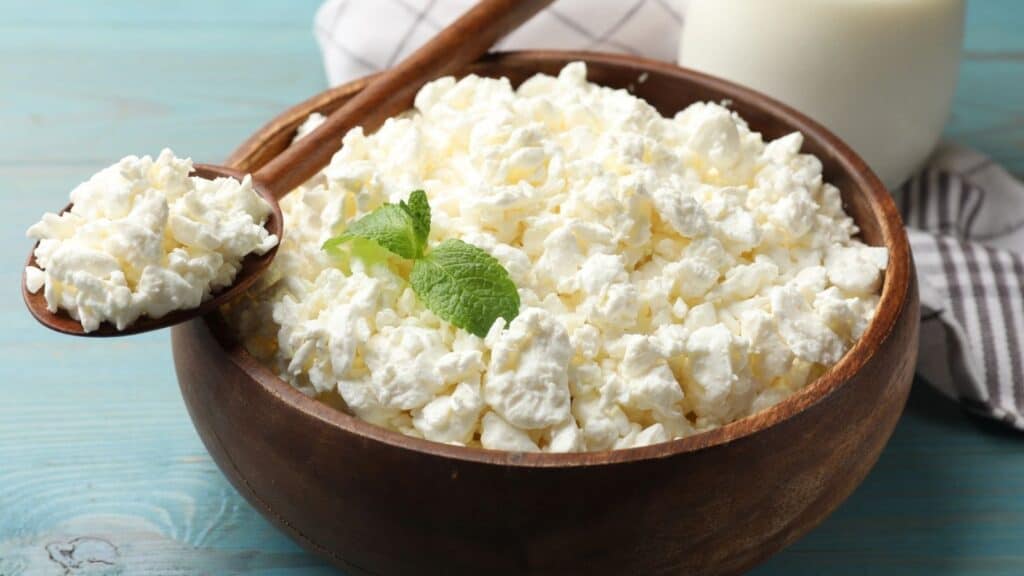
The obsession started small, with cottage cheese ice cream recipes flooding TikTok feeds. From there it spread fast, turning up in flatbreads, pancake batter and dozens of savory dips. For shoppers counting protein grams instead of calories, cottage cheese offered a lot of payoff for very little effort, and the internet noticed.
The numbers back up the hype. Per-person cottage cheese consumption hit 2.37 pounds in 2024, the highest level since 2009, according to USDA data. Retail volume jumped 14.3% in 2025 alone, reaching 746.6 million pints, per Circana data.
MULU chases the highest-protein crown
Dairy Farmers of America is leaning hard into the moment. In April, the co-op launched MULU, a cottage cheese built around a two-layer whey and casein protein system. The brand says it delivers 18 grams of protein per half-cup serving, 33% more than the leading cottage cheese brand.
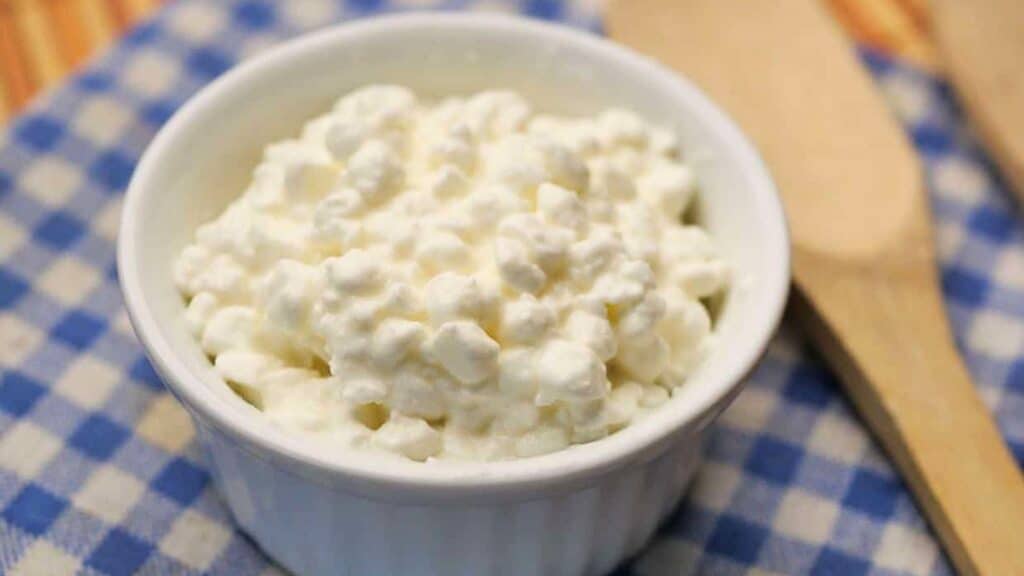
DFA describes the formula as fast-digesting whey paired with slower-releasing casein, language that sounds more like performance nutrition than traditional cottage cheese marketing. MULU launched exclusively at Walmart stores nationwide, another sign this protein craze is changing what’s inside the tub, not just the marketing on it.
Private equity just made a serious bet
Good Culture is the clearest proof investors see staying power in the category. In January, private equity firm L Catterton agreed to acquire a majority stake in the brand, one of the biggest winners of cottage cheese’s social media rise. Good Culture said its sales have nearly quadrupled over three years, while the wider category grew nearly 60% over the same period.
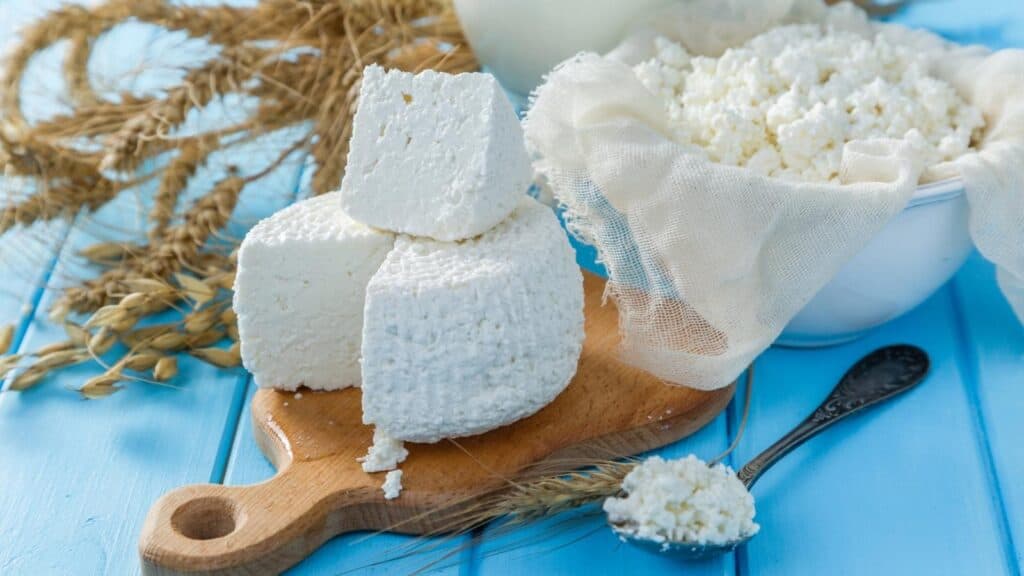
Neither company disclosed terms, but Reuters and The Wall Street Journal reported the deal valued Good Culture at more than $500 million. The expansion kept moving after the deal closed. In June, Good Culture and the Michigan Milk Producers Association announced plans to boost cottage cheese production at a facility in Remus, Michigan, a sign both companies expect demand to last well beyond the social media moment that started it.
The protein obsession goes well beyond cottage cheese, and CNBC reports 70% of Americans now say they’re trying to eat more of it. Cottage cheese just happens to be one of the easiest ways to hit that goal, no cooking required. That’s reason enough to give the tub in your fridge a second look.
Mandy Applegate is the creator behind Splash of Taste and seven other high-profile food and travel blogs. She’s also the co-founder of Food Drink Life Inc., a unique and highly rewarding collaborative blogger project. Her articles appear frequently on major online news sites, and she always has her eyes open to spot the next big trend.