
Black-owned food and drink brands are hitting national grocery shelves faster than the old retail playbook allowed. Retailers are watching what shoppers already love online, then moving on it, brand by brand. This Black Business Month, that pattern is already showing up in the aisle.
This post may contain affiliate link(s). As an Amazon Associate, I earn from qualifying purchases. See Disclosures.
Retail buyers used to sit on a new product for months, running regional tests before ever considering a national rollout. Now, brands that build visible demand online are the ones retailers add next, and Black-owned brands keep showing up early in that mix. That early presence shows up less in headlines and more in what’s actually stocked on shelves.
New food and beverage products are pulling in 22% more sales online than the category average right now, a sign that digital attention is proving out consumer demand before a product ever reaches a physical shelf. Industry tracking shows the real risk for a brand today is failing to launch loud enough to get noticed at all.
From a garage to grocery shelves everywhere
Childhood friends Pernell Cezar and Rod Johnson, who grew up in Gary, Indiana, founded BLK & Bold Specialty Beverages out of Des Moines in 2018, building what the company calls the first Black-owned nationally distributed coffee brand. The company now ships to more than 11,000 retail locations across the country, including Target, Walmart, Whole Foods, Costco and Amazon.
Five percent of the company’s gross profits go toward nonprofits supporting under-resourced youth, a model that has generated more than $450,000 in donations since launch. What started as a commercial roaster in Cezar’s garage now sits on some of the country’s biggest retail shelves.
1 allergy scare built a snack brand shoppers trust
Denise Woodard started Partake Foods in her New York kitchen after doctors diagnosed her daughter Vivienne with multiple food allergies, and Woodard couldn’t find a safe cookie on any shelf. She sold her engagement ring to keep the company running in its early days. In 2019, she became the first Black woman to raise $1 million in public funding for a packaged food or beverage startup, a round led by Marcy Venture Partners. A decade later, Partake’s allergy-friendly cookies and baking mixes are in thousands of stores across the country, built from a kitchen problem into a shelf-ready brand.
30 years in, Rap Snacks reaches Costco
Rap Snacks has sold chip bags built around hip-hop culture out of Miami since 1994, but this spring founder James Lindsay took the brand somewhere it had never been. In March, Rap Snacks and Snoop Dogg launched a health-conscious kettle chip line called Do The Right Thing, debuting at Costco locations across six states, the brand’s first entry into warehouse club retail.
The line leans on cleaner ingredients and cultural credibility to reach shoppers who’d normally overlook a snack-aisle newcomer. Rap Snacks now sits in more than 40,000 stores coast to coast, three decades after its first sale.
McBride Sisters’ wine reaches the top
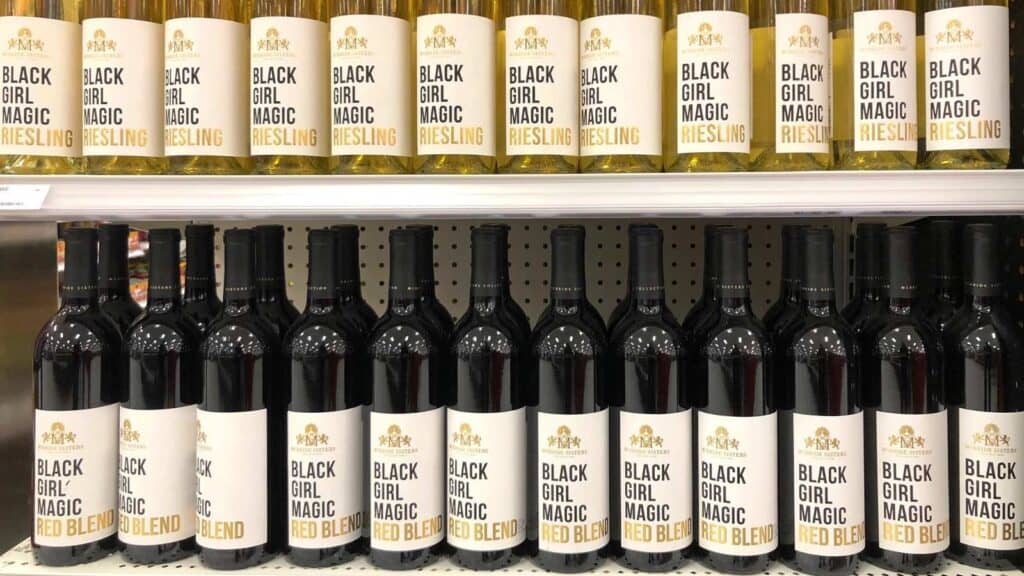
Sisters Robin McBride and Andréa McBride John built McBride Sisters Wine Company into the largest Black-owned and largest women-founded wine company in the United States. The company produces wine across two hemispheres, from the Central Coast of California to New Zealand. Their Black Girl Magic Wines label became one of the fastest-growing brands in the country within a year of its 2018 launch.
The company now sells its wines through Fortune 500 grocery chains and mass retailers in nearly all 50 states, along with wine and spirits chains, hotels and airlines, distribution built on cultural branding as much as bottle count.
Grocery still holds on to most shoppers, but shelf space alone no longer decides a food brand’s fate. Online sales now account for 74% of total dollar growth across the consumer packaged goods industry, and TikTok Shop sales of salty snacks alone reached $44 million over a recent 52-week period, up 43% from the year before, with warehouse clubs and mass retailers pulling billions in sales away from traditional grocery stores. For Black-owned food and beverage brands, that fragmented map means more entry points than the traditional grocery aisle ever offered.
As retailers keep favoring brands that already show real online demand, the ones reaching shelves first are the ones that already proved that demand exists, whether through a garage-roasting operation, a Kickstarter campaign or a Costco debut.
Jennifer Allen is a retired professional chef and long-time writer. Her work appears in dozens of publications, including MSN, Yahoo, The Washington Post and The Seattle Times. These days, she’s busy in the kitchen developing recipes and traveling the world, and you can find all her best creations at Cook What You Love.