
New York City tops the TripAdvisor Traveler’s Choice Awards for the second year in a row. While the reasons for visiting New York are as varied as its tourists, its iconic landmarks and dynamic cultural scene consistently keep the city a top destination for travelers over the years. Now, New York adapts to the burgeoning trend of sustainable travel.
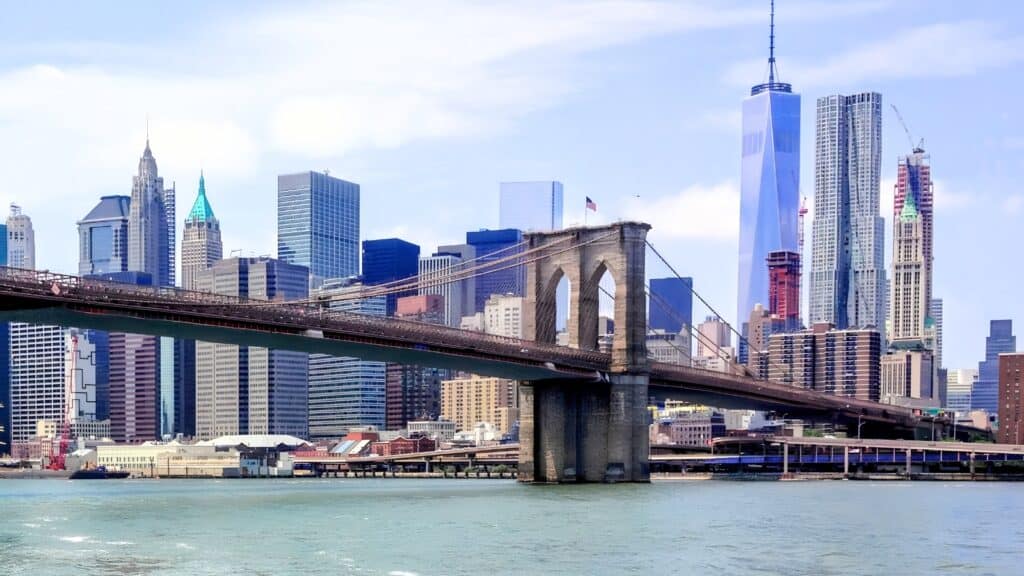
The city that doesn’t sleep has long since made reinvention part of its charm. As more visitors look for ways to reduce the environmental impact of their vacations, New York City shows that sustainability and big city tourism don’t have to be at odds.
Growth of sustainable travel globally
Sustainable travel has moved from a niche interest to a mainstream expectation in recent years, particularly among younger travelers. Business Research Insights values the global sustainable tourism market at more than $3.5 billion in 2026 and projects it to grow nearly 19% annually over the next decade.
Deloitte’s 2026 Travel Industry Outlook report found that 42% of Gen Z travelers and 38% of millennials plan to take sustainability-related actions when planning trips, about double the share of baby boomers. As Gen Z and millennials combined now make up about half of all travelers, according to Deloitte, the desire for sustainability will only grow as these generations become the majority.
New York builds on its natural advantages
New York continues to attract a large number of visitors, both domestically and internationally. TripAdvisor ranks New York City number one among U.S. destinations and number 10 in the world in its 2026 Travelers’ Choice Awards Best of the Best Destinations. The city’s tourism bureau projects 66.3 million visitors in 2026, a 2% increase over 2025. And Skyscanner lists New York as one of its most popular summer vacation destinations for 2026.
Those numbers suggest travelers aren’t choosing between sustainability and visiting their dream destinations. Instead, many look for ways to travel more responsibly once they arrive. For a destination that already relies heavily on walking and public transit, visiting New York can put you a step ahead with your carbon footprint.
The city is building on its already extensive public transportation and pedestrian access. The transit authority is investing more than $1 billion to upgrade its subway cars, according to the industry publication Railway Supply.
New York has been certified at the platinum level by the Walk Friendly Communities program. The High Line’s transformation from an abandoned rail line into a pedestrian park was a massive success, not only popular with locals but also with tourists. City planners are expanding pedestrian access elsewhere, including an ambitious redesign of Fifth Avenue.
While sustainability has long been a priority for city officials, hotels, restaurants and other attractions in New York are also seeing environmentally conscious moves as a good return on investment.
Hotels and restaurants raise the bar
Booking.com’s latest sustainability research found that 36% of travelers plan to stay at accommodations with sustainability certifications during the next year. More than one-third of every age group, from baby boomers to Gen Z, say sustainability certifications influence where they stay. Travelers booked more than 100 million room nights at properties with third-party sustainability certifications through Booking.com in 2025.
Among the hotels embracing those efforts is NH Collection New York Madison Avenue. The Midtown property earned an A rating through the Bioscore sustainability assessment. The independent evaluation measures hotels across key environmental, social and governance areas, including energy use, water management, waste reduction, emissions and social responsibility.
Hotel general manager Carlos Salomon said the rating reflects the hotel’s ongoing commitment to operating more responsibly through initiatives designed to reduce energy and water consumption, minimize waste and support broader sustainability goals across Minor Hotels Europe & Americas.
Guests encounter many of those efforts without sacrificing comfort. Room lights and air conditioning automatically turn off when key cards are removed. Bulk bathroom amenities help reduce single-use plastic waste, while the hotel’s parent company, Minor Hotels, participates in the United Nations Tourism Recipe for Change initiative, which aims to reduce food waste throughout the hospitality industry.
At BLACKBARN in Manhattan’s NoMad neighborhood, the restaurant uses a composting partnership to turn their food waste into mushrooms later served on guests’ plates. Chef and owner John Doherty says sustainability became part of the restaurant’s identity by focusing first on food quality. “Sourcing from local farms was our plan from day one, not for sustainability at first, but for flavor,” Doherty said. “Everything else grew from there.”
Along with reducing food waste, the restaurant uses 100% LED lighting, has eliminated polystyrene foam and serves tap water in repurposed wine bottles. The restaurant has earned Level 1 Green Restaurant certification.
“What surprised me was the business that followed,” Doherty said. “Much of it came from companies required to work with like-minded partners that have sustainability programs in place.”
Doherty said he hopes that environmental responsibility becomes less of a marketing tool and more of a common expectation. “Going forward, what I want most is for the responsible choice to be the everyday standard, not the exception.”
BLACKBARN is not alone. They joined with nearby Certified Green Restaurants to launch New York’s first Green Dining Destination in the Flatiron and NoMad neighborhoods.
A different kind of New York shopping experience
Vintage and secondhand shopping has grown into one of New York City’s fastest-growing visitor experiences, fueled partly by younger travelers interested in reducing waste while discovering neighborhoods beyond the city’s typical tourist sites.
Samantha Davis, owner and founder of the Ultimate NYC Secondhand Shopping Experience, says, “New York City has always been synonymous with fashion, and in the last few years it has also become an epicenter of vintage, secondhand, consignment and thrift stores.” And visitors to the city are interested in participating beyond simply scoring a great bargain.
Davis says her typical client is stylish but conscious of both their consumerism and monetary cost. “Secondhand shopping is a way to grab designer goods at a mere fraction of the price while feeling good about not buying something new.”
Davis said conversations around consumer waste and social media have helped drive demand for secondhand shopping experiences, particularly among Gen Z travelers. “We have especially seen a surge in Gen Z booking the tour with their families,” she said. “Instead of heading downtown for cookie-cutter looks, they wanted to discover the cool secondhand and vintage stores that TikTok influencers were talking about. And our Gen Z guests are perhaps the most environmentally conscious and sensitive to how their behaviors can shape a better world.”
Even the iconic skyline is going green
The popular viewing experience, SUMMIT One Vanderbilt, sits atop One Vanderbilt, one of the city’s newest skyscrapers overlooking Midtown Manhattan. The building earned LEED Gold and Platinum certifications through environmentally conscious design and operations. It captures rainwater to help cool the building, uses high-performance glazing to reduce energy demand and incorporates recycled building materials throughout the structure, among other efforts to limit their carbon footprint.
While One Vanderbilt is showing what is possible with new construction, New York’s historic buildings are also working to improve their sustainability credentials. The Empire State Building underwent a $550 million restoration over the last decade and incorporated sustainability principles into the construction. Efforts included adding adaptive lighting and retrofitting energy-efficient windows to reduce energy consumption, putting it into the top 20% of similar commercial buildings for efficiency.
As travelers increasingly look to reduce the environmental impact of their vacations, New York City is showing that even one of the world’s most popular destinations can evolve without losing what made it iconic in the first place.
Amanda Luhn is a freelance writer who escapes from her never-ending cabin renovation by traveling, whether that is camping in her beloved Smoky Mountains or hopping on a plane to a new country. She writes for her family travel blog, Simply Awesome Trips, and her East Tennessee blog, Knoxville Backyard & Beyond.