
Between work, kids and everything else pulling at your schedule, squeezing in an hour at the gym can feel impossible. That gap between wanting to feel healthier and actually finding time to move is leaving a lot of people stressed and stuck on the couch. A simple walking trick making the rounds online might be the fix nobody expected, and August’s National Wellness Month is a good excuse to try it.
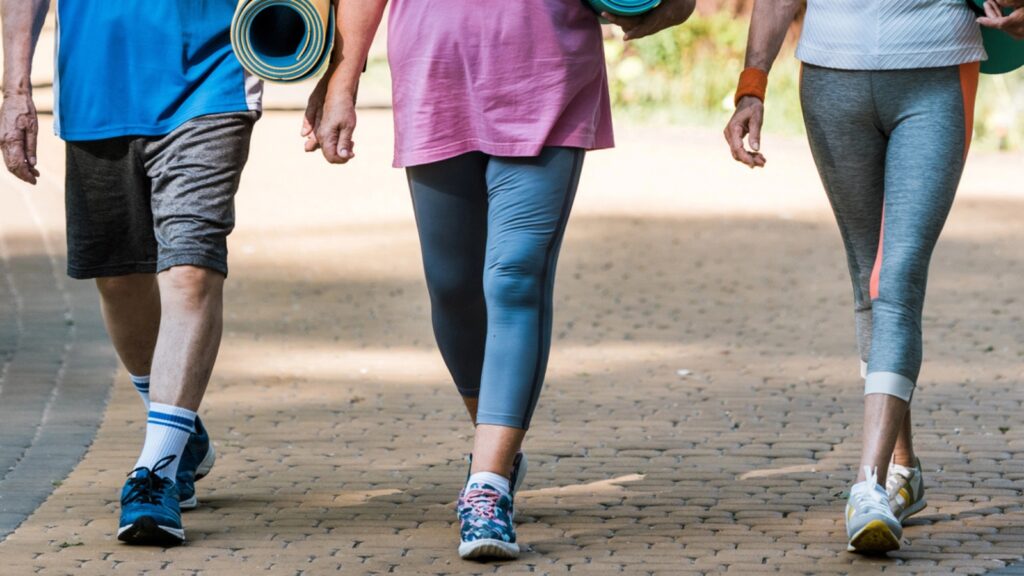
It’s called Japanese walking, and it’s popping up everywhere from group chats to doctors’ offices this summer. The idea started with exercise scientists in Matsumoto, Japan, who have spent almost two decades studying it, long before anyone filmed themselves doing it for social media. What makes it different from your usual walk is the timing.
You speed up, then slow down, then speed up again, switching every few minutes instead of holding one pace the whole time. No gym membership, no equipment, just a sidewalk, a track or a treadmill and a willingness to change gears.
Why So Many People Are Skipping Exercise
The gap between wanting to exercise and actually doing it is real. Recent data found that 27% of American adults report zero days of exercise in a typical week, and people who work out nearly every day report noticeably lower daily stress. That pattern shows up most clearly among women, though it’s not limited to them.
How Japanese Walking Actually Works
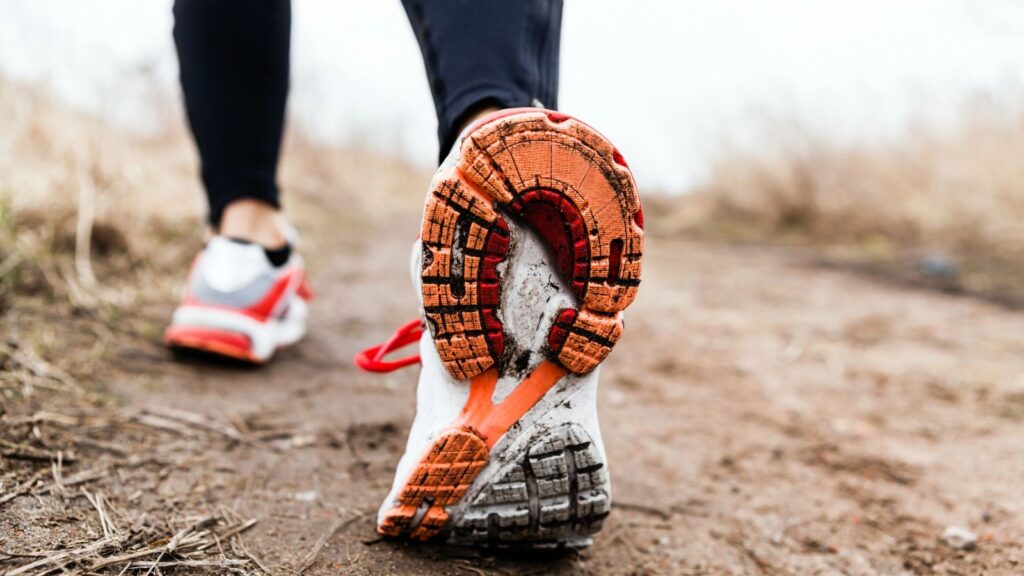
The method comes from exercise scientists at Shinshu University Graduate School of Medicine in Japan. It’s simple. Walk briskly for three minutes, then slow down for three minutes, and repeat for about 30 minutes total.
A five-month study followed 679 middle-aged and older adults and found their peak aerobic capacity climbed by 14%, while a score measuring several disease risk factors improved by 17%. The gains leveled off once fast-walking time passed about 50 minutes a week, so more isn’t necessarily better. Steady, one-speed walking over the same stretch of time didn’t come close to the same results.
Why Doctors Are on Board
Doctors interviewed in widely read coverage this year say the pace switching pushes your heart harder than an easy stroll, without beating up your joints the way running can. The faster bursts may also keep your body burning a few extra calories after you’ve stopped walking, an effect linked to interval-style workouts in general.
There’s a blood sugar upside, too. Muscles working harder during the fast stretches soak up more glucose, which doctors say could matter most for older adults keeping an eye on their blood sugar.
Give It a Try
Japanese walking isn’t about replacing the gym. It’s about giving people a routine simple enough to survive a busy week, a rough patch or a stretch of days where nothing else fits.
Lace up, find a stretch of sidewalk and give the switch-up a try. Thirty minutes, a few times a week, might be all it takes to feel the difference.
Jennifer Allen is a retired professional chef and long-time writer. Her work appears in dozens of publications, including MSN, Yahoo, The Washington Post and The Seattle Times. These days, she’s busy in the kitchen developing recipes and traveling the world, and you can find all her best creations at Cook What You Love.