
Fifty extra miles down a dark highway can feel like a gamble late at night. This month, it’s the whole plan. The Perseid meteor shower peaks the mornings of Aug. 12 and 13, and this year a new moon means the sky will be as dark as it gets. For road trippers willing to chase real darkness, the timing could not line up better.
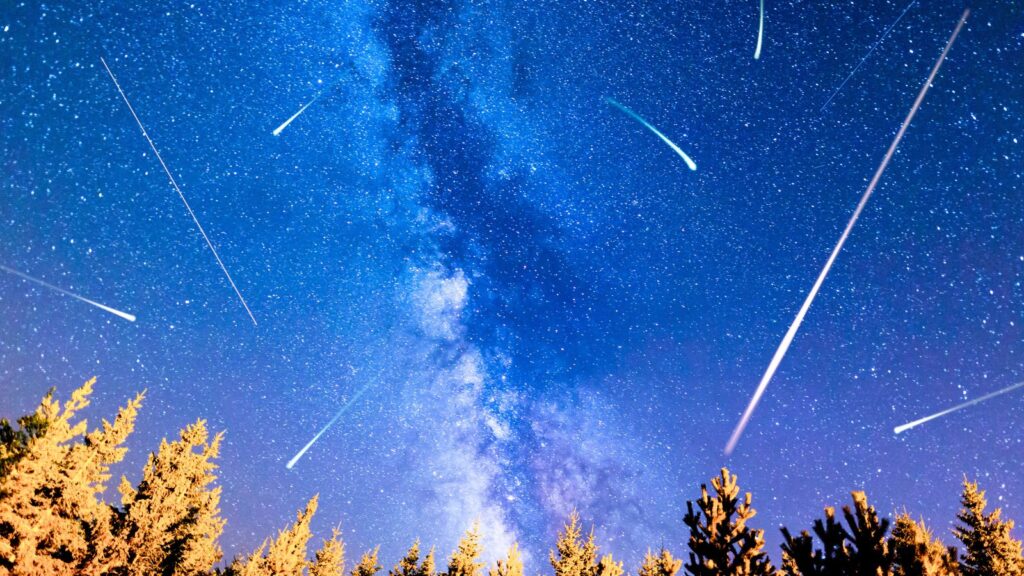
Most Americans live somewhere the sky never gets fully dark. Streetlights, parking lots and neighborhood glow wash out everything but the brightest stars. That’s why more travelers are building road trips around finding real darkness on purpose. A meteor shower turns that impulse into a plan with a deadline. Instead of hoping for a good night from the backyard, you can point the car toward a specific patch of sky and know the show starts on time.
A Moonless Sky Makes This Year Different
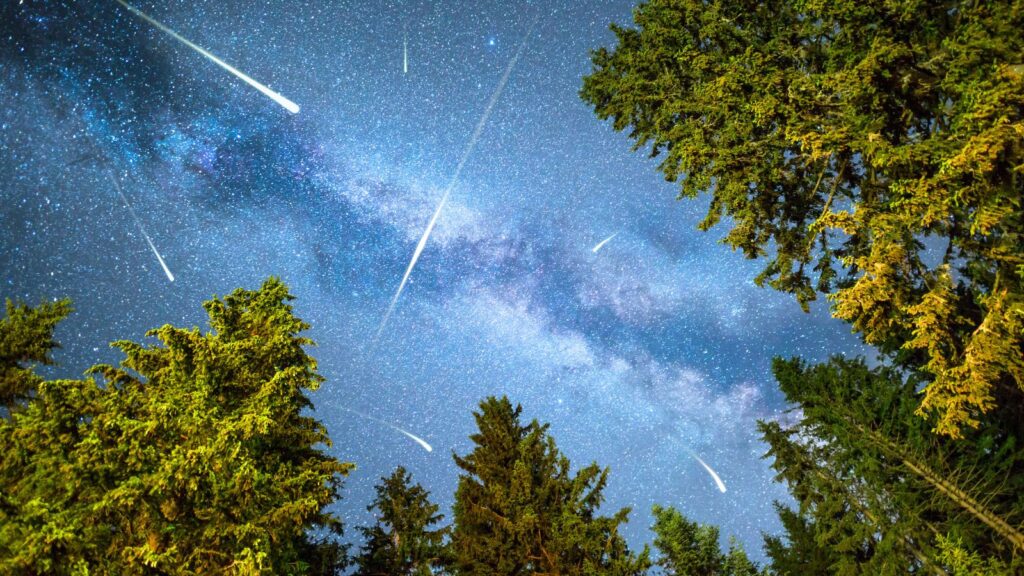
The shower’s peak lines up with a new moon this year, so there’s no moonlight washing out the fainter meteors. Under those conditions, skywatchers can expect 90 meteors an hour or more. That kind of night is worth planning a trip around, and several destinations are freshly built for exactly that.
Badlands National Park Joins the Dark Sky Map
South Dakota’s Badlands National Park earned an International Dark Sky Park designation on July 17, the first site in the state to receive it. The timing works out well for road trippers cutting through the northern Plains, since it lands less than a month before the Perseids peak.
Sun Valley Resort Earns a First for the U.S.
In July, Sun Valley Resort in Idaho became the first resort in the country certified through a national dark sky lodging program. Guests can head to Galena Summit, about 30 miles north, or stay closer to Bald Mountain and Trail Creek, both recommended spots on the property.
Bar Harbor and Broken Bow Round Out the Map
On the East Coast, Bar Harbor, Maine ties for seventh among affordable U.S. stargazing spots, prized for its mix of ocean views and quick access to Acadia National Park’s dark skies. Search interest in the town is up 28% year over year.
Farther south, Broken Bow, Oklahoma ranks ninth on the list, with search interest up 91%. The town sits inside Ouachita National Forest, remote enough to keep its skies dark. Page, Arizona posted the steepest growth of any destination on the list, up 169%, a sign of how many people are now planning trips around dark skies.
Check the Map Before the Next Tank of Gas
Dark sky certifications keep landing all over the map, and several U.S. sites have been added just since May. If a road trip is already on the calendar this month, you might want to check that map before picking a route. The Perseids only peak once a year, but the search for real darkness is turning into a habit.