
Smart glasses that look just like ordinary eyewear are being used to secretly film women in everyday places, according to a new study from the University of Sydney. Researchers say most people being filmed have no way of knowing it’s happening.
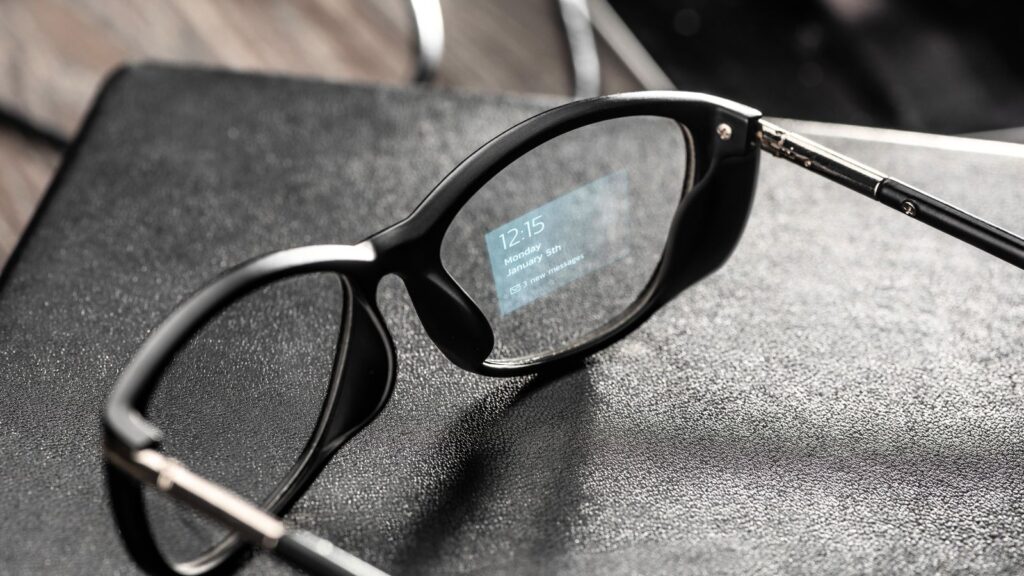
Researchers are calling this pattern “ambient capture,” according to the study. That’s when someone uses smart glasses to secretly film people in places like gyms, workplaces, retail settings and campuses, then shares the footage online, the research team said.
Some men do this within pickup artist communities, according to research. They compete to get a stranger’s phone number or Instagram handle on camera, then share it online for engagement and social proof, the study found.
The Numbers Behind the Trend
The research draws on analysis of 350 publicly available Instagram videos posted between 2023 and 2026, according to the Governing Immersive Tech team at the University of Sydney. The study found growing use of discreet, point-of-view recording that’s difficult for bystanders to detect.
Within a subset of these covert point-of-view videos, researchers classified around 60% of interactions as potential harassment, according to the findings. Many women showed discomfort or tried to refuse, the study found, yet filming and interaction often continued anyway.
Why Women Can’t Just Block These Guys
Getting a phone number is easy to block. A handle isn’t, according to Dr. Milica Stilinovic, a postdoctoral researcher on the project.
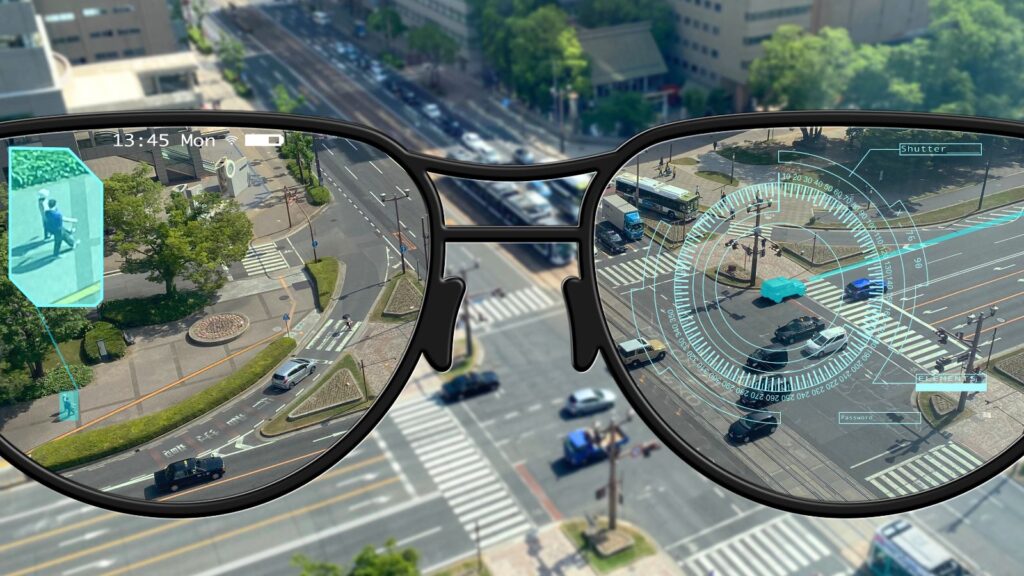
Dr. Stilinovic said pickup artists are often told to ask for a handle instead of a number because it seems less pushy, a tactic she attributed to manosphere figure Andrew Tate. Unlike a phone number, she said, a handle is global, and can lead strangers straight to someone’s identity and location.
“You’ve basically handed your GPS tracker to the world,” Dr. Stilinovic said.
The Harassment Doesn’t Stop When the Filming Does
According to the study, women in 43% of the videos analyzed faced further exposure to derogatory commentary online. Some were identified and doxxed, the researchers found.
Dr. Stilinovic said this kind of filming happens in places many people consider private, including workplaces, apartment stairwells, streets, gyms and beaches.
“You don’t know if you’re being filmed,” she said. “That footage is then uploaded, exposing you to a wider web of harassment.”
The Law Hasn’t Caught Up Yet
According to the researchers, current laws and platform moderation systems aren’t built to catch this kind of harm. Most systems are designed to flag visible violations, like explicit harassment, nudity or threats, the study noted.
Chanel Contos, founder of Teach Us Consent, said regulation hasn’t kept pace with the technology. The research originates in Australia, where smart glasses are already available for under $100, according to the release.
“At best, smart glasses normalise filming and sharing people without their consent, feeding algorithms designed to reward voyeuristic, rage-baiting content,” Contos said. “At worst, they are used as a tool for the sexual exploitation of children, women and other vulnerable groups.”
According to the research team, they’re calling for clearer consent standards, stronger platform accountability and new design requirements for wearable devices, so people know when recording is taking place.