
M&M’s spent months digging through its own candy history and came back with a caramel flavor turned into something nobody had tried before. Lay’s took a different road to the same idea, bringing back a fan favorite chip flavor only after years of people asking for it. Neither move was a shot in the dark. Both companies were chasing a feeling, and now there is actual research showing why that feeling works so well.
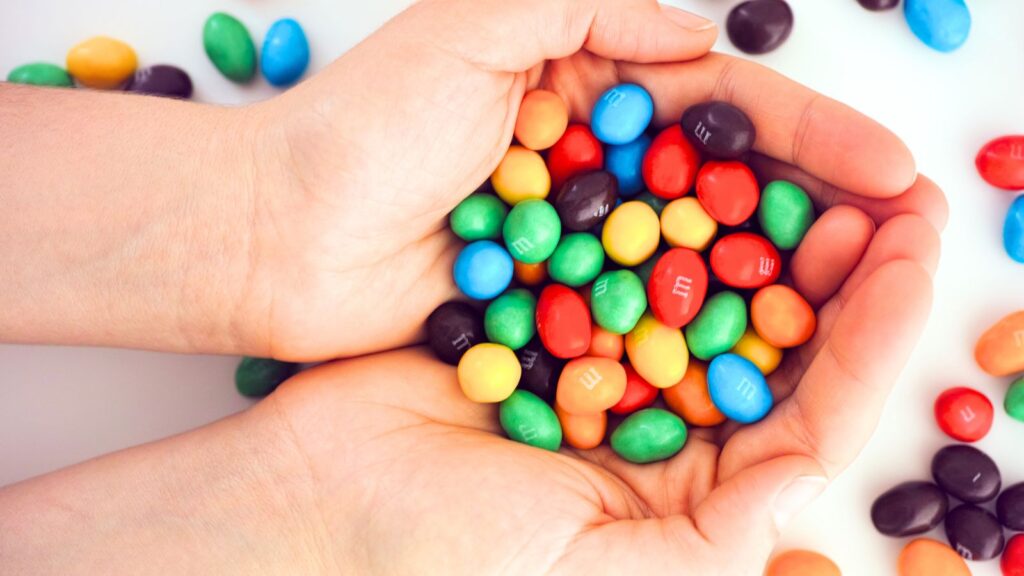
Two separate research groups reached the same conclusion this year, and neither one knew the other existed. That kind of agreement rarely shows up in food industry data, where reports often just repeat the same points already floating around. When two unrelated teams land on the same finding without comparing notes, it usually means something real is happening, not a marketing line repeated until it sounds true. Food and drink companies noticed too, and now they’re building new products around that feeling on purpose.
Comfort Is Now Something Companies Can Measure
More than half of people worldwide say their mood decides what they crave, according to new food trend research. In the U.S., comforting is the single word every generation reaches for to describe why they snack. Vanilla and milk chocolate keep showing up as the flavors tied most closely to comfort, and childhood cookies and biscuits carry most of the nostalgia weight. More than half of American shoppers who buy salty snacks actively look for nostalgic packaging or marketing.
Old Favorites, Rebuilt from Scratch
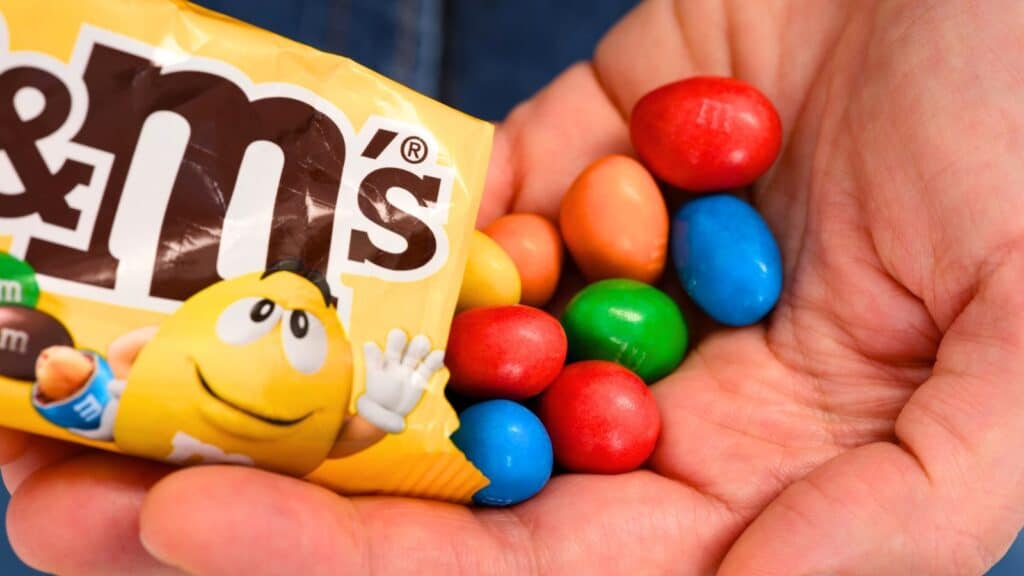
M&M’s took its well-loved caramel flavor and turned it into something brand new, a freeze-dried candy that reached shelves nationwide in January. Lay’s took a slower path with its Bacon Grilled Cheese chip. The flavor won a fan contest years earlier, disappeared, and only returned this January after enough people kept asking for it back. Both moves follow the same pattern, picking out the one detail people actually remember and rebuilding a new product around it instead of bringing back the whole original item.
A Memory Becomes a Brand New Product
Poppi took the idea a step further with its January release of a canned Shirley Temple flavor. Ordering a Shirley Temple used to mean asking for one at a restaurant counter, not grabbing a can off a shelf. Poppi turned a specific memory into a canned product instead of reviving something that already existed in stores. That distinction matters because it shows comfort branding does not only mean bringing back discontinued items. It can also mean building an entirely new category out of something people only remember doing, not something they remember buying.
So the next time a nostalgic snack catches your eye, know it was not an accident. Somewhere, a food company studied exactly why you love it and built something around that feeling on purpose. The next childhood favorite that turns up back on shelves probably was not a guess either.