
Grab a six-pack labeled Oktoberfest at the grocery store this month and you’ll get toasty malt, caramel sweetness and a color that feels like fall showed up early. It also has almost nothing to do with what Munich actually pours at its own festival anymore.
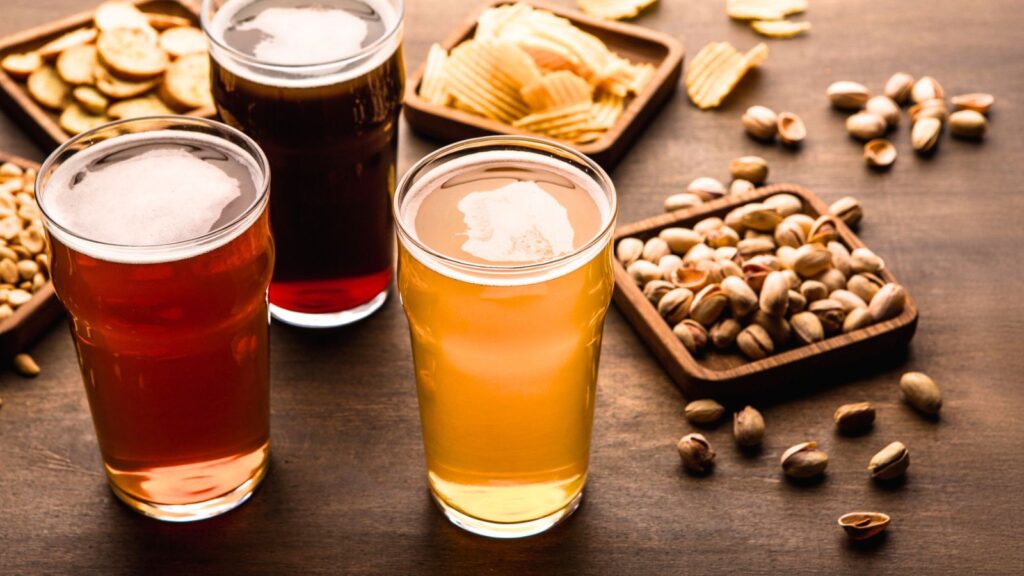
The mismatch isn’t any one brewery cutting corners, since Munich changed what it serves decades ago and American shelves never caught up. Grocery stores just keep restocking the same amber recipe every August, the same six-pack shoppers’ parents grabbed without a second thought.
Munich Swapped Recipes and Nobody Told Your Grocery Store
Paulaner started walking away from the classic Marzen back in the 1970s, betting festival-goers wanted something lighter to get through 16 days of multi-liter steins. Other Munich breweries followed over the next two decades, and by 1990, Marzen was gone from the festival for good, with the paler, pilsner-heavy Festbier taking its place. Even the rulebook brewers use for competitions caught up in 2015, when Oktoberfest officially became Festbier in the guidelines, closing the gap between what Munich pours today and what most American shelves still call Oktoberfest.
3 Breweries, Zero Coordination, Same Late July Week
Three well-known beer brands proved this year just how early that timing has become, and none of them planned it together. Great Lakes Brewing rolled out its fall lineup on July 28, sending Oktoberfest across its roughly 19-state footprint in cans, bottles and draft.
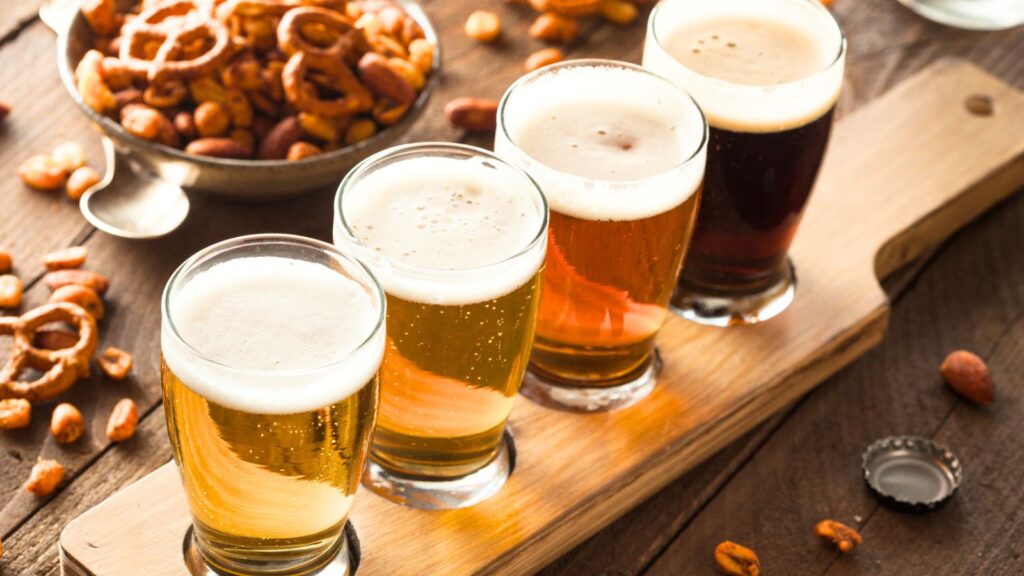
One day later, Boston Beer Company shipped its Samuel Adams Octoberfest nationwide, a Marzen the brand has brewed for more than 30 years. Sierra Nevada went a different route, teaming up with North German brewer Störtebeker for a true Festbier that also landed on shelves coast to coast.
Munich Isn’t in a Hurry to Catch Up
The mayor of Munich still taps the first keg by hand every September, the same way it has happened for generations. Nothing about July shelf space changes when that hammer falls. Munich’s actual festival doesn’t open its gates until Sept. 19, and the party is in no rush to match America’s retail calendar.
So next time a six-pack claims to be Oktoberfest beer, take a second look at the label before tossing it in the cart. If you want the pour that’s closer to what Munich actually drinks, hunt for something labeled Festbier instead. Or just grab one of each, invite some friends over, and let your own taste buds settle the debate.