
Japan is one of the world’s hottest travel destinations, drawing record numbers of international visitors to its ancient temples, neon-lit cities and iconic landscapes. First-time visitors often build itineraries around Tokyo’s bright cityscape, Kyoto’s historic temples and a glimpse of Mount Fuji. These hotspots remain popular for good reason, but they represent only a small part of what the country has to offer.
Japan welcomed a record 42.7 million international visitors last year, according to the Japan National Tourism Organization. As international travel continues to grow, more travelers look past the country’s best-known cities, drawn by regional food cultures, local traditions, rural towns and experiences that lie outside the traditional tourist circuit.
The growing interest is more than a desire to escape the crowds; it also opens the door to a broader view of Japan, where lesser-known regions offer a slower pace. A more thoughtful itinerary can reveal a side of the country that tourists previously missed while creating a more balanced experience for both visitors and residents.
Overcrowding the hotspots has caused Japan a problem
Japan’s tourism boom continues to draw visitors from around the world. In May this year alone, 3.56 million foreign visitors arrived in Japan. The biggest strain falls on a handful of destinations that attract visitors for the same iconic sights, often during the same peak travel periods. Kyoto, Mount Fuji and popular spots around Tokyo have all faced growing pressure as visitor numbers rise.
Fujiyoshida, a city near Mount Fuji, offers a recent example: the town has struggled with a surge of visitors drawn to the iconic mountain views, and local officials cite congestion, litter and other problems linked to the influx. In February, the city canceled its annual cherry blossom festival at Arakurayama Sengen Park, a popular Mount Fuji viewpoint, due to concerns about overcrowding and visitor behavior.
In response, the national government now supports local projects that focus on spreading visitor demand, managing crowds through reservations and real-time congestion information, improving transportation and addressing litter and other nuisance behavior. Meanwhile, Kyoto continues to pursue measures that balance tourism with residents’ daily lives, which include efforts to disperse visitors and encourage more considerate behavior.
Rethink the classic Japan itinerary
For years, the classic Golden Route influenced how many first-time visitors experienced Japan. It links Tokyo, Kyoto and Osaka, often with stops at Mount Fuji, Nara or Hiroshima. This itinerary remains one of the country’s most popular ways to see its biggest landmarks.
However, more travelers now realize that the journey does not have to end there. Japan’s tourism story is beginning to extend beyond Tokyo and Kyoto. As visitor numbers reach record highs, Japan’s tourism strategy increasingly focuses on encouraging travel to regional destinations. Local governments invest in food tourism, outdoor recreation and cultural experiences that spread visitors more evenly across the country.
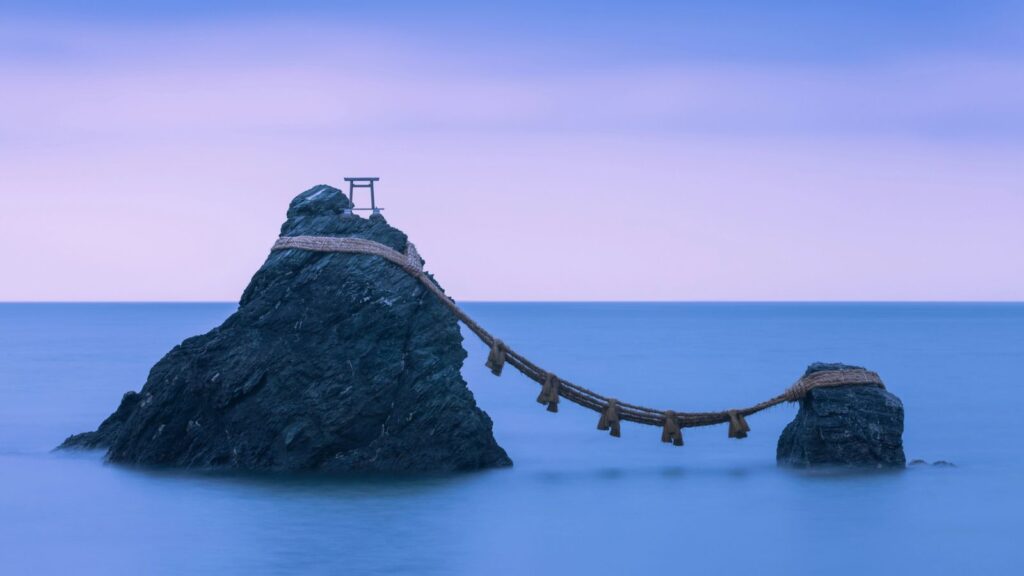
Traveling through Japan’s eight regions highlights destinations where visitors can explore volcanic coastlines, alpine villages, remote islands and historic castle towns that rarely appear on first-time itineraries. For example, an itinerary that centers on Far East Hokkaido showcases the region’s dramatic landscapes and local food, which offer a completely different experience from the usual. If you’re a photographer, the iconic Meoto Iwa at Futami Okitama Shrine is another that most travelers miss.
The broader approach also leads to a more personal experience. Instead of treating Japan as a checklist of famous landmarks, travelers can choose a region based on their interests, whether that means food, nature, history or outdoor adventure.
Travel Japan with more intention
If touring Japan’s most famous attractions is a must, visit during off-peak hours, on weekdays or in shoulder seasons. Arrive at popular attractions early, or keep your plans flexible so you can easily change course when a destination gets busy. This method lets you enjoy popular sights without adding to the crowds at their busiest.
Respect also matters, as Japan’s most photographed places sit within communities where people live and work, so travelers should keep noise low on public transportation, follow photography rules, respect private property and learn local customs. Awareness of what visitors get wrong about traveling in Japan helps new travelers avoid cultural missteps and show greater consideration for the people who call these places home.
Food offers another reason to look beyond the country’s busiest sightseeing routes. Offerings vary per region, so a trip built around local specialties can naturally lead travelers toward smaller cities, markets and restaurants. Instead of chasing the same viral food trend that appears across social media, eat locally to help spread tourism spending while creating a more meaningful connection to each destination.
Experience Japan beyond the crowds
Japan’s best-known cities will always deserve a place on many itineraries, but they tell only part of the country’s story. Choosing a lesser-known region over a repeat trip to Kyoto or Tokyo not only helps ease pressure on the country’s busiest destinations, but also creates richer, more memorable experiences that extend far beyond the familiar postcard views.
Will is the content creator behind Going Awesome Places, an award-winning travel brand that focuses on outdoor adventure and experiential travel through his website, YouTube channel and social media. Best known for his detailed itineraries and travel guides, his content has been trusted by travelers for over 15 years.