
Food waste is easier to understand when you look at the groceries sitting in your own kitchen. In a March 2023 OnePoll survey of 2,000 U.S. adults commissioned by HelloFresh, respondents named the foods they had the hardest time using up. The list is full of everyday staples, from lettuce and bananas to bread and eggs. A few simple habits can help you give those groceries a better chance of being eaten.
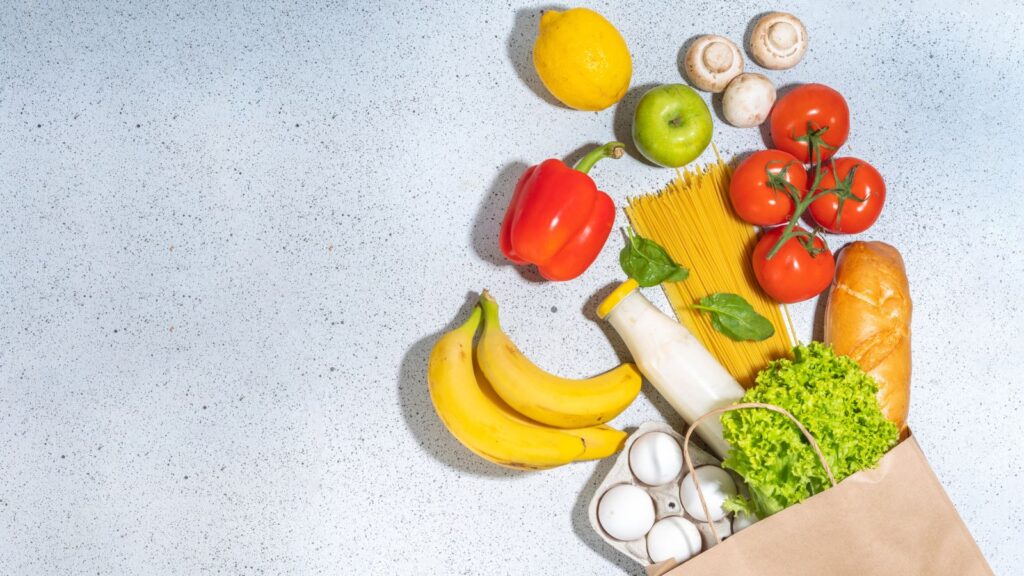
Lettuce Goes First
Lettuce topped the survey at 27%. If you buy a large head or bag for several salads, one change in your meal plan can leave plenty behind. Buying closer to the amount you expect to eat can make it easier to finish before it loses its appeal.
Bananas Ripen Fast
Bananas came next at 23%. A bunch can go from green to ripe to very soft within a short span. If you will not finish them fresh, peel and freeze ripe bananas for later use in smoothies or baking.
Milk
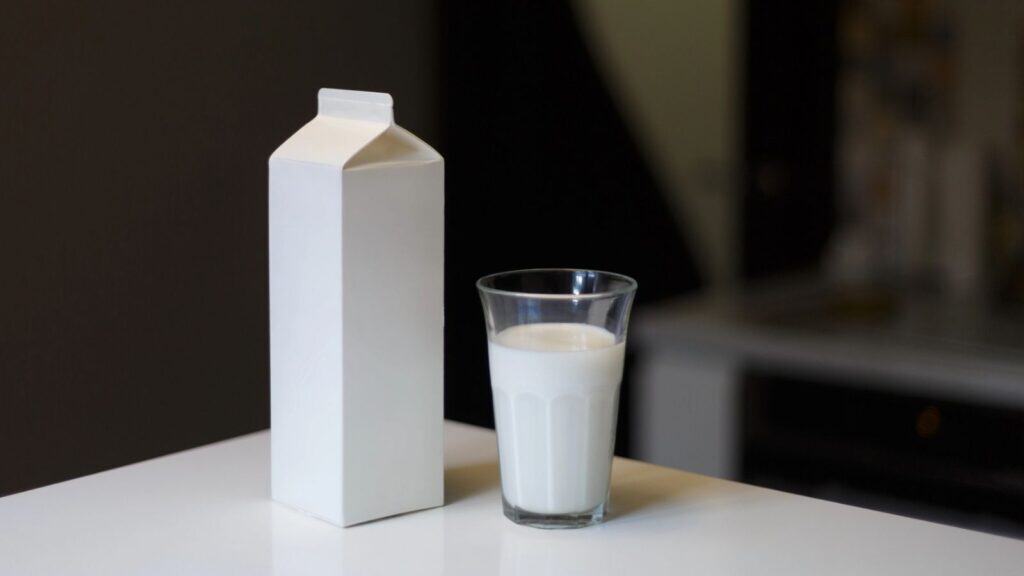
Milk was named by 21% of respondents. ReFED’s 2026 report found that household food waste fell by about 950,000 tons in 2024, with everyday foods such as milk among the categories showing reductions. The report also cites a separate January 2026 consumer survey that found many shoppers were checking what they had before buying more and paying closer attention to food that needed to be used soon.
Apples
Apples also came in at 21%. Fruit can be easy to overlook when it is tucked into a produce drawer. A quick refrigerator check before you shop can help you spot older apples and use them before bringing home more.
Bread
Bread was another 21% item. A whole loaf can be more than a small household will use in a few days. Freezing part of it early gives you more time and lets you take out only what you need.
Avocados
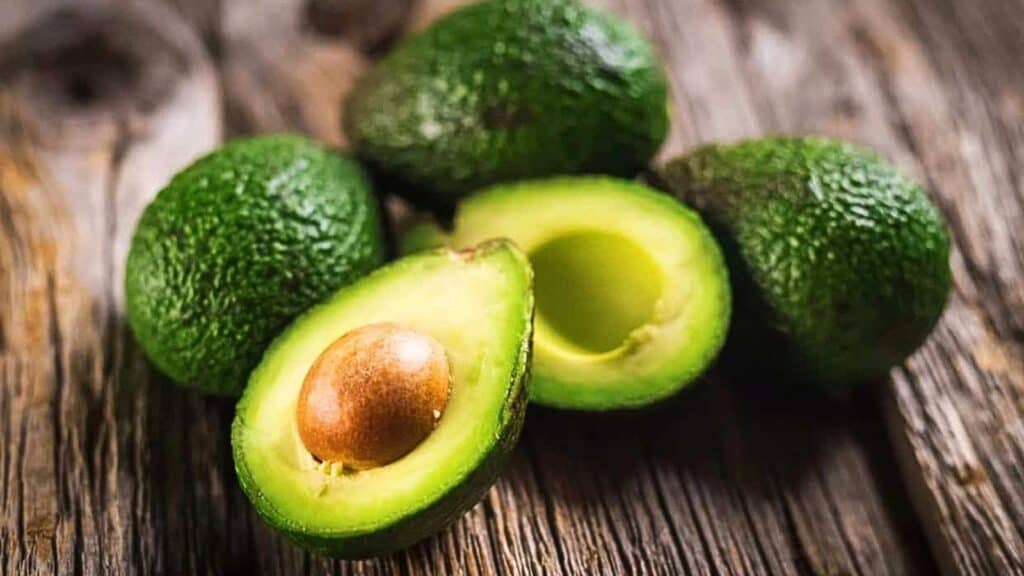
Avocados were cited by 17% of respondents. Several can soften at almost the same time, which is not always convenient. Buying a mix of firmer and riper avocados can spread out when they are ready to eat.
Deli items
Deli foods came in at 16%. The survey category included deli meat, cheese, and prepared foods. Ordering with a few specific lunches or meals in mind can make it easier to buy an amount you are likely to finish.
Eggs
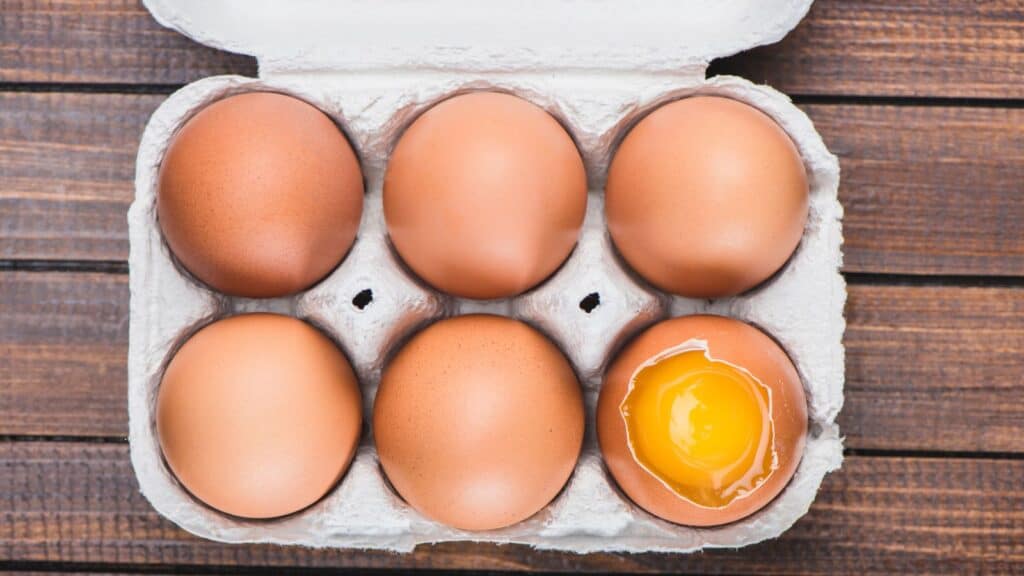
Eggs were also named by 16% of respondents. Package dates can make this category confusing. USDA says that, except for infant formula, food date labels are generally about quality rather than safety and are not required by federal law. Proper storage still matters, and food showing signs of spoilage should not be used.
Meat
Meat rounded out the top nine at 15%. Raw meat also has a shorter refrigerator window than many pantry staples. FoodSafety.gov lists raw ground meat at one to two days in the refrigerator and fresh beef, veal, lamb and pork steaks, chops and roasts at three to five days. Freezing it sooner can give you much more time to use it.
The Bottom Line
The foods Americans reported struggling to use up were not unusual purchases. They were everyday groceries bought with good intentions. Checking what you already have, buying realistic amounts, and freezing food before it becomes an afterthought can make those staples easier to finish.