
The difference between U.S. and EU food rules is not as simple as one side allowing something the other bans. The European Union often regulates an additive or production practice rather than outlawing the food itself. These nine examples show where the rules differ, from bread improvers to animal drugs and poultry treatments.

Chewing Gum With Titanium Dioxide
Titanium dioxide can still be used as a color additive in U.S. foods under FDA rules, subject to limits. The EU has removed E171 from its authorized food uses. The EU’s food-additives database is based on the current Union list of approved food additives.
Baked Goods Made With Potassium Bromate
Potassium bromate is still recognized as a dough strengthener and flour-treating agent in the FDA’s food-substance inventory. The EU food-additive system authorizes only substances on its approved list. Potassium bromate does not appear on the current EU list.

Bread Made With Azodicarbonamide
U.S. regulations allow azodicarbonamide, or ADA, as a bleaching ingredient in cereal flour and as a dough conditioner in bread baking at up to 45 parts per million. ADA does not appear on the EU’s current approved food-additive list.
Flour Treated With Potassium Iodate
The FDA lists potassium iodate as a dough strengthener and flour-treating agent in the U.S. food supply. Potassium iodate also does not appear on the current EU list for food-additive use.
Foods Preserved With Propylparaben
Propylparaben is permitted in U.S. foods as an antimicrobial agent. Current federal rules set a maximum level of 0.1% under good manufacturing practice, according to the eCFR. The EU withdrew propylparaben, formerly E216, from its permitted food additives through 2006 legislation.
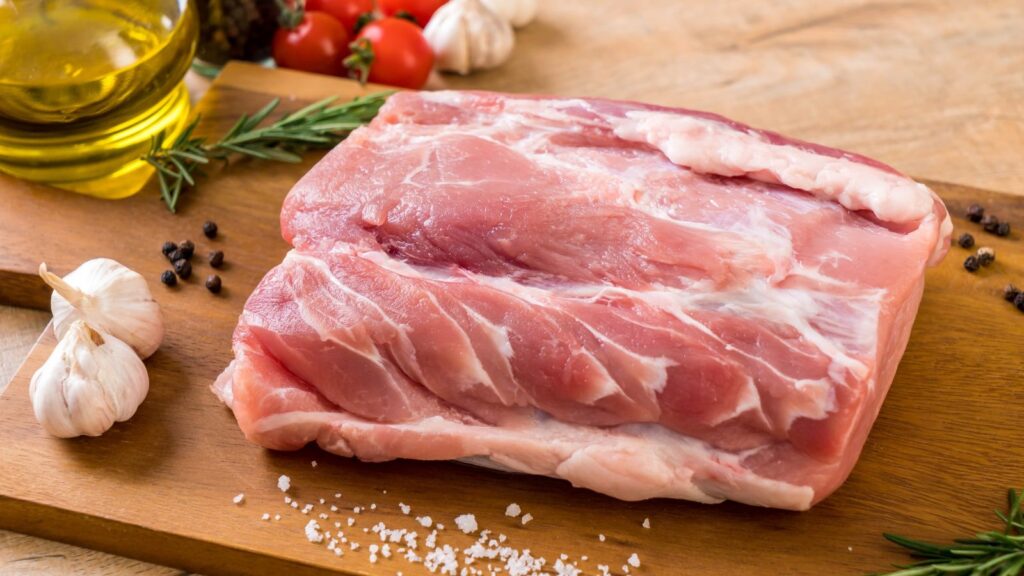
Pork From Ractopamine-fed Pigs
Ractopamine is still approved for finishing swine in the United States. Current FDA labeling covers its use for increased weight gain, improved feed efficiency, and increased carcass leanness. EU rules prohibit beta-agonists for growth promotion in farm animals, with limited exceptions for other uses. The European Commission explains the broader hormone rules.
Beef From Hormone-implanted Cattle
The FDA permits several steroid hormone implants for beef cattle to increase growth rate and feed efficiency. EU rules prohibit substances with hormonal action for growth promotion in farm animals. The restriction also applies to imports, according to the European Commission. This is a production-rule difference, not a blanket EU ban on beef.
Milk From rBST-treated Cows
Recombinant bovine somatotropin, or rBST, is an FDA-approved drug for increasing milk production in dairy cows. EU rules prohibit placing bovine somatotropin on the market for administration to dairy cows. Its U.S. use is now uncommon. USDA data show that farms using bST accounted for 2% of U.S. milk sales in 2021.
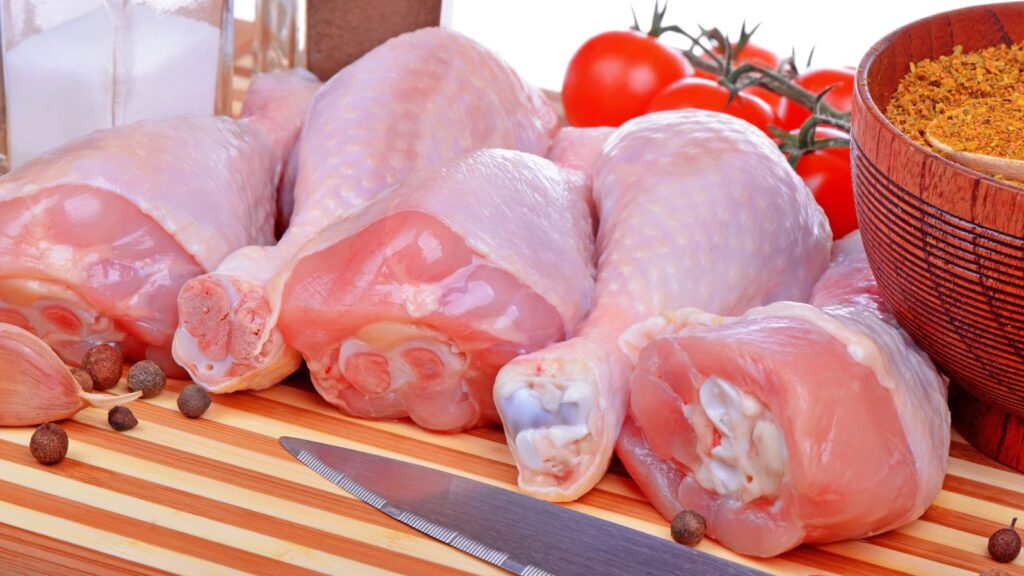
Chicken Treated With Antimicrobial Rinses
U.S. poultry processors may use approved antimicrobial treatments in process water. One current FDA notification permits a peroxyacetic-acid mixture for spraying, washing, rinsing, or dipping poultry under specified conditions. The European Commission maintains a separate decontamination database for substances other than potable water that are authorized to remove surface contamination from animal products.
The Bottom Line
These differences do not show that one food system is automatically safe and the other is not. They show that U.S. and EU regulators sometimes make different calls about additives, animal drugs, and processing treatments. Ingredient lists can help you spot some additives, while farming and processing methods are less obvious from the package.