
Fall mocktails keep coming out flat, and it’s almost never the spices. The cinnamon is fine. The ginger is fine. The problem is what’s underneath them. Most people grab whichever apple drink is closer on the shelf without realizing the two options do completely different things once they hit a shaker.
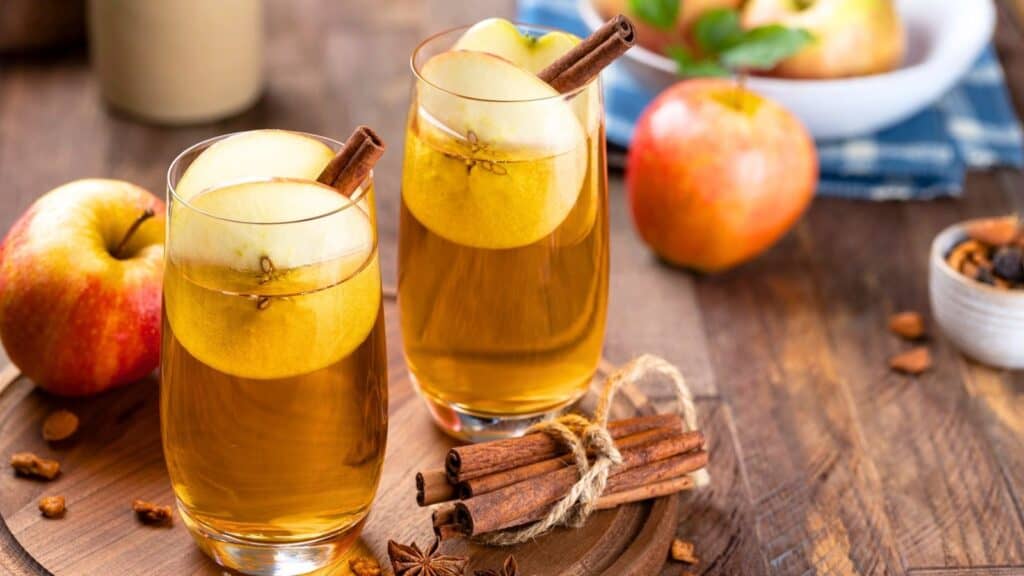
Spirit-free drinks have had a real moment. Ready-to-drink spirit-free cocktails have grown 404%, and the crowd interested in lower-alcohol options keeps getting bigger. But most of that momentum built around summer formats: citrus spritzes, sparkling highballs, aperitivo-style builds. Those work because acidity and carbonation carry the drink. Fall flavors don’t have that. Warm spice, orchard fruit and caramel depth need a base with actual weight behind them.
Why Fall Is the Hardest Season to Build a Mocktail
Summer drinks can get away with simple builds. Squeeze a lime, add soda, done. Fall is different. Cinnamon, clove and fresh ginger need something underneath them with enough body to push back. Without it, the drink reads thin and sweet, which is exactly the problem most fall mocktails have.
Low-alcohol drinks hit 63% awareness and 51% interest among surveyed adults, up from 58% and 46% the year before. The audience is growing. The drinks aren’t always keeping up.
What Cider Does That Juice Can’t
Apple cider and apple juice start as the same fruit. What happens after pressing is what matters. Cider sold unfiltered and cloudy has a fuller body and a rougher, more complex apple character than clear juice. Some varieties, particularly tart or heirloom apples, also bring mild tannic notes that push back against sweetness. That drying quality adds structure to a mocktail in a way that mirrors what a bitter ingredient does in a traditional cocktail.
Juice delivers a cleaner, sweeter apple flavor. Great for what it is. For a fall mocktail built around warm spice, it’s working against you.
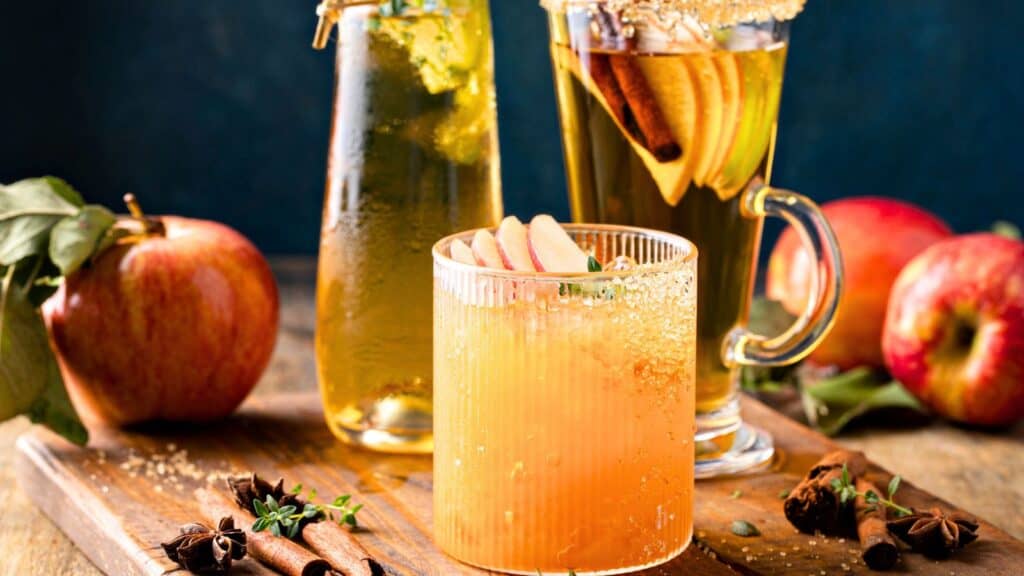
Cider does have a shorter window. Keep it refrigerated and use it within the date on the label. That makes it a better fit for a dinner party than for drinks that need to hold all week.
When Apple Juice Is Actually the Right Call
Apple juice earns its place when apple is a supporting player, not the point. A sparkling cranberry-apple punch, a ginger-apple spritzer, a mulled mixer for a crowd. These builds want apple in the background, and juice’s mild, neutral character makes it easy to work around.
For large-format entertaining, shelf-stable juice also stores more predictably than fresh cider. A Thanksgiving punch bowl that needs to taste the same at 2 p.m. and 7 p.m. is a juice job.
Cider Is Already on the Fall Flavor Radar
Apple cider appears in industry flavor forecasts as a key fall 2026 ingredient, part of a broader flavor wave alongside chai, pecan and maple. Nearly half of consumers say they plan to cut back on alcohol, with Gen Z leading that trend. Seasonal product launches grew 9% annually over five years, with three-fourths of seasonal releases hitting shelves in fall and winter. The options are expanding. The base ingredient is what determines whether they deliver.
Fresh cider has been at every orchard farmstand since the first cool morning of September. It just needs to make it into the shaker.