
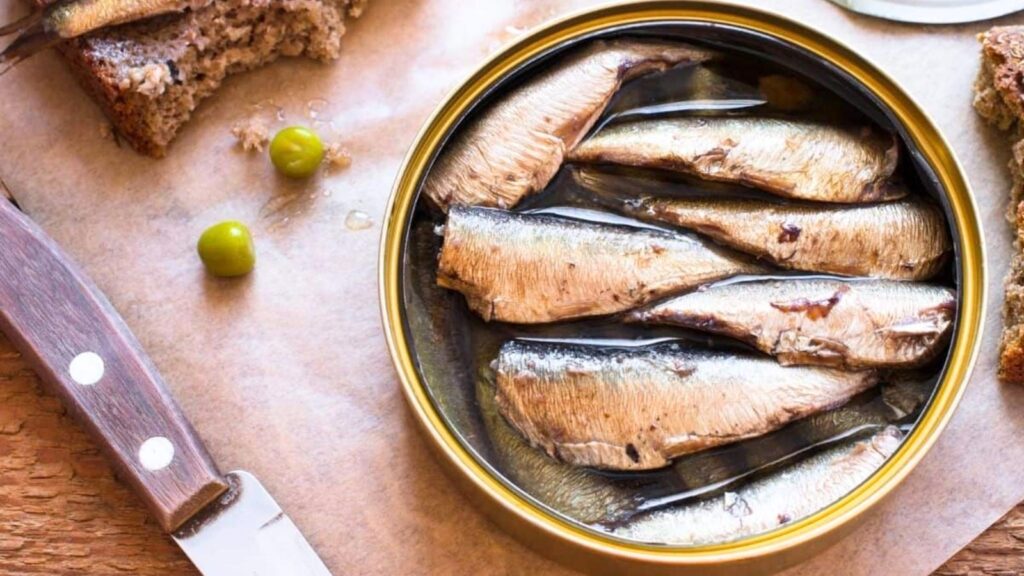
A shelf-stable can of sardines can sit in the pantry years longer than a bag of jerky, and it needs nothing more than a can opener already tucked in the bag. That shelf-life advantage is exactly the kind of detail worth knowing before an emergency leaves only minutes to grab what’s on hand. It’s easy to overlook until it’s the only thing that still makes sense to eat.
Wildfires, flash floods and grid failures can push people out of their homes across the country, not just along hurricane-prone coastlines, often with almost no warning. September is National Preparedness Month, the federal government’s annual effort to get households thinking through exactly this kind of scenario before it happens. What actually matters is packing shelf-stable food that needs little or no preparation and travels well without refrigeration.
This hurricane season is forecast to be quieter than usual
NOAA’s latest outlook puts the odds at 75% for a below-normal Atlantic season, against 20% for near normal and just 5% for an active season. The updated forecast calls for seven to 13 named storms, with two to six becoming hurricanes and zero to two reaching Category 3 or higher, the threshold NOAA uses for a major hurricane. A below-normal forecast is not a guarantee of a quiet year, and it only takes one landfall in the wrong place to turn a calm season into a personal emergency.
The nutrition numbers are hard to beat
A 3-ounce serving of canned sardines packs about 18 grams of protein into roughly 157 calories, along with 204 milligrams of calcium, 2 milligrams of iron and 290 milligrams of potassium. There’s no stove involved, just a manual can opener, already one of the standard items on most emergency kit checklists.
The shelf-life math favors sardines
A shelf-stable can of sardines can outlast jerky by years, not just months. Canned goods in this category are rated for two to five years of room-temperature storage, as long as the can itself is labeled shelf-stable and not one of the seafood products marked “Keep Refrigerated.” Commercially packaged jerky, by comparison, is generally rated for about 12 months.
Military food researchers developing the next generation of field rations have already run into a version of this problem: shelf-stable snacks need to hold up over long storage periods without degrading, and jerky’s tendency to darken and turn unappealing over time is one challenge researchers have flagged. A multi-year shelf life is a real head start, whatever else ends up in the bag.
Storage still matters, even for a shelf-stable can
USDA’s food safety guidance is clear that temperatures above 100 degrees are harmful to canned goods, with storage below 85 degrees best for maintaining shelf life. A hot glovebox or a trunk baking in July sun isn’t the ideal home for anything in the kit, canned or otherwise. The smarter approach is packing food that travels well and needs little preparation, then moving it out of extreme heat as soon as there’s a chance.
The government’s own guidance backs this up
Ready.gov’s emergency food guidance recommends ready-to-eat canned meats alongside protein bars, peanut butter and dry cereal, and it lists a manual can opener as one of the basic supplies to pack alongside them. The same guidance notes that commercially canned food can be eaten straight from the can without heating it, one less step when there’s no time or equipment to cook. A refrigerator keeps food safely cold for only about four hours after a power outage, which gives shelf-stable foods an advantage when an emergency cuts electricity.
A go-bag built around this kind of math looks different from one built around convenience alone. A multi-year shelf life is a real advantage once an evacuation order comes through, though the can still needs somewhere better to sit than the trunk in July.
Jennifer Allen is a retired professional chef and long-time writer. Her work appears in dozens of publications, including MSN, Yahoo, The Washington Post and The Seattle Times. These days, she’s busy in the kitchen developing recipes and traveling the world, and you can find all her best creations at Cook What You Love.