
Raw milk rules change fast once you cross a state line, and these nine states show how off-farm retail sales can work, from grocery-store exemptions to bottle warnings and testing schedules. The list is not a national total, since each state sets its own conditions for what can reach the dairy case.

Written into the Rule Book
South Carolina Lets Retailers Sell It
South Carolina lets qualifying raw milk be sold at retail locations. Distributors and retailers do not need a raw milk permit. That exemption applies if they leave the product packaged and labeled as received. The producer carries the permit and testing duties. Raw milk may not exceed 10,000 bacteria per milliliter. The coliform limit is 10 per gram. Salmonella and Listeria monocytogenes have a zero-organism limit.
Idaho Exempts the Grocery Store
Idaho’s rule names grocery stores directly. A store may sell raw milk without processing it and be exempt from the raw milk rules. The milk must come from a state-authorized facility. Producers still need a permit. Bottles must carry a bordered warning that says raw milk may be unsafe even when carefully produced.
Arizona Allows the Shelf, Not the Restaurant
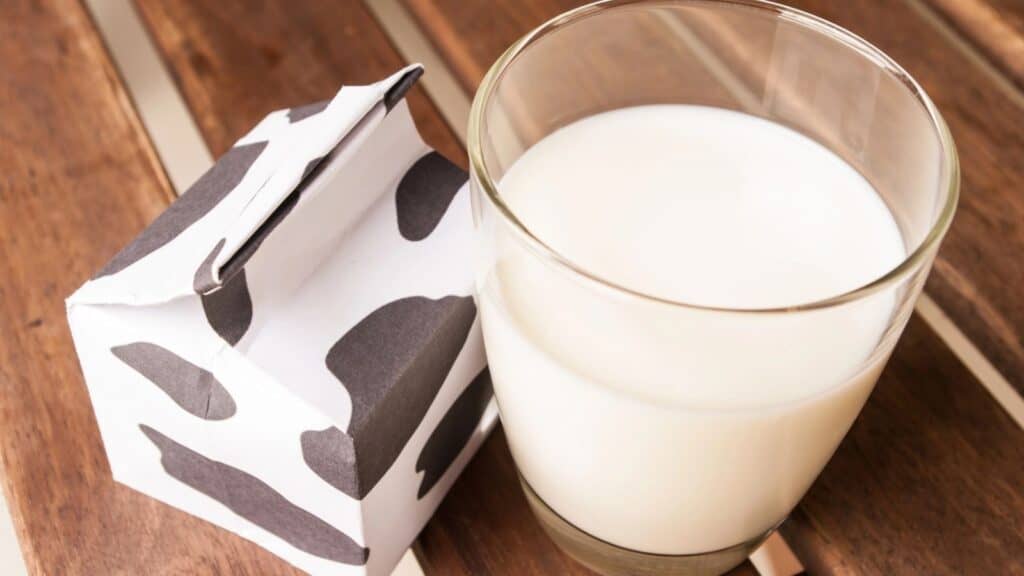
Arizona allows Grade A raw milk and cream for consumers. The milk must be produced and bottled or finally packaged in the state. Raw products must meet health and sanitation standards. Stores must keep them separate from pasteurized dairy products. Restaurants and soda fountains may not sell or use these products. The same ban covers similar establishments.
New Hampshire Uses an 80-Quart Threshold
New Hampshire uses an 80-quart cutoff. A producer-distributor produces and distributes milk. The definition applies when sales average more than 80 quarts per day. Licensed producer-distributors and milk plants may sell through retail outlets. A producer outside that definition may qualify for a direct-sale exemption. Those sales can happen at the farm, farm stand or a farmers market.
Big States, Hard Numbers
California Sets Microbial Limits
California allows dairies that meet state rules to sell raw milk. A farm needs a market milk permit to produce it for public consumption. At delivery, raw milk may have no more than 15,000 bacteria per milliliter. The coliform limit is 10 bacteria per milliliter. The warning flags newborns and infants, older people and pregnant women as high-risk groups. It also flags people with weakened immunity.
Washington Requires 2 Licenses
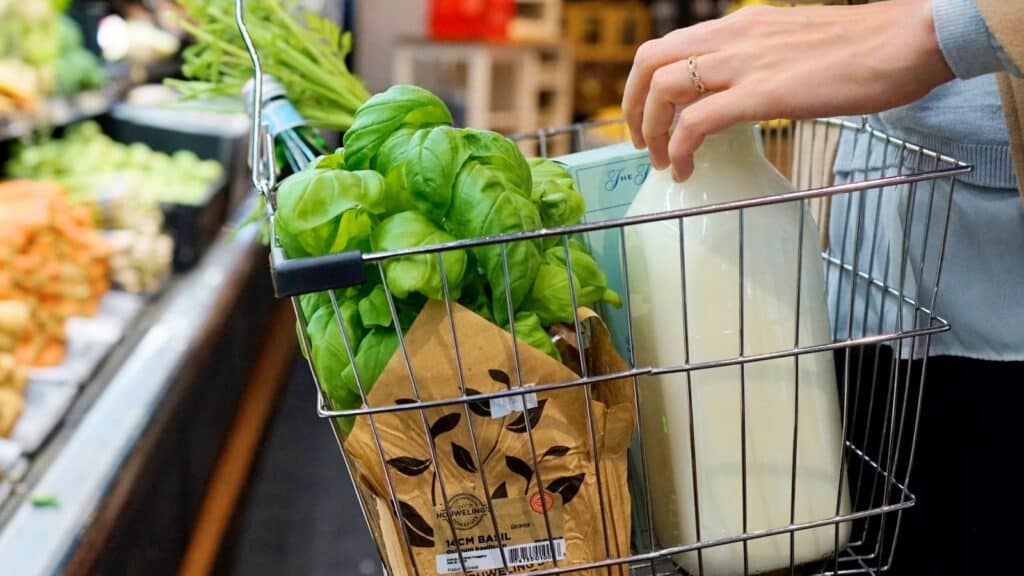
Washington calls the product “Retail Raw Milk.” A producer-processor needs two licenses: a Milk Producer License and a Milk Processing Plant License. Bottling must happen where the milk is produced. State guidance allows sales to grocery stores and farmers markets. It also allows delivery and sales from on-farm stores.
Pennsylvania Adds Testing and Dating
Pennsylvania makes the permit holder arrange regular testing. Bacterial count, coliform count and drug-residue tests are required at least twice each month. Somatic cell count is also tested at least twice each month. A pathogen screen is required every six months. Prepackaged raw milk needs a consumer advisory plus a sell-by or best-by date. A sell-by date cannot extend beyond 17 days beginning after midnight on the day of production.
License First, Label Second
Maine Recognizes Off-Farm Retail Sales
Maine’s 2026 Milk Commission guidance covers producer-dealers. A producer-dealer processes or packages its milk. It then sells that milk through a retail store away from the farm. Maine law requires unpasteurized milk covered by the statute to say “not pasteurized” on the label. It also bars raw milk itself from sale at an eating establishment.
New Mexico Regulates the Display Case
New Mexico regulates the dairy case itself. Stores must display raw milk separately from pasteurized dairy products. A self-service case needs a placard. It must say raw milk is not pasteurized and may contain organisms that cause human disease. Placard letters must be at least 1/2 inch high. The bottle warning must use letters at least 1/8 inch high.
What the Store Shelf Cannot Tell You
Retail legality and health risk answer different questions. Federal law bars interstate delivery of unpasteurized final-package milk for direct human consumption. It also bars its sale or distribution after interstate shipment under 21 CFR 1240.61. The CDC lists Campylobacter, E. coli, Listeria and Salmonella among germs raw milk can carry. A store shelf can tell you a product is legal to sell there, but it cannot guarantee it’s safe to drink. Checking the label, handling rules and health guidance gives you the fuller picture.