
The pumpkin beer aisle used to be the easiest section in the bottle shop to navigate, but breweries from Seattle to Pennsylvania have spent the last few years taking apart the amber-ale-and-pie-spice formula that defined it. The shelf this September holds stouts, lagers, golden ales and at least one ale spiked with habanero peppers, and most of them have almost nothing in common beyond the gourd on the label. For drinkers who wrote the category off as one-note, the fall 2026 lineup makes a case worth revisiting.
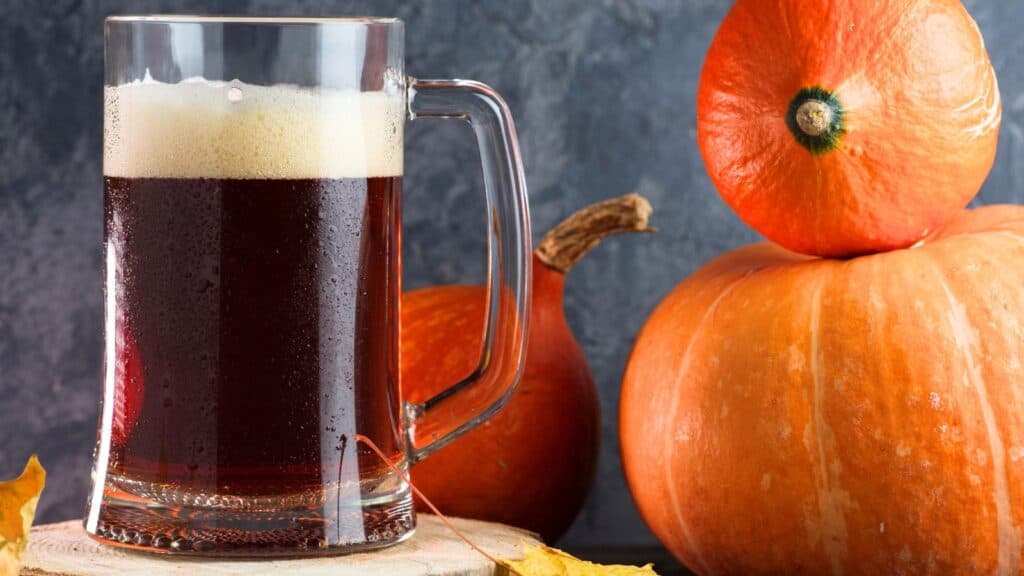
Breweries are building pumpkin beers on coffee bases, rooibos tea, Belgian yeast and lager fermentation, with imperial versions above 8% ABV now sitting alongside sessionable options under 5%.
Why Pumpkin Beer Has No Rules Anymore
The World Beer Cup’s 2026 competition guidelines treat pumpkin as an ingredient with no fixed home. Category 5, “Pumpkin/Squash or Pumpkin Spice Beer,” allows the brewer to use any base style, whether ale, lager or hybrid, and build from there. The spice blend is open-ended too, which means the category officially has room for whatever a brewer wants to try.
Seattle’s Elysian Brewing Goes All In
Elysian Brewing’s fall Pumpkin Pack covers four styles at once: Night Owl (a 6.7% ABV traditional pumpkin ale), Punkuccino (a coffee pumpkin ale), Dark o’ the Moon (a 7.5% pumpkin stout with cocoa and vanilla) and Great Pumpkin, an 8.4% imperial pumpkin ale the brewery credits as the first of its kind. Elysian has brewed more than 100 pumpkin beers since 1997. Its 22nd annual Great Pumpkin Beer Festival on Oct. 3 in Seattle will pour more than 60 pumpkin and fall beers from across the country.
Heat, Tea and Things You Won’t Expect
Voodoo Ranger Atomic Pumpkin from New Belgium Brewing pairs cinnamon with habanero chili peppers. It’s a 6.4% ABV ale with a genuine kick of heat where the nutmeg would normally be.
Chicago’s Off Color Brewing took a different approach entirely with Pumpkin Beer for Cafés, a 5.0% seasonal brewed with pumpkin puree, cold-brewed red rooibos tea and vanilla beans. Two breweries, two completely different answers to the same question.
Belgian Yeast, Lager Bases and a Sessionable Pick
Tröegs Independent Brewing in Hershey, Pennsylvania, roasts 3,000 pounds of locally grown pumpkins for Master of Pumpkins and ferments with Belgian ale yeast instead of a standard American strain. The family-owned brewery has been working with local ingredients for more than two decades. The result is drier and more complex than the malty sweetness most pumpkin ales deliver.
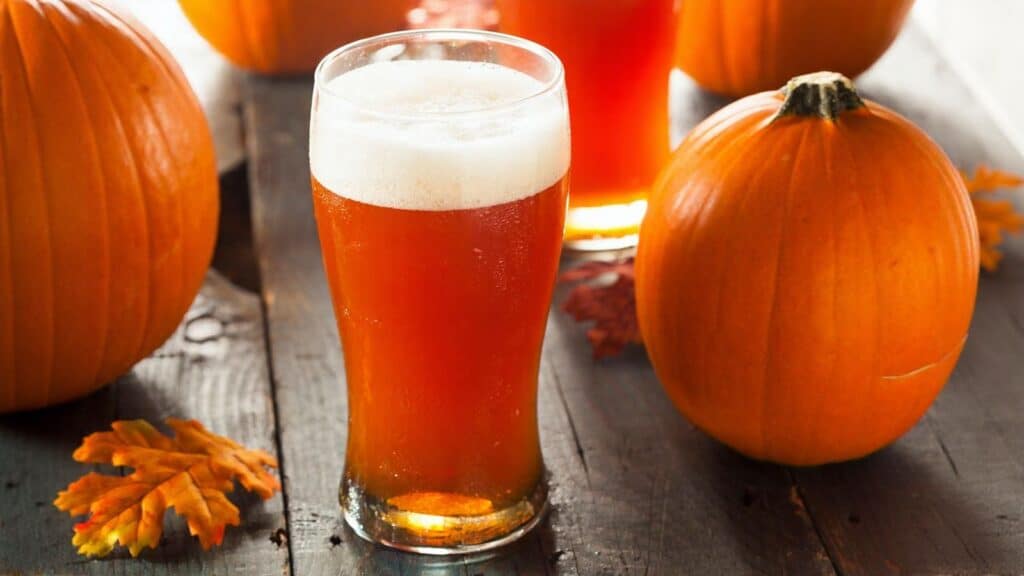
Lakefront Brewery in Milwaukee cold-ferments its Pumpkin Lager for a crisper finish than anything ale-based. In St. Louis, 2nd Shift Brewing built When Pumpkins Fly on a golden ale base with honey, biscuit malt and vanilla beans, notable because the brewery had previously said it would never make a pumpkin beer. Samuel Adams kept its Jack-O Pumpkin Ale at a sessionable 4.4% ABV, making the case that lighter and restrained is its own kind of interesting.
The broader craft beer market fell 4% in 2025, but pumpkin beer is having one of its more varied falls in years. If you wrote the category off as one-note, this October is a good time to look again.