
Recess could turn into a marketplace, a tournament, or a fashion show in a single week. One new toy hit the playground, then pockets and backpacks filled up with it. The best crazes gave kids a quick way to compete, trade, or show off, which helped a cheap little object feel like the center of the school day.
The Fads That Became School Problems
Pogs Turned Recess Into a Stakes Game
Pogs were cardboard discs stacked in a pile and hit with a heavier slammer. In the competitive version, players kept the discs they flipped. A 1995 Washington Post report described the game sweeping elementary and middle schools across the Washington region. Several schools cracked down after arguments, hurt feelings, and classroom distractions followed the craze.
Garbage Pail Kids Made Trading Gross
Garbage Pail Kids cards mixed trading-card collecting with gross-out cartoon humor. By 1986, schools were dealing with students swapping them, losing them, and spending lunch money on packs. One New York elementary school banned the cards after administrators said they were disrupting the school day. The controversy only made the cards feel more irresistible to kids.
Tamagotchi Needed Attention During Class
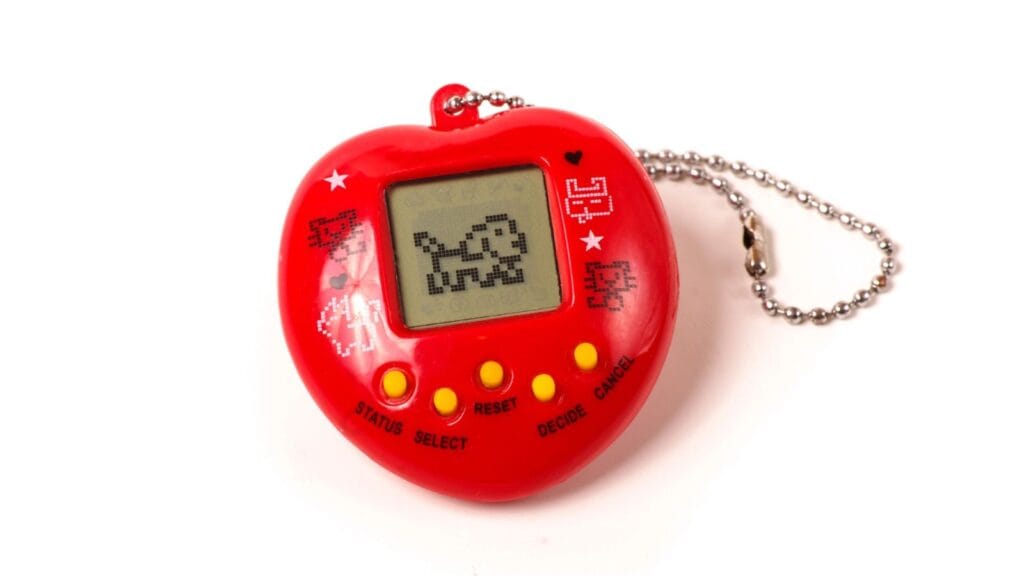
Tamagotchi arrived with a built-in problem for schools: the digital pet kept demanding care. Honolulu’s Iolani School banned the toys about a week after they appeared in 1997. Students caught with one had to pay a $1 ransom to get it back. Other Hawaii schools also treated the beeping pets as a classroom distraction.
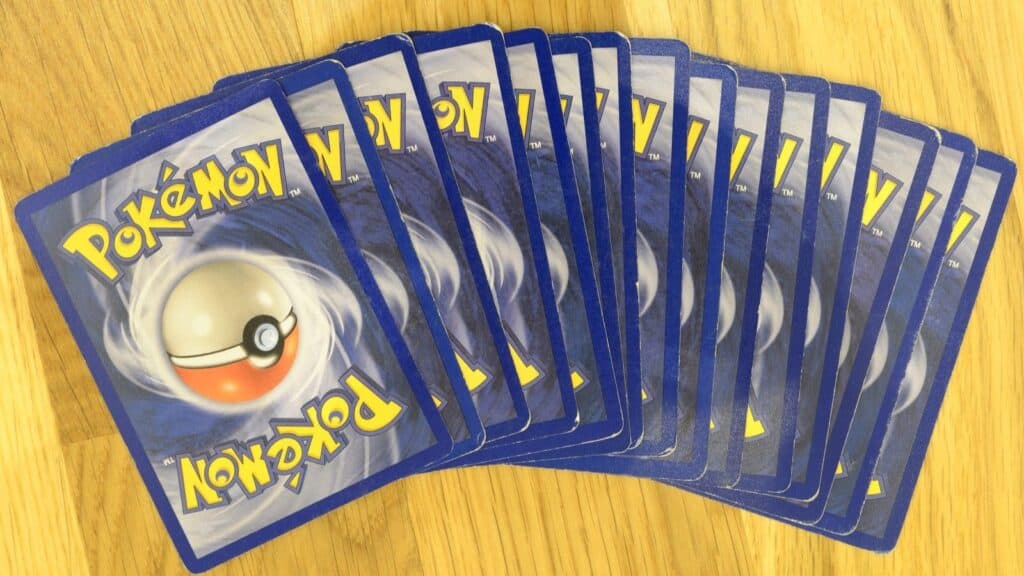
Pokémon Cards Turned Trading Into the Main Event
Pokémon cards hit U.S. schools fast in 1999. An Associated Press report said cards were banned, restricted or discouraged at grade schools in several states. In Pelham, New York, one school stopped student trading after younger children lost valuable cards in bad deals. Another school banned the cards completely after students became upset when cards went missing.
The Toys That Turned Practice Into Competition
Skip-It Came With Its Own Scoreboard
Skip-It wrapped around one ankle while a ball spun around the other foot. TIME described the Tiger Electronics toy as an ankle hoop with an attached ball and chain that kept track of rotations. That simple counter turned hopping into a personal challenge. You did not need a judge or a rulebook. The number on the toy told you whether your next try was better.
Yo-Yos Came Back With New Tricks
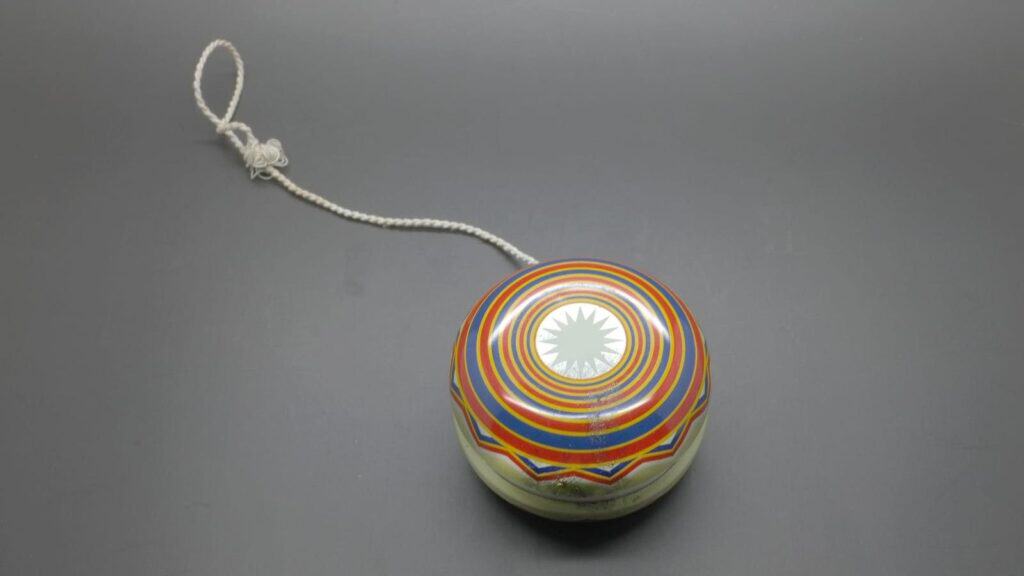
Yo-yos were ancient news by the 1990s, but the late-decade comeback was a real kid-driven craze. A 1998 report described children pulling yo-yos from their pockets during recess and schools confiscating them. Newer models added clutch systems, ball bearings and other features that made tricks easier to practice. Walk the Dog and Rock the Cradle suddenly had an audience again.
Hacky Sack Rewarded the Whole Circle
Hacky Sack worked because almost anyone could join the circle. John Stalberger and Mike Marshall developed the modern footbag game after meeting at an Oregon music festival in 1972. By the early 1980s, the craze had spread nationwide, and Wham-O bought the rights in 1983. The basic goal stayed simple: keep the bag in the air without using your hands.
The Simple Stuff That Still Pulled a Crowd
Koosh Balls Were Built to Be Easy to Catch
Engineer Scott Stillinger created the Koosh Ball to help his young children learn to catch. The soft, bounceless toy began distribution in October 1987. By 1989, Toy and Hobby World ranked it among the 20 fastest-selling toys in the United States. It was easy to toss, easy to collect and hard to ignore once a bright rubber ball landed in someone’s hands.
Slap Bracelets Made Noise Before Teachers Said a Word
Slap bracelets were strips of metal wrapped in colorful fabric that curled around a wrist when slapped against it. In 1990, the Washington Post called them a fad and reported stores struggling to keep them stocked. School officials in Pelham, New York banned the bracelets after safety concerns about exposed metal in an off-brand version. The snap was fun right up until adults started paying attention.
Recess Was Really About the Crowd
The objects changed, but the appeal kept landing in the same place. A playground fad gave kids an instant excuse to gather, compare, compete, or trade. That is why a cardboard disc, a tiny digital pet, or a rubber ball could feel huge for a few months. The toy mattered, but the crowd around it was what made the memory stick.