
The grocery bill keeps going up, and the answer to it sits on the pantry shelf. Home cooks have reached past that can of condensed soup for years, treating it as a last resort while fresh ingredients got more expensive and better options felt further out of reach. What that can has been doing in American kitchens for nearly a century is worth a closer look.
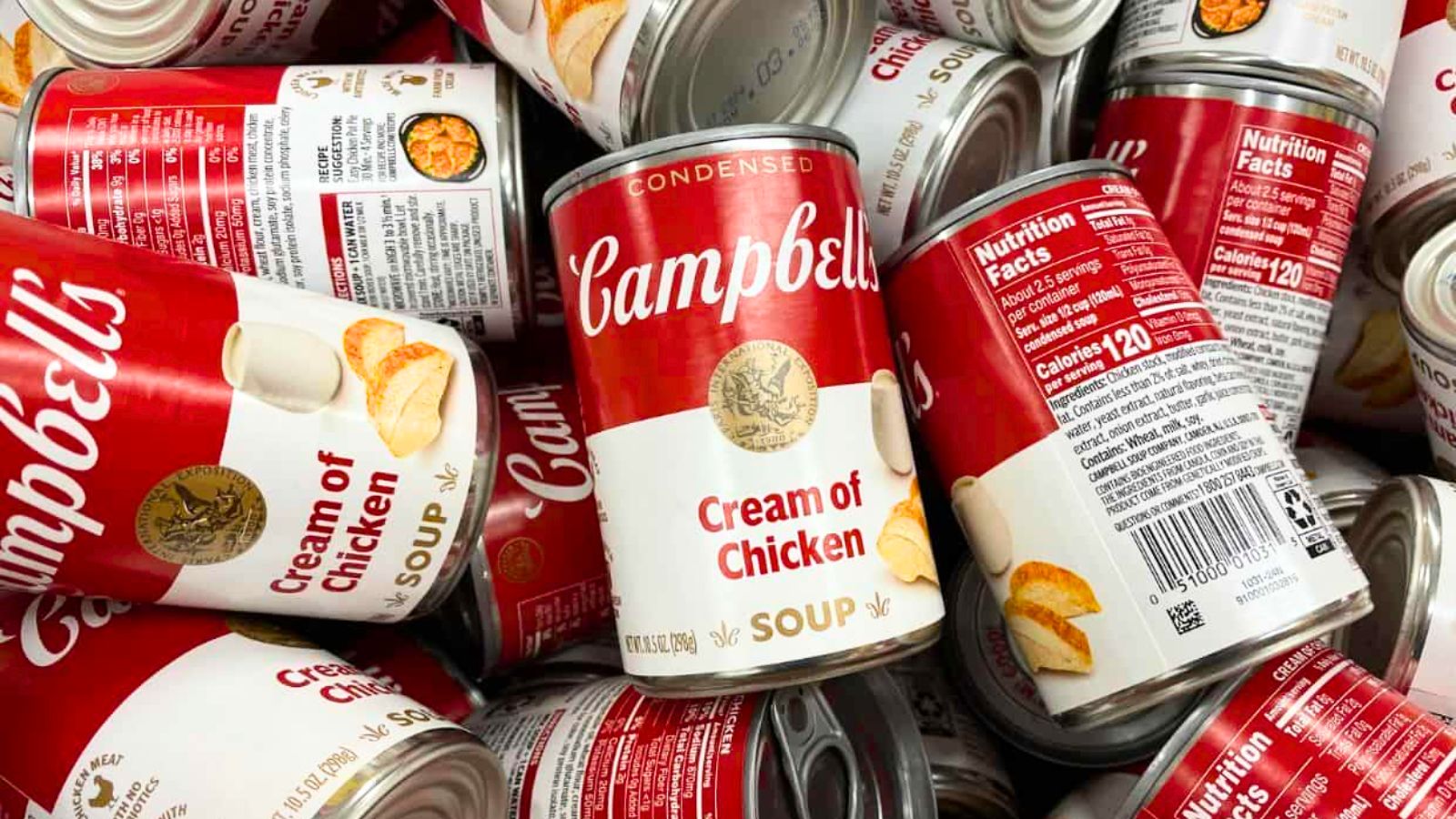
Shoppers already feel what the USDA’s Economic Research Service confirmed in its August 2026 update: food-at-home prices were 2.7% higher in July 2026 than a year earlier, while food-away-from-home prices rose 3.4% over the same period. Beef and veal were up 9.4% year-over-year. Fresh vegetables were up 6.3%. Food-at-home prices are rising more slowly than food-away-from-home prices, but the advantage only holds if what goes into the home kitchen is doing real work.
Canned soup, used as an ingredient rather than a finished dish, can be a practical tool for home cooks managing that gap. The shelf-stable can consolidates ingredients that would otherwise be purchased and prepared separately, with the flavor development already done.
The cost math behind the can
Canned soup works as a cooking base because it already contributes key flavors and textures to a dish. Condensed cream of mushroom delivers a ready-built foundation of mushroom flavor, dairy richness and savory depth; components that would otherwise require assembling and cooking separately. Condensed tomato soup delivers concentrated acidity, sweetness and body to a braise, replacing the produce, time and stove work of building a tomato base from scratch.
But more than just condensed soups, black bean soup, puréed, becomes a tortilla dip base with minimal prep, skipping the cooking and processing work of building it from scratch. Cream of mushroom poured over chicken and rice, then baked, handles both the sauce and the cooking liquid in a single can. Each application reduces the number of separate ingredients and prep steps a recipe requires.
The shelf-stable format adds a practical dimension that fresh ingredients cannot match. A can of condensed soup costs nothing in spoilage, requires no planning around peak freshness and does not demand a separate grocery trip for a single component. When grocery budgets are tighter, ingredients that can wait in the pantry until needed carry a real advantage over fresh produce or dairy that must be used within days.
Treating the can as a cooking base rather than a finished dish is a practical approach if grocery costs climb. With beef up nearly 10% year over year, a can of condensed tomato soup as the braising liquid for chicken thighs is a workable swap. Cream of mushroom, thinned with a splash of white wine, becomes a pan sauce that handles the job of a from-scratch mushroom cream sauce with fewer ingredients and less time at the stove.
What the restaurant kitchen noticed first
The approach home cooks are rediscovering is something restaurant kitchens have acted on for years. At the 2026 National Restaurant Association Show in Chicago, Campbell’s Foodservice chefs demonstrated soup as a ravioli sauce and a nacho topping, presenting it as a technique rather than a shortcut. The Culinary Reserve line is a foodservice portfolio of more than 60 chef-inspired frozen soups, available in ready-to-serve and condensed formats, developed for use as a versatile ingredient across multiple applications in restaurant kitchens.
A century of proof
By 1941, Campbell’s was publishing recipes built around condensed soups as cooking ingredients, when its cookbook “Easy Ways to Good Meals” developed casserole and sauce applications using the company’s soups.
Campbell’s employee Dorcas Reilly created the green bean casserole in 1955, using cream of mushroom as its sauce, but it wasn’t originally made for Thanksgiving. Its association with the holiday grew through the 1960s as the recipe reached more home cooks through the product label, making it one of the country’s most recognizable Thanksgiving side dishes. Reilly developed it using ingredients Americans commonly had on hand.
The bigger picture
USDA’s annual forecasts place food-at-home inflation below food-away-from-home inflation in both 2026 and 2027. Food-at-home prices are projected to rise 2.5% in 2026 and 2.1% in 2027, while food-away-from-home prices are forecast to rise 3.6% in 2026 and 2.7% in 2027.
The narrowing gap between 2026 and 2027 forecasts does not mean costs are going away. Food-at-home prices are projected to keep rising, just more slowly than eating out. For households managing a grocery budget across both years, the practical question is not whether food costs will ease but which ingredients stretch the budget further without adding steps or waste.
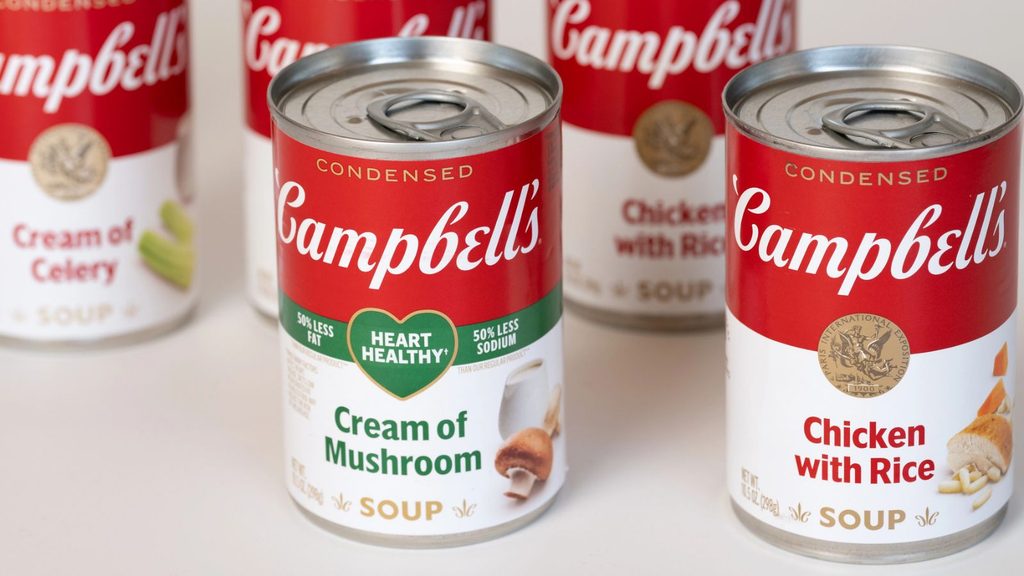
Canned soup used at ingredient level, opened and built upon rather than heated and served, is one of the more practical ways to reduce the components a home-cooked meal requires. The can has been ready for this for a long time.
Jennifer Allen is a retired professional chef and long-time writer. Her work appears in dozens of publications, including MSN, Yahoo, The Washington Post and The Seattle Times. These days, she’s busy in the kitchen developing recipes and traveling the world, and you can find all her best creations at Cook What You Love.