
September changes the produce aisle fast. Summer favorites may still be around, but fall crops are showing up more often at farm stands and market bins. Exact timing depends on region, weather, and growing conditions. These 11 vegetables all have documented fall harvest or market windows, making them worth watching now.
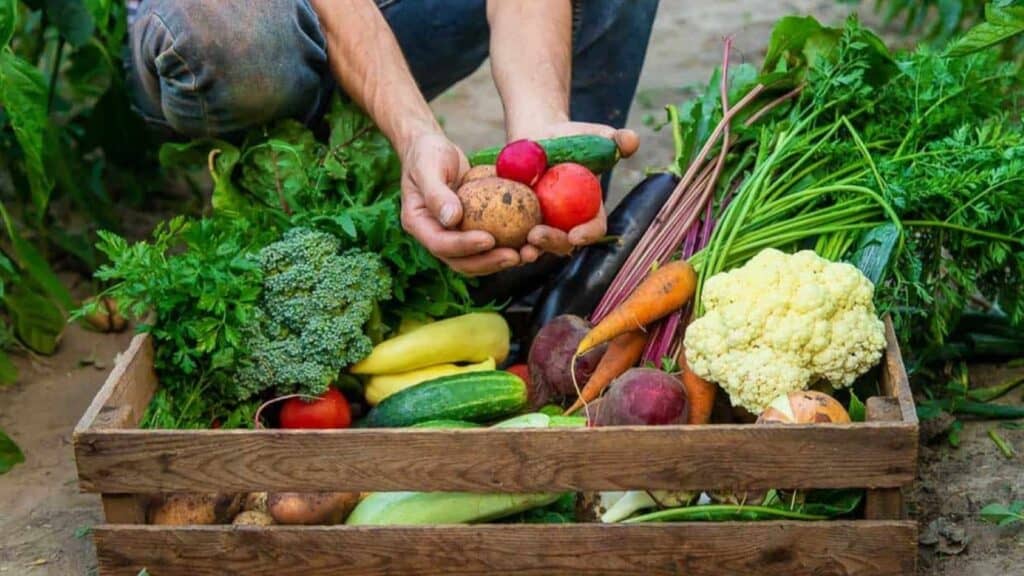
Broccoli
Look for firm heads with tight florets and a deep green to bluish-green color, the surest sign broccoli is at its best. It’s not a fall-only crop, but September still lands inside its harvest window in the central U.S., with Nebraska Extension listing harvest and market availability from June through October.
Brussels Sprouts
Of everything on this list, Brussels sprouts have one of the clearest September starts. Nebraska Extension puts both harvest and market availability from September through November, and at farmers’ markets, they’re often sold whole on the stem rather than loose. Choose firm, compact sprouts with bright green color.
Cabbage
Slaws, soups, stews, stir-fries, cabbage earns its versatility from a season that stretches well past a typical fall crop. Nebraska Extension lists harvest and market availability from June through November, and firm heads with glossy leaves are the best sign at the market.
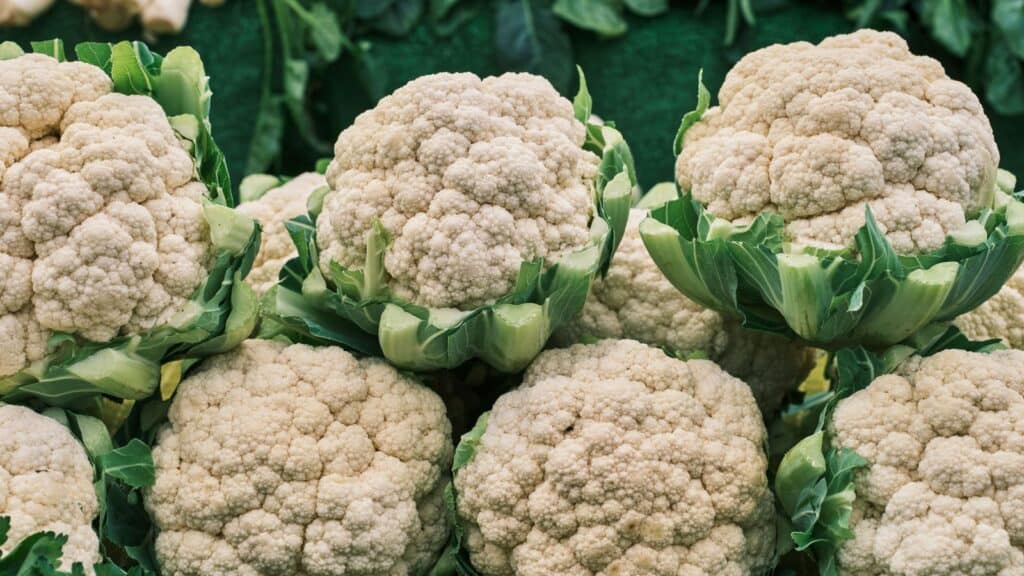
Cauliflower
By September, cauliflower is already well inside its seasonal window. Choose heads with bright color and no brown spots, then roast, steam, or add the florets to soups and pasta dishes. Nebraska Extension places both harvest and market availability from July through October.
Kale
Kale doesn’t make a clean break between summer and fall, it just keeps going. Nebraska Extension lists a harvest season from June through November, with market availability through October. Firm leaves with strong color hold up best, whether headed for salads, soups, or a quick sauté.
Carrots
Local harvest calendars still matter here, even though carrots are easy to find in supermarkets year-round. Nebraska Extension lists both harvest and market availability from June through November, and firm carrots with deep color will keep for up to two weeks in the refrigerator.
Beets
Both the roots and leaves are edible, two ingredients from a single bunch. September sits comfortably inside beet season in Nebraska, where Extension lists harvest from May through October and market availability from June through October.
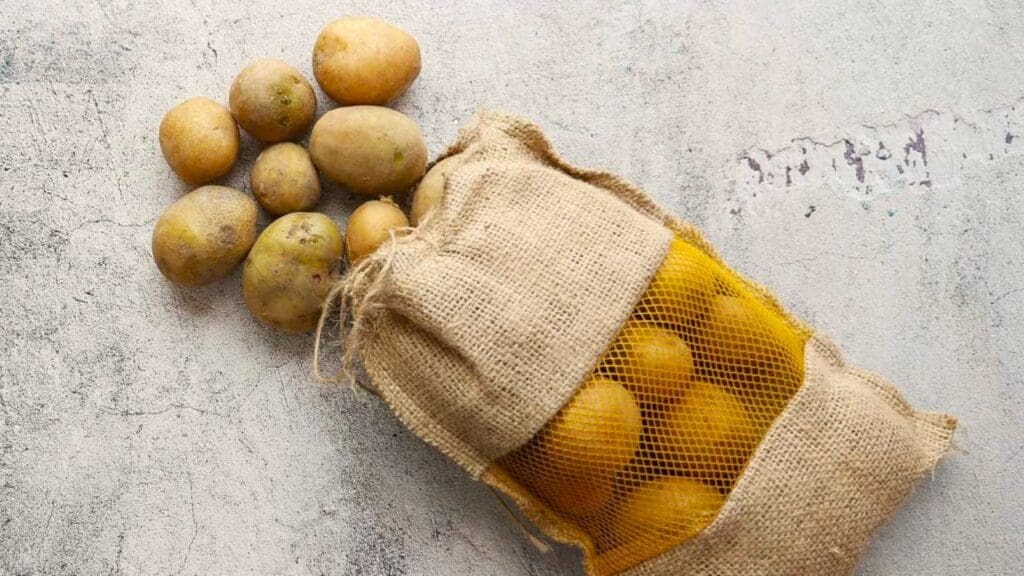
Potatoes
Baked, mashed, hash browns, soup: September lands right inside the local potato harvest window, giving early-fall shoppers a real seasonal stretch rather than a single moment. Nebraska Extension lists both harvest and market availability from July through October.
Sweet Potatoes
Choose firm roots with smooth skins and no soft spots, then bake, mash, roast, or turn them into fries. September is one of the strongest picks on this entire list for sweet potatoes, with Nebraska Extension listing their harvest and market season from September through December.
Winter Squash
Winter squash earns its fall reputation honestly, with a harvest window that runs August through November in Nebraska and market availability continuing into December. Nebraska Extension notes many varieties store for about a month, with some lasting up to three months.
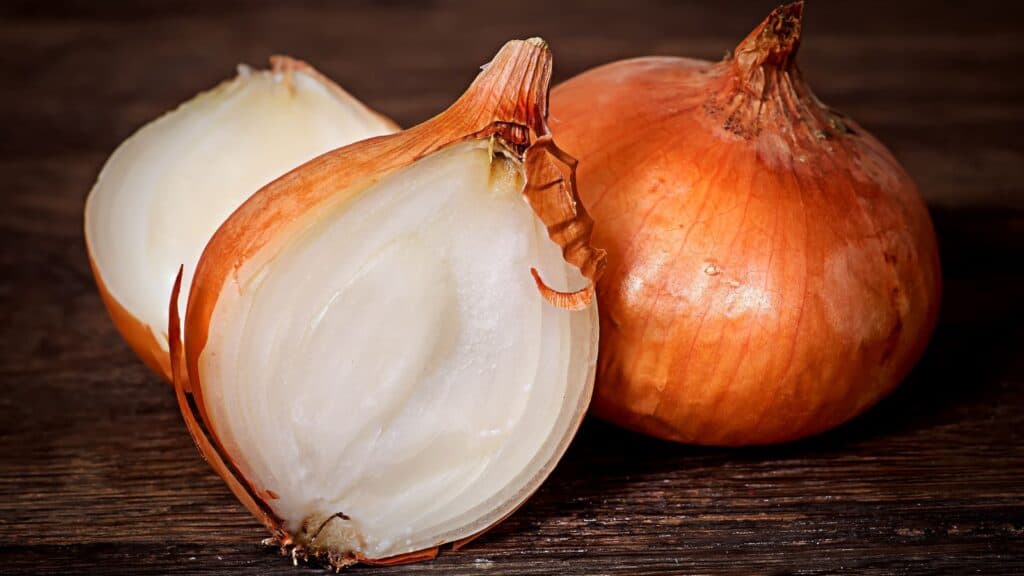
Onions
The Upper Midwest just got a timely signal on this one. In a September 10, 2026 crop update, University of Minnesota Extension said onion and shallot leaves should be flopping over or turning 50% to 80% yellow, a sign the bulbs are ready for harvest.
Seasonality Is Local, Not a Date on the Calendar
A fall produce list works best as a starting point, not a nationwide stopwatch. Harvest dates move with climate and weather, so your local market can tell you more than a generic calendar can. Watch what is arriving from nearby farms, and the season becomes easier to read in real time.