
Phones lit up, hosts kept talking, and a glittering scarf or self-wringing mop could suddenly feel hard to pass up. QVC and HSN turned products into events. Live demos, familiar faces, and a sense of urgency made waiting feel risky. These 11 products show how TV shopping made buying feel like part of the show.
Joan Rivers Made Fashion Appointment TV
Joan Rivers came to QVC in 1990 with the Joan Rivers Classics Collection. Over 24 years, her line grew to more than 6,000 items and sold more than $1 billion in merchandise, according to QVC figures reported by Fortune. One sequin scarf sold more than 88,000 units in a single day.
Marie Osmond Made Collectible Dolls Personal
Marie Osmond served as design director for her porcelain doll collection. The line grew to hundreds of styles. One limited series sold $2 million in 13 minutes of QVC airtime. A classic collectible had become a live TV event.
Diamonique Put Big Sparkle Within Reach
Diamonique gave QVC viewers the look of diamond jewelry at a lower price. QVC acquired the line in 1988 and described it as simulated gemstone jewelry. The mix of sparkle, price, and frequent on-air demos helped make the name familiar to viewers.
Temp-tations Made Bakeware Collectible
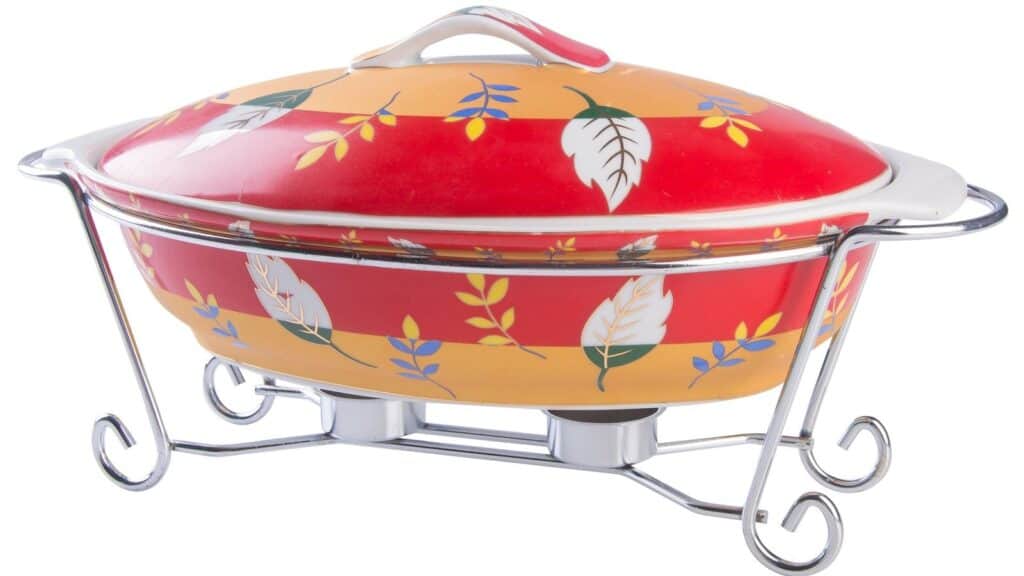
Tara McConnell built Temp-tations around colorful stoneware that could go from oven to table. The line sold 10 million sets in its first decade. That included 1.6 million sets in 2012. Regular QVC shows helped turn patterned casserole dishes into pieces fans could collect.
Wolfgang Puck Brought the Chef Show Home
Wolfgang Puck spent 25 years selling on HSN. His partnership with the network brought in $624 million in revenue, according to Delish. Cookware was a key part of the mix, along with appliances, knives, and cookbooks. Viewers could watch a chef use the products before deciding to buy.
Philosophy Found Its Beauty Audience
Philosophy debuted on QVC in 1999. It later became the channel’s sales leader among beauty brands. The format gave hosts time to show how a product looked and how it fit into a routine. That kind of demo suited a skincare line well.
WEN Sold a Different Way to Wash Hair
Chaz Dean’s WEN asked viewers to try a lather-free cleansing conditioner instead of regular shampoo. The line became QVC’s No. 1 haircare brand in 2015. It later passed 40 million cleansing conditioners sold.
The Miracle Mop Made Chores Watchable
Joy Mangano’s self-wringing Miracle Mop launched her TV-shopping career. An early QVC demo struggled without her. Mangano then appeared on air herself and sold out the remaining mops. The moment showed how much an inventor’s own pitch could help explain a simple household product.
Huggable Hangers Became a Closet Phenomenon
Mangano later became closely linked with slim, flocked Huggable Hangers on HSN. She sold her company, Ingenious Designs, to HSN in 1999. The hangers became one of her best-known products there. More than 800 million units were sold.
Tony Little Made the Gazelle Hard to Ignore
Tony Little made his HSN debut in 1987. He sold 400 workout videos in four hours. His Gazelle exercise machine later brought in about $1.5 billion in revenue. Its long-stride motion and Little’s high-energy pitch made the machine easy to remember.
Serena Williams Turned Fashion Into a Fast Sellout
Serena Williams brought her Signature Statement clothing, jewelry, and accessories to HSN in 2009. During its spring launch, viewers bought 25,000 pieces in only three hours of airtime. Prices ran from $16.50 earrings to a $99.95 maxi dress.
Why the Demo Mattered as Much as the Product
TV shopping worked because viewers could see a product solve a problem. They could hear a trusted host or creator explain why it mattered. Then they had to decide before the moment passed. That mix could make a hanger, mop, or piece of simulated-diamond jewelry feel bigger than its shelf value. The lasting trick was making the act of buying feel like part of the show.