
September through November has become a major window for bourbon releases, with many producers releasing annual offerings during the season. Distillers schedule these releases based on production, inventory and established release calendars, while the whiskey’s maturation has already been shaped by years of seasonal temperature changes in Kentucky warehouses. For drinkers who understand that relationship between aging, barrel selection and release timing, bourbon hunt season is considerably more interesting than a waitlist.
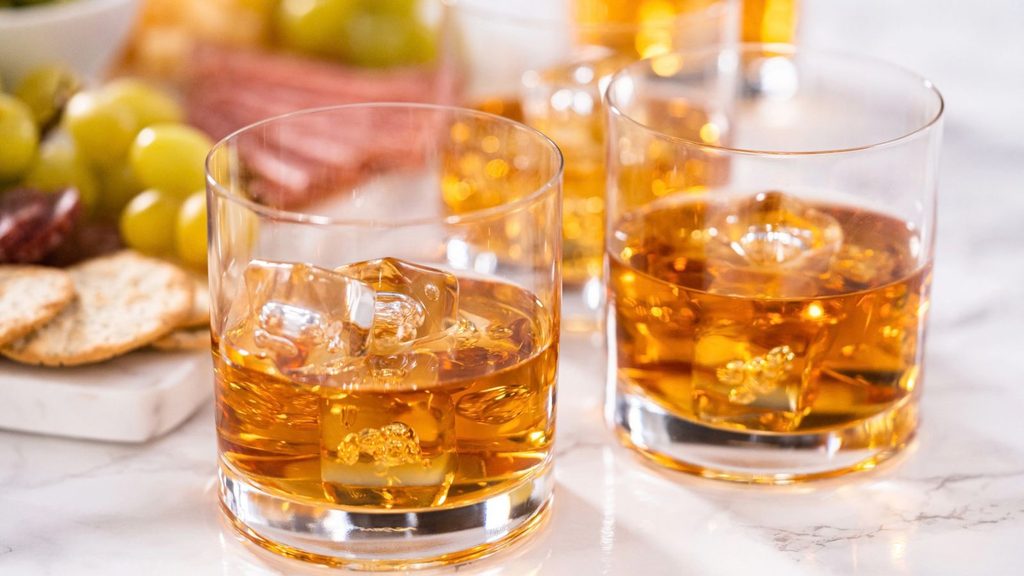
There are 16.1 million bourbon barrels aging in Kentucky warehouses, according to the most recent industry data; most of them are still years from a shelf. The bottles surfacing this October represent a small slice of that inventory, the ones that finally finished waiting. Knowing what went into them, and what to do with them once they arrive, makes this fall worth paying attention to.
The rules behind the bottle
Ari Sussman, Whiskey Maker for Whiskey JYPSI, lays out what separates bourbon from the rest of the whiskey category. “Bourbon is the most popular American style of whiskey. It must be at least 51 percent corn, aged in a new oak barrel, and produced in the US. That’s really the extent of the rules.”
Those rules are simple, but the chemistry playing out inside that new oak barrel over years of seasonal temperature cycling tells a different story. In summer, heat causes the spirit to expand into the charred wood. Lignin breaks down into several aromatic compounds, including vanillin, which contributes vanilla notes. The breakdown of hemicellulose and other wood components produces sugars and compounds such as furfurals, which contribute toasted, sweet and caramel-like notes.
When temperatures fall, the spirit contracts back out of the wood, drawing those extracted compounds with it. The vanilla, caramel and baking spice that define a well-aged bourbon build through years of this cycle, shaped by temperature-driven extraction alongside oxidation and other chemical changes inside the barrel.
Why fall is bourbon’s natural season
Bourbon enthusiasts often call the September-through-November window hunt season, and the name fits. The Kentucky Bourbon Festival brings distillers, brands and bourbon tourists to Bardstown each September during National Bourbon Heritage Month, which the U.S. Senate designated through Senate Resolution 294 in 2007. On Oct. 8, 2025, Buffalo Trace announced the 25th release of its Antique Collection. Buffalo Trace announced the 2025 Van Winkle collection on Sept. 10, with distribution to retailers beginning that month.
Barrels are selected using age targets, inventory plans and sensory evaluation, while many of the category’s most coveted annual releases are deliberately scheduled for the fall. BTAC and the Van Winkle collection are two of the clearest examples, giving bourbon hunters a predictable season to watch even though the whiskey itself may have reached maturity months or years earlier.
A closer look at the bourbon label this fall
The 2025 BTAC bottlings show that releases are selected at different points in maturation rather than all being bottled at their nominal age statements. The 2025 George T. Stagg came from barrels aged more than 15 years and 4 months. Eagle Rare 17-Year came from barrels that had spent 18 years and 4 months in the warehouse. William Larue Weller came from barrels aged 12 years and 7 months.
Some producers identify the specific warehouse and floor position on single-barrel labels because temperatures vary sharply by floor in a multi-story rickhouse, with upper levels generally running hotter than lower ones and interacting with the wood more quickly and intensely than barrels below. Pappy Van Winkle, one of the most sought-after names in American bourbon, releases a fall collection spanning six expressions, including bottles aged 15, 20 and 23 years. The 2025 collection was announced Sept. 10, with distribution beginning that month, in quantities so small relative to demand that some states use lotteries or other controlled allocation systems.
Fall cooking starts with a bourbon bottle
Bourbon’s fall flavor profile, with its vanilla, caramel and warm spice drawn from the wood, makes it a natural fit in the kitchen as well as the glass. Ashton Johnson, Director of Hospitality at Cedar Ridge Distillery in Swisher, Iowa, suggests a maple bourbon glaze made with Cedar Ridge Straight Bourbon Whiskey, paired with butter, maple syrup and a kick of red pepper flakes. Johnson recommends it with white meats like roasted pork loin or pan-seared chicken breast.
Cedar Ridge ages its straight bourbon in non-climate-controlled rickhouses exposed to dramatic Iowa temperature swings; these conditions influence maturation, extraction and depth of flavor.
A trail worth following beyond the lottery
The lottery culture, the waitlists, the people timing travel around the October drop window all trace back to decisions made a decade or more ago. The barrels that arrived on shelves in fall 2025 were filled and set aside when distillers had no way of knowing what the market would look like when the liquid was finally ready.
Louisville’s Urban Bourbon Trail offers a selected collection of bars and restaurants with some of the city’s largest bourbon collections, expert staff and bourbon-infused cuisine at many stops, designed to complement distillery tours across the region. For drinkers who want to engage with the season without entering a lottery, it is one of the more practical starting points.
Some producers have already slowed or paused production as demand softens and inventories remain high. Jim Beam has paused production at its main Kentucky distillery for all of 2026. Industry reporting indicates that much of the current inventory will not be ready for bottling until around 2030 or later. The releases arriving this fall reflect whiskey made during an earlier expansion, even as some producers now adjust output to changing demand and high inventories
Jennifer Allen is a retired professional chef and long-time writer. Her work appears in dozens of publications, including MSN, Yahoo, The Washington Post and The Seattle Times. These days, she’s busy in the kitchen developing recipes and traveling the world, and you can find all her best creations at Cook What You Love.