
A chocolate cupcake can come out dry even when the baker followed every step exactly, and the recipe is usually not to blame. Dark batter strips away every visual cue that indicates doneness in other flavors, and most recipes leave the decisions that determine texture and depth unaddressed. Fixing them requires understanding what the ingredients are doing, not finding a better set of instructions.
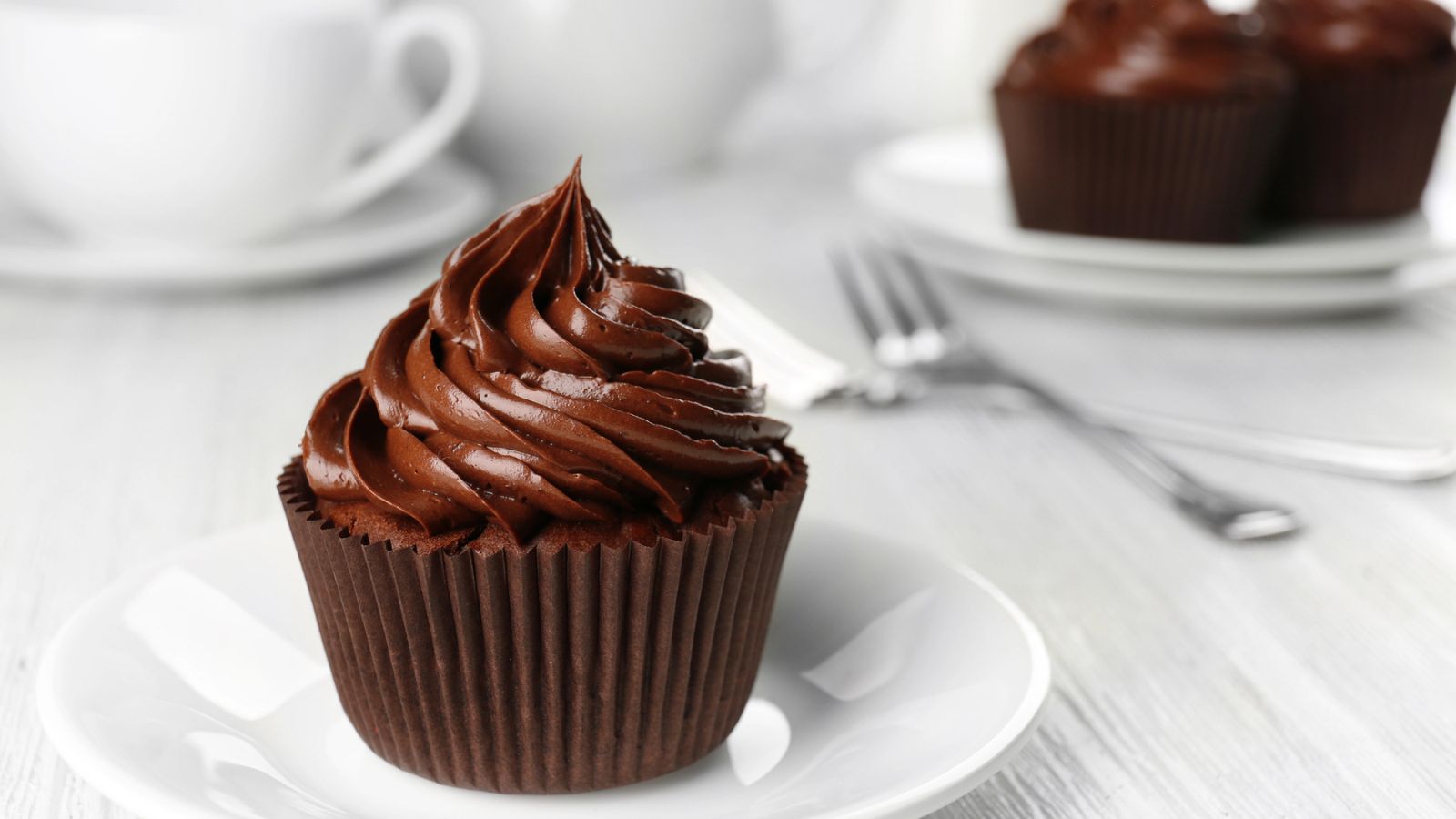
The small frosted cake that Americans celebrate every Oct. 18 as National Chocolate Cupcake Day has been part of home baking since Amelia Simmons documented the individual-cup format in “American Cookery” in 1796, the first cookbook written by an American author for American kitchens. The chocolate version arrived later and has since become a consistent presence at American celebrations of every kind, beloved for a simplicity it only partially deserves.
The doneness trap
With a vanilla or yellow cupcake, a baker has clear visual cues. The edges turn golden and the top moves from glossy to matte. Chocolate batter arrives in the oven already dark. The edges show no color change, and the top looks the same at minute 16 as it does at minute 23. A baker waiting for a clear visual sign will always wait too long, often by just a few minutes, which is enough.
The toothpick test creates the same problem. Most bakers learned to pull baked goods when the toothpick comes out clean. For moist chocolate cupcakes, a clean toothpick can mean the crumb is baked past its best. The correct target is a few moist crumbs clinging to the toothpick, not wet batter. The pan needs to come out while the center still looks like it might need another minute, not after it looks certain.
Fat, flour and the fudgy crumb
A dense or dry chocolate cupcake that came out of the oven at the right time is almost always a fat problem. Most traditional cupcake recipes call for butter, and butter is genuinely excellent in baked goods, adding real flavor and the lift a creamed batter builds. But butter is a solid fat. When a butter-based cupcake cools, the fat solidifies, firming the interior and giving the finished cake a dense, set texture. For some baked goods, that is exactly right. For a chocolate cupcake meant to be fudgy, that can work against the goal.
Oil stays liquid at room temperature. A cupcake baked with oil, or a mix of oil and butter, retains the soft, yielding texture most bakers chase as it cools. The crumb pulls apart rather than compressing. The tradeoff is that oil is nearly flavor neutral, which is why recipes that lean on it rely on the cocoa for whatever depth the finished cupcake has. That oil-forward approach is why German chocolate cupcakes hold together so well, with a moist, yielding crumb built to support the weight of a coconut-pecan topping.
Buttermilk and sour cream address a second version of the problem. The acid in both reacts with baking soda to create lift, but it also weakens gluten development, keeping the crumb tender rather than chewy. A chocolate cupcake made with sour cream can hold its moisture longer and produce a finer crumb than one made with whole milk.
Overmixing is the third variable, and the most invisible one. Flour develops gluten as soon as liquid touches it, and the longer you work the batter, the more the gluten strengthens and the tougher the finished crumb becomes. For most chocolate cupcake batters, stopping a few folds past mostly combined, with a few faint streaks of flour still visible, produces a more tender result than mixing until the batter looks perfectly smooth.
What most recipes skip about cocoa
Two types of unsweetened cocoa powder sit next to each other on most grocery store shelves with almost no guidance about which one a recipe requires. Dutch-process cocoa has been treated with an alkalizing solution that neutralizes its natural acidity, giving it a darker color and a mellower flavor. Natural cocoa is acidic and reacts with baking soda. A recipe built around natural cocoa relies on that acidity to activate the baking soda and create the right amount of rise.
Swapping in Dutch-process without adjusting the leavening can produce flat, dense results even when everything else was done correctly. Many recipes don’t specify which type to use or explain why it matters.
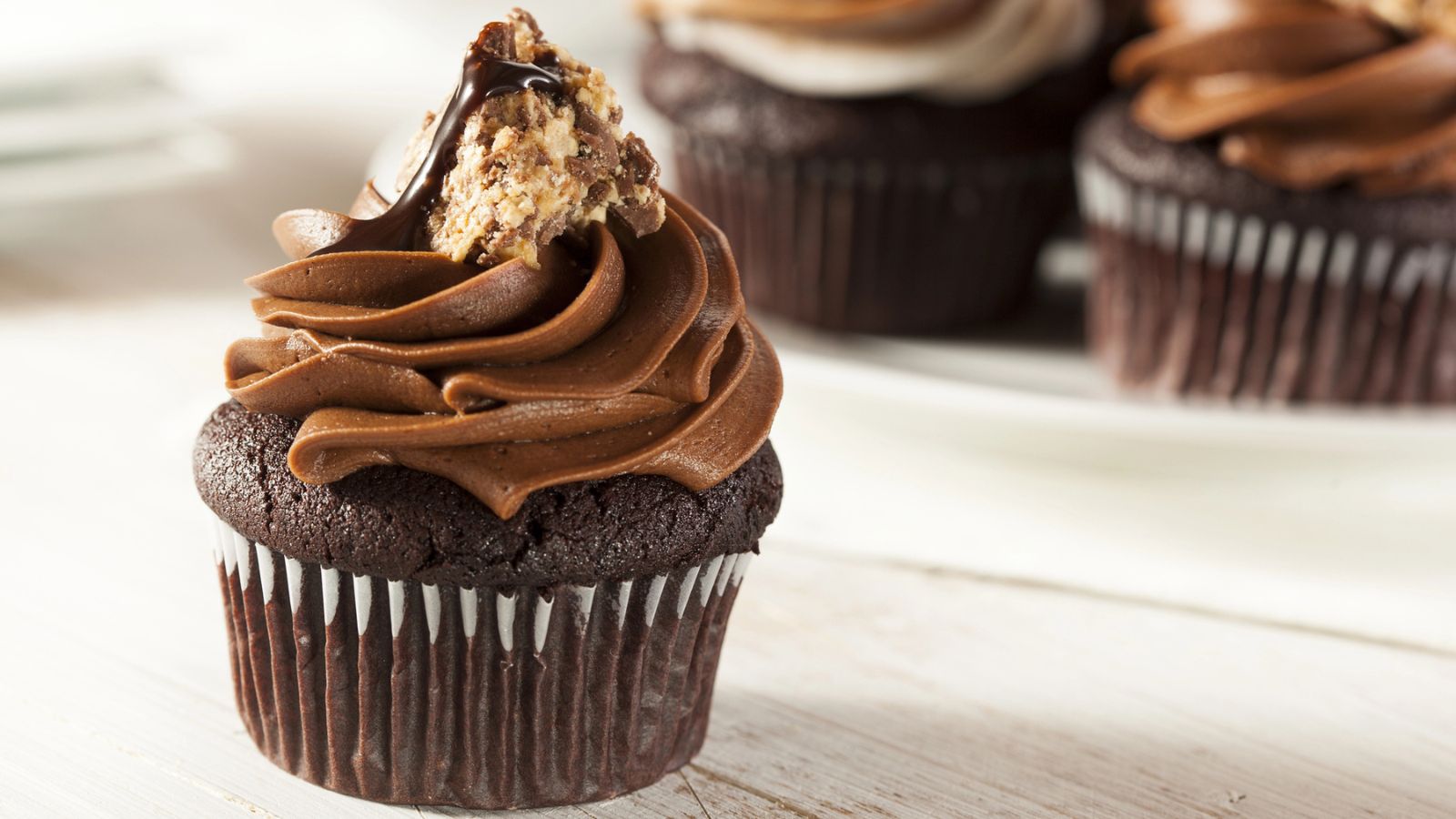
Mixing cocoa powder with a hot liquid before combining it with the other ingredients, a technique called blooming, can meaningfully intensify the chocolate flavor in a finished bake. Hot coffee is a particularly effective blooming liquid, amplifying the perception of chocolate without contributing a noticeable coffee flavor to the finished cupcake, which is why it appears alongside cocoa in many bakery-style chocolate recipes. Hot water works to the same effect in hot chocolate cupcakes.
Beyond the recipe
Most home baking guidance was designed around lighter, more forgiving ingredients, where following the steps produces the promised result. Chocolate baking asks for something more specific. It asks the baker to understand why each ingredient behaves the way it does, not just how much to use. When a chocolate cupcake falls short, the recipe is usually doing exactly what it was designed to do. It was written for conditions that dark batter does not provide.
Understanding what ingredients actually do, rather than assembling a better set of instructions, is what produces more reliable results. Knowing why cocoa chemistry affects leavening and why fat choice determines texture on cooling gives a baker something more durable than any single recipe. The decisions that matter most in chocolate baking are the ones most recipes have always named but rarely explained.
Mandy Applegate is the creator behind Splash of Taste and seven other high-profile food and travel blogs. She’s also the co-founder of Food Drink Life Inc., a unique and highly rewarding collaborative blogger project. Her articles appear frequently on major online news sites, and she always has her eyes open to spot the next big trend.