
Japan is about to change how international visitors save on shopping, and travelers planning to bring home souvenirs, cosmetics and Japanese food gifts will need to prepare for the new rules. Starting Nov. 1, 2026, eligible tourists must pay the full price, which includes consumption tax, at participating stores and complete a customs procedure before leaving the country to qualify for a refund.
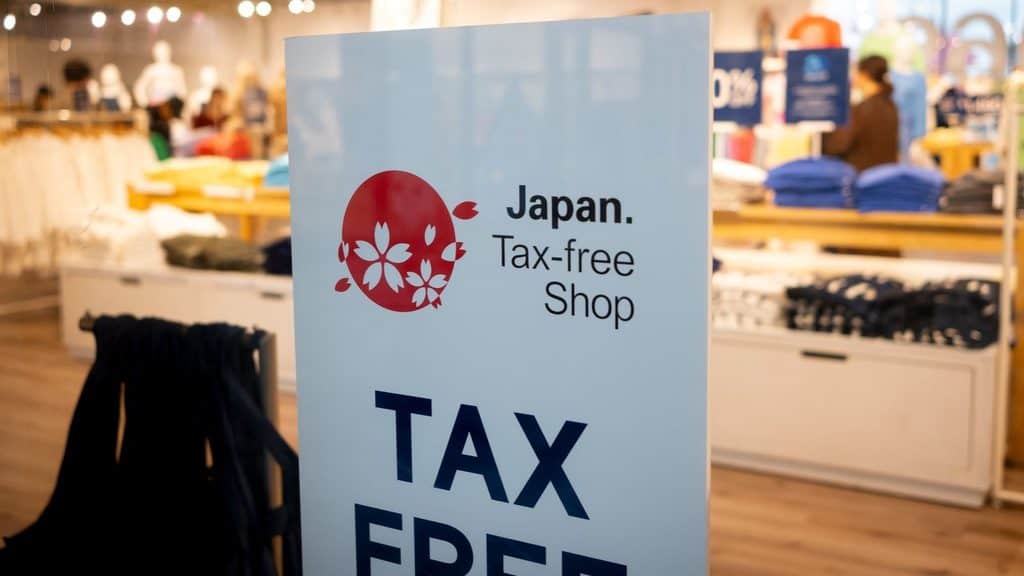
The change replaces the current system, which lets visitors buy qualifying goods tax free. The Japan National Tourism Organization outlined the revised process in its July 2026 guidance.
How Japan’s new tax-free shopping system works
Under the current system, tourists show their passports at participating tax-free shops and receive the tax benefit at checkout. From Nov. 1, shoppers will pay the tax-inclusive price first. They must then present their purchases at their departure airport or seaport for customs confirmation. Once customs confirms that the goods are leaving Japan, the tax-free shop or its refund provider can issue the equivalent consumption-tax refund.
The minimum purchase threshold remains 5,000 yen before tax at the same participating store on the same day. However, meeting that amount alone does not guarantee a refund. The shopper must qualify for the program, purchase eligible goods and take those goods out of Japan. JNTO’s new tax-free shopping guidance explains the revised procedure, which includes the customs check and the documents travelers should keep available.
The change also simplifies some rules. Japan will eliminate separate categories for general goods and consumables, as well as the special sealed-packaging requirement for consumable purchases. Travelers can buy qualifying food, beverages and cosmetics without the special packaging, but they cannot consume or use those goods in Japan and still claim the tax refund. Gold and platinum bullion, as well as goods already exempt from consumption tax, are excluded.
Travelers should rethink their shopping plans
The biggest practical difference is cash flow. Visitors who are used to seeing the tax savings immediately will now need to cover the full checkout price and wait for the refund process. That matters for travelers who make several purchases or shop near the end of a trip.
For example, a qualifying item priced at 11,000 yen with 10% consumption tax included would cost 11,000 yen upfront. If the purchase qualifies and the traveler completes the required procedure, the tax-equivalent amount would be about 1,000 yen, which brings the final cost to roughly 10,000 yen before any refund-provider fees. The actual amount and timing depend on the purchase and the retailer’s refund arrangements.
The new system also makes departure planning more important. Travelers must complete the procedure before checking in their luggage because customs may require them to present their purchases. Japan’s tourism agency advises visitors to keep their passport, receipts and tax-free goods accessible and to allow enough time for any inspection. If a traveler cannot produce an item from a transaction, the goods associated with that purchase record may not qualify for the refund.
At major international airports, including Narita, Haneda and Kansai, travelers may complete the initial procedure through Visit Japan Web in designated departure areas. However, customs may still require an in-person inspection. Travelers should check the latest airport instructions and their retailer’s refund arrangements before departure.
Which Japanese souvenirs are worth planning for?
The new rules do not mean visitors should skip shopping. They simply make it more useful to plan purchases around what is eligible, what can travel home safely and what the trip budget can accommodate upfront.
Travelers wondering what to buy in Japan can look beyond the usual tourist keepsakes, from locally made crafts and beauty products to everyday items that are harder to find elsewhere. Food lovers can also browse popular, tasty food souvenirs for edible gifts and regional specialties.
Food purchases need a little extra thought. Packaged snacks, sweets and other food gifts may be eligible if they meet the program’s requirements, but anything consumed before departure will not qualify for a refund. Travelers should also consider whether they can carry their purchases out of Japan and meet their home country’s entry rules. A product’s eligibility for Japan’s tax-free program does not automatically mean it can enter another country without restrictions.
Explore beyond the usual shopping stops
Japan’s shopping appeal extends well beyond its biggest cities. Travelers who want to pair souvenir hunting with a broader itinerary can explore Japan beyond Kyoto and Tokyo, where smaller cities and regional destinations offer different food traditions, crafts and shopping experiences.
Staying connected can also help travelers find store information, check transportation and review departure instructions on the go. A good eSIM can help visitors compare connectivity options before the trip.
What to remember before the change
Japan’s revised system keeps the tax-free benefit for eligible international visitors, but changes when shoppers pay and how they receive the savings. The new process links refunds to customs confirmation that purchases leave the country, addressing concerns about goods bought tax free and then resold or used domestically. The simplest way to avoid surprises is to treat tax-free shopping as a refund to arrange before departure, not a discount to count on at the register.
William is the content creator and YouTuber behind Going Awesome Places, an award-winning travel brand that focuses on outdoor adventure and experiential travel through his website, YouTube channel and social media. Best known for his detailed itineraries and travel guides, his content has been trusted by travelers around the world.