
Some people can clear a whole plate of fried food, while others tap out after a few bites. The reason may have less to do with appetite than with how your tongue reads fat. On National Greasy Foods Day, Oct. 25, every crispy bite doubles as a small experiment.
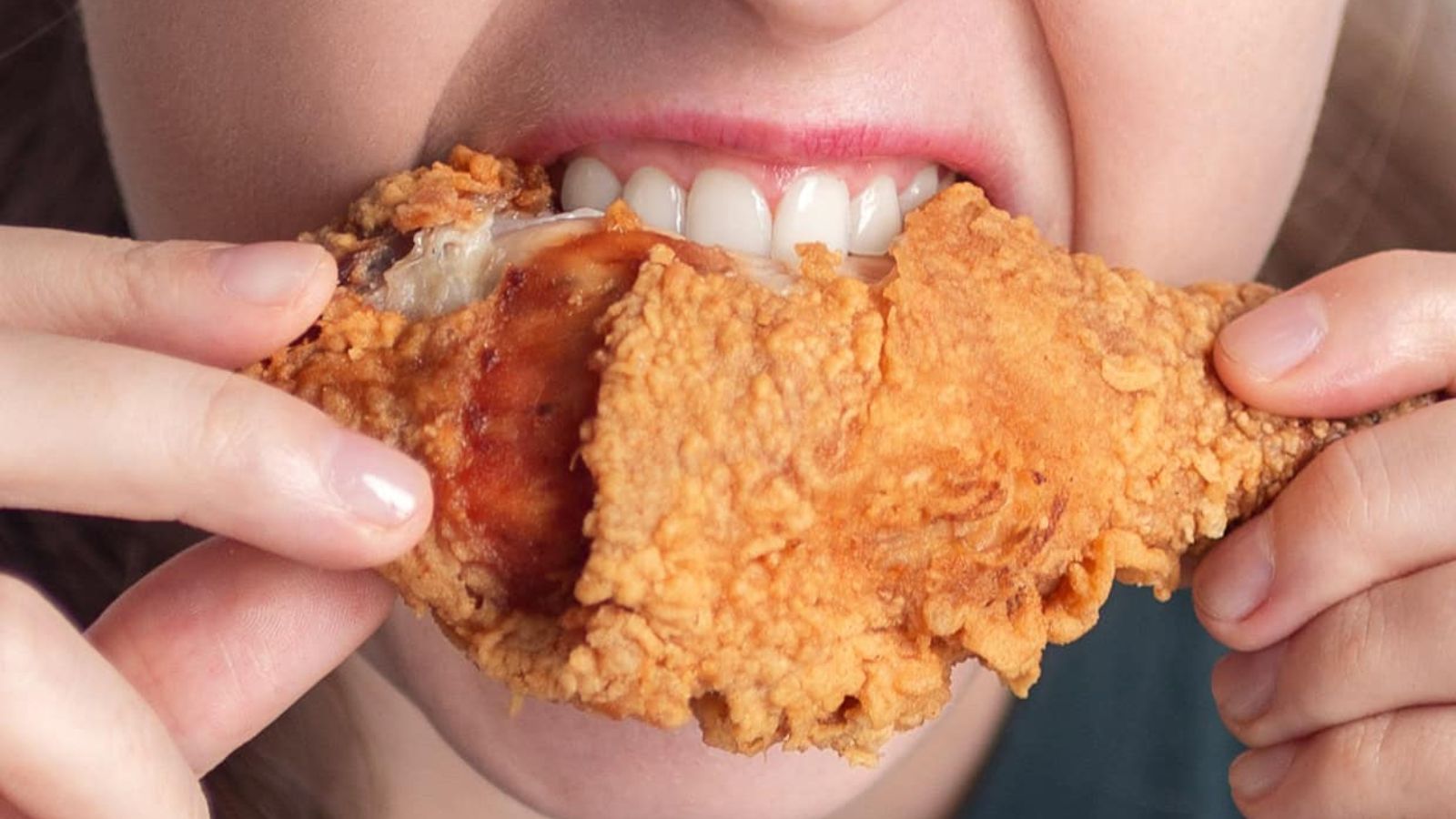
That test isn’t limited to fried chicken. It works just as well with fries that go soft within minutes or a cheeseburger with grease soaking through the wrapper by the time it reaches the table. Neither food stands out much without its coat of fat. The draw is the layer of oil clinging to each bite, a sensation separate from everything else in the mouth.
A taste with its own name
In 2015, researchers at Purdue University named that sensation. Nutrition scientist Richard Mattes and his colleagues asked 102 people to sort a series of unmarked solutions by taste, controlling for smell and texture so participants judged only the taste itself. Participants first grouped the fat samples with bitter, but once umami joined the mix, the fat samples split off into their own category.
Mattes and his colleagues proposed a name for the finding: “oleogustus,” from the Latin for oily and taste. The study proposed it as a possible sixth basic taste alongside the five long-established ones, a list that hadn’t grown in decades.
The discovery lines up with how fried chicken actually tastes. Mattes has described fatty taste on its own as unpleasant, explaining that in concentrated form it functions less like flavor than a warning not to eat whatever produced it. Panelists recoiled at the undiluted concentrations researchers tested, exactly because of that reaction.
The picture changes, Mattes has said, at the low concentrations fat typically reaches once it’s part of a dish, where it adds to the appeal instead of working against it. That contrast, unpleasant alone and appealing in small amounts, helps explain why so many recipes, such as buttermilk fried chicken, are so hard to resist.
Some people feel it more
Not everyone registers fat’s taste the same way, according to researchers at Washington University in St. Louis, who identified a receptor on the tongue called CD36 that helps detect fatty acids. People who produce more of the protein were eight times more sensitive to fat than those who produce about half as much, and researchers estimate that up to 20% of people carry a gene variant linked to lower CD36 production, which may make them less sensitive to fat. This variation helps explain something many people have noticed without ever naming it: one person can polish off a basket of onion rings, or a plate of air fryer twisted bacon, with little reaction, while someone else is satisfied after a handful.
The same researchers tested what happens when they block fat detection outright. Participants who took orlistat, a weight-loss drug that interferes with fat digestion, had a harder time identifying fat in solution, but only when the fat was in the form the body must first break down. When the fat was already in its simplest form, they detected it just as easily as before. The finding suggests the tongue reacts differently depending on fat’s chemical form, not merely whether fat is present. Some people’s bodies also pick up on it far more easily than others.
Not everyone agrees it counts
Even among food scientists, oleogustus has not settled the argument. Whether fat qualifies as an official taste depends on how researchers define the category, and the comparisons that followed its discovery were not flattering: one widely read piece compared the debate to Pluto losing its status as a planet.
Danielle Reed, a researcher at the Monell Chemical Senses Center, has pointed out that fat’s taste can be confused with its texture, which is part of why it took so long to isolate and name. Bitter alone involves roughly two dozen separate receptors that the brain still files under one single taste, a reminder of how much gets compressed before any sensation reaches conscious awareness.
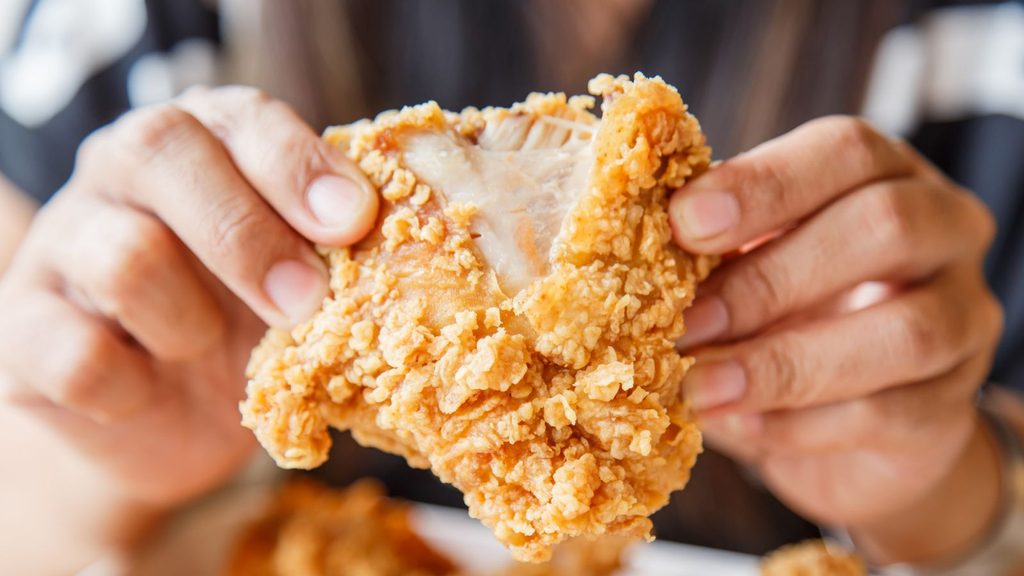
Umami faced a nearly identical delay. Decades passed between its first proposal and its broad scientific acceptance as a basic taste. The same pattern, a slow climb from proposal to acceptance, may explain why so few people realize fat works the same way bitterness or sweetness does, even though they taste it several times a day.
The science keeps moving
Genes aren’t the only variable researchers are studying. A 2024 review co-authored by a University of Burgundy researcher in France found that obesity, not just genetics, appears to blunt fat-taste sensitivity in some people, though the human findings are still mixed. More than a decade in, that leaves the newest basic taste only partly mapped, one more reason a strip of bacon can taste like more than the sum of its ingredients.
Mandy Applegate is the creator behind Splash of Taste and seven other high-profile food and travel blogs. She’s also the co-founder of Food Drink Life Inc., a unique and highly rewarding collaborative blogger project. Her articles appear frequently on major online news sites, and she always has her eyes open to spot the next big trend.