
Candy corn still rules the shelf, but canned pumpkin filling and stuffing mix have already muscled in beside it, two holidays crammed into a few feet of aisle. To anyone wheeling a cart past, it looks like stores can’t wait to cash in on the next holiday before this one ends. Shoppers made that call well before the season began, and stores are only now catching up.
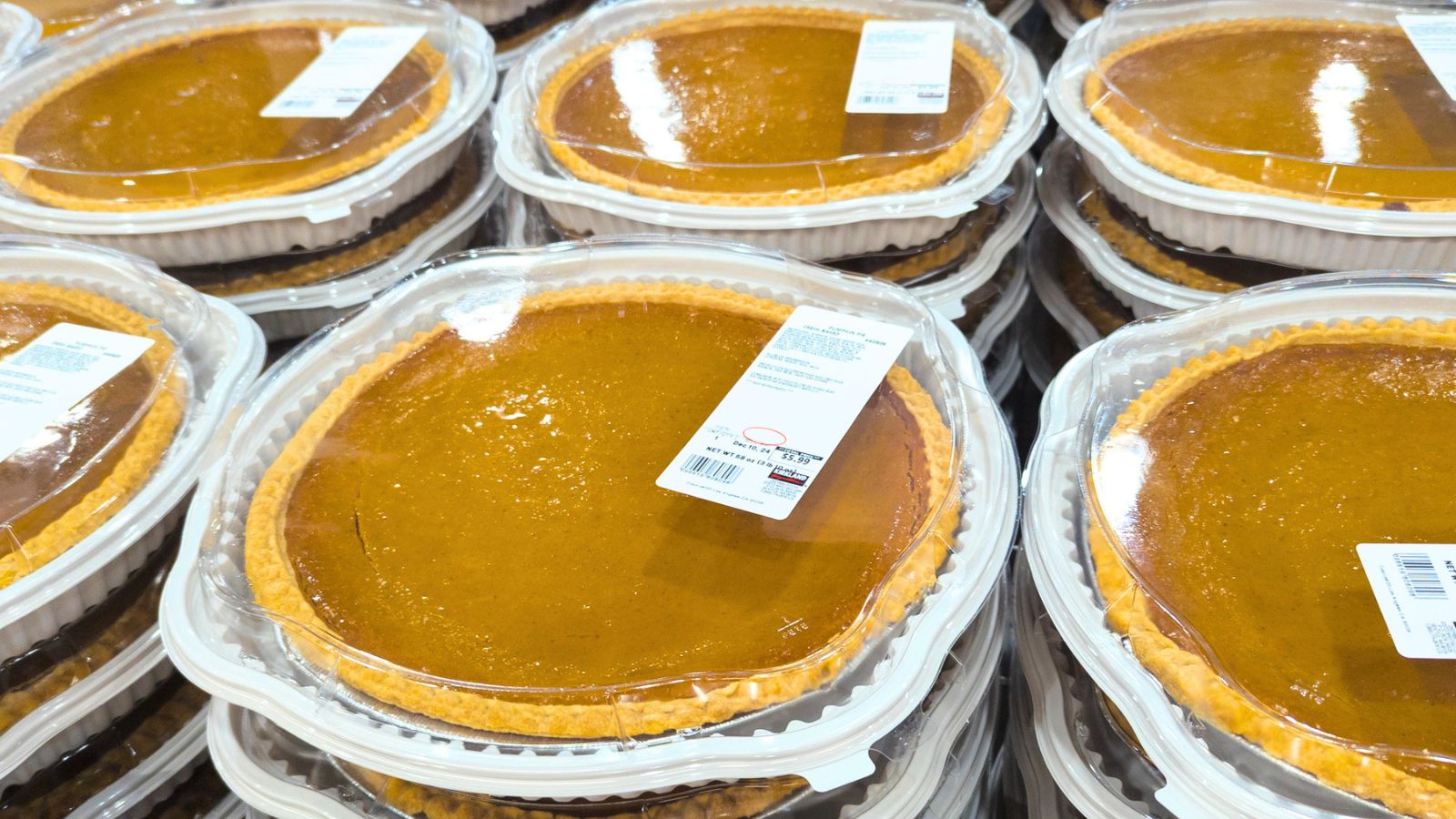
Retailers typically plan seasonal sets months in advance, watching how early shoppers buy and stocking the shelves to match. By the time a shopper notices stuffing mix next to candy corn, that layout has long been settled.
A survey this fall quantified the pattern: 49% of shoppers now plan to start their Halloween shopping in September or earlier, up from 34% in 2016. That is roughly 1 in 2 shoppers deciding to buy before October even begins. Grocery buyers appear to be responding to a real change in when their own customers are ready to spend, a pattern that has been building for a decade, rather than guessing at seasonal timing.
Many shoppers plan to start early
Budget is only one reason shoppers start early, and a full breakdown matters to grocery buyers. Among shoppers surveyed who start before October, 42% say they are simply looking forward to fall, and 34% call Halloween one of their favorite holidays outright. The rest point to logistics: 23% are spreading out what they spend over more weeks, and 21% are chasing good prices while they last.
Shoppers’ reasons have little to do with a store’s shelf plan. They describe a shopper already leaning toward Halloween before a single display went up, exactly the behavior a grocery chain is trying to meet rather than create.
Retailers keep pace
Other retailers, not just grocery chains, are moving just as early this fall. Amazon ran its Prime Big Deal Days on Oct. 6 and 7, a sale window that serves as an early, unofficial start line for holiday deal-hunting well before Halloween, with deals opening at 12:01 a.m. Pacific time on Oct. 6.
Katherine Black, a partner at Kearney who leads its food, drug and mass retail practice, said last year that economic uncertainty and higher prices are pushing shoppers to seek out early promotions. She also said a shorter stretch between Thanksgiving and Christmas could mean fewer impulse purchases. She also added that Black Friday and Cyber Monday have never been more important to retailers.
A separate survey cited in that same report found that 44% of shoppers planned to start earlier than usual, four percentage points more than the year before. The same pattern holds whether a year’s calendar is tight or not: the earlier a shopper starts looking, the earlier a store must be ready to be found.
The calendar never sits still
Thanksgiving’s exact date creates its own pressure to start early. It falls on the fourth Thursday of November, so the stretch before Christmas can run anywhere from 27 days to 33 days, depending on where that Thursday lands. This year it comes to 29.
Buying calendars are generally built around the short end of that range, since no one knows which version of the calendar is coming until it arrives. That habit, more than any single year’s date, is a big part of why seasonal shelves move earlier than the calendar strictly requires.
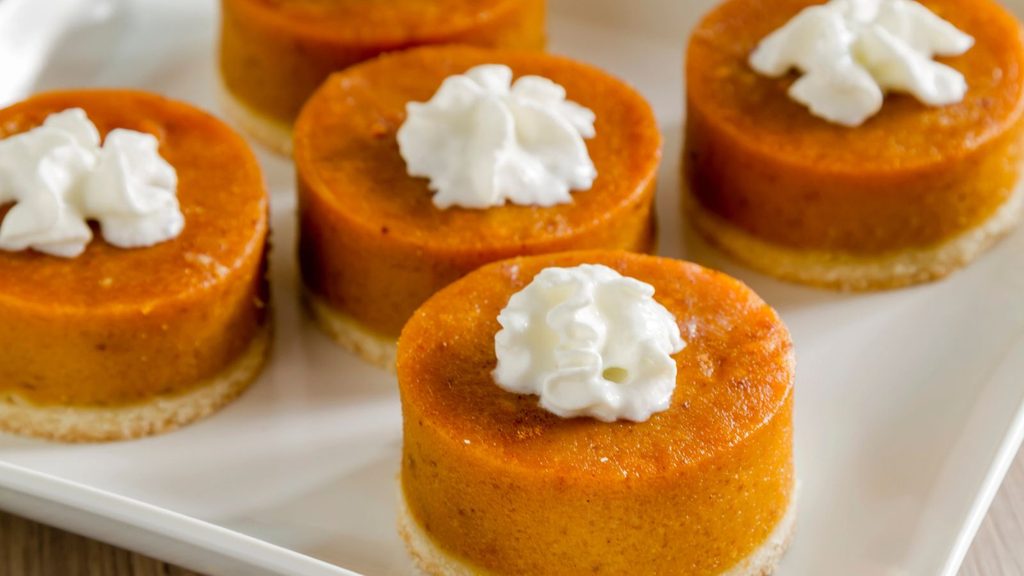
Halloween grows, too
Halloween keeps growing even as Thanksgiving displays start showing up earlier. The same survey puts spending at a record $13.5 billion this year, with participation holding steady at an already high share of shoppers.
Candy remains the one category almost no one skips, and costumes and decorations both see wide buy-in, enough that outfitting a pet for the holiday has grown into its own line item worth hundreds of millions of dollars. That is why grocery chains add Thanksgiving items beside Halloween’s instead of after it, keeping both at full strength on the same shelf rather than clearing one out to make room for the other.
What the early spending adds up to
Shoppers in this year’s survey planned to spend $115.14 per person on Halloween, up slightly from $114.45 last year. That money leaves a wallet well before Thanksgiving gets its own budget, let alone Christmas. Whoever stands in that aisle choosing between candy corn and stuffing mix is choosing how early two holidays’ worth of spending gets split apart.
Mandy Applegate is the creator behind Splash of Taste and seven other high-profile food and travel blogs. She’s also the co-founder of Food Drink Life Inc., a unique and highly rewarding collaborative blogger project. Her articles appear frequently on major online news sites, and she always has her eyes open to spot the next big trend.