
Oatmeal has spent decades in one predictable role: a warm bowl eaten before 9 a.m. and sweetened with brown sugar or berries. The same grain now turns up in savory dinner bowls, protein-packed breakfast pouches and cookies that skip wheat flour altogether. One pantry staple reworks three separate meals at once.
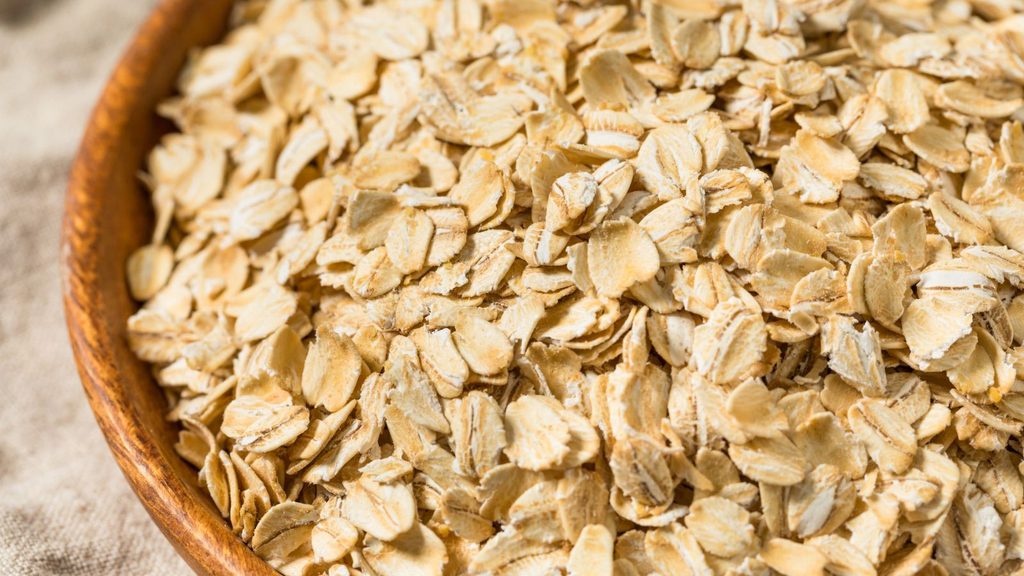
A bag of rolled oats is cheap, lasts for months and softens into almost any texture a cook wants, from thick porridge to a binder in meatballs. That versatility used to stay mostly out of sight, where cooks folded it into granola bars or baked it into muffins without much attention.
Lately, oats are moving to the center of the plate, too. Cooks are cooking oats low and slow in broth instead of water, grinding them into flour for cookies and bread and seasoning them with garlic or chili the way they might season rice or potatoes. The oats still taste like oats through all of it. The same principle holds at home. A pantry stocked with oats for breakfast does not need a separate specialty ingredient for dinner or dessert.
One entrant turned seasoned oats into a shelf-stable breakfast built around savory flavors rather than the usual sweet profile. Another repackaged oats as a protein-forward pouch meant for any time of day, not just breakfast. A third skipped the bowl entirely and went with a frozen waffle instead. Three different formats, all oat forward, all on display at the same event.
Breakfast still gets a rework
Breakfast is where oats changed first, and the change hasn’t stopped. Traditional overnight oats and baked oatmeal, oats baked in a dish with milk, eggs and melted butter, then cut into squares, now share shelf space with a protein-heavier version built for people who want more fullness than a granola bar provides before lunch.
A newer pouch blends pea, pumpkin and hemp protein with maca, flax and chia into the oats themselves, then packages the mix into travel-ready pouches in flavors like cacao coconut and banana bread rather than plain oats and brown sugar. It still looks like a bowl of oats. The real difference is a build meant to be eaten standing up, not sitting down with a spoon and a napkin.
A waffle is the frozen version
Oats are also appearing somewhere colder, in the freezer aisle, in a format built for mornings with no time to cook. A dairy-free waffle mixes oat flour, rolled oats, chickpea flour, ground flax and chia seeds, then stays gluten free, turning up in flavors like banana chocolate chip and apple cinnamon instead of the plain version most grocery freezers stock. Two of the waffles provide 7 grams of protein and 9 grams of fiber.
A bowl of oats still needs a spoon and a few spare minutes. A waffle needs only a toaster, and that format change, not the oats themselves, makes the real difference. The waffle still relies on the same oat base as any other version, just adjusted for a faster morning.
Dinner is where oats get savory
The biggest change happens at dinner, where home cooks increasingly treat oats like rice. Some simmer steel-cut oats slowly in broth, like they would rice for a risotto, then fold in wild mushrooms and pears at the end instead of the usual parmesan. Others use rolled oats as a coating for chicken or fish instead of breadcrumbs, pressing them on before baking for a real crunch.
The packaged side of the business is catching up to the same idea, even though it still markets itself mainly as breakfast. A savory, entirely plant-based version, built from oats, quinoa and puffed rice rather than oats alone, is seasoned like Korean rice porridge, with garlic, miso, tamari, dried wakame, a touch of coconut sugar, furikake, sesame seeds and scallions. It’s built to approximate a dish that traditionally takes hours to simmer from scratch. One write-up called the flavor profile just as satisfying as a plate of eggs and breakfast sausage.
Dessert leaves wheat flour out entirely
Dessert is the least expected stop, but bakers are making it anyway. Most traditional oatmeal cookie recipes still rely on wheat flour for structure, with the oats added almost as an afterthought.
One recipe skips wheat flour altogether, instead toasting the oats whole, then grinding half of them into a flour-like texture while leaving the rest intact. The result tastes more distinctly of oats, with a crunchier, chewier bite than a wheat-flour version produces.
The change sounds small, half the oats ground down instead of a bag of flour, but it turns a cookie that happens to contain oats into one built around them. Wheat does not even make the ingredient list. Cookies keep finding new formats elsewhere too, like a batch of air fryer oatmeal raisin cookies made without a conventional oven.
Protein and fiber back up the flavor
The savory, Korean-style version of oats is not just a flavor experiment. The product has 8 grams of protein and 4 grams of fiber per serving, numbers closer to a real dinner than a novelty bowl. It is also sold as fast, instant oatmeal packets, proof that the dinner version asks for no more effort than breakfast ever did.
What really changed is the rule
What’s really changing isn’t the grain, but the rule that decides what counts as breakfast. If a cheap bag of oats can move from a sweet morning bowl to a savory dinner plate without losing what makes it oats, the old lines between meals were never as fixed as they seemed. That leaves room for cooks to ask what a food can do, not just what it has always been for.
Jennifer Allen is a retired professional chef and long-time writer. Her work appears in dozens of publications, including MSN, Yahoo, The Washington Post and The Seattle Times. These days, she’s busy in the kitchen developing recipes and traveling the world, and you can find all her best creations at Cook What You Love.