
The American happy hour is getting reinvented, and the new version tastes nothing like the old one. Mini pours built with kitchen-forward ingredients are arriving paired with a deliberate bite, a combination the industry has started calling “the snacktail.” Fewer Americans drink than at any point since 1939, and the glass that replaced the old one is smaller and comes with company.
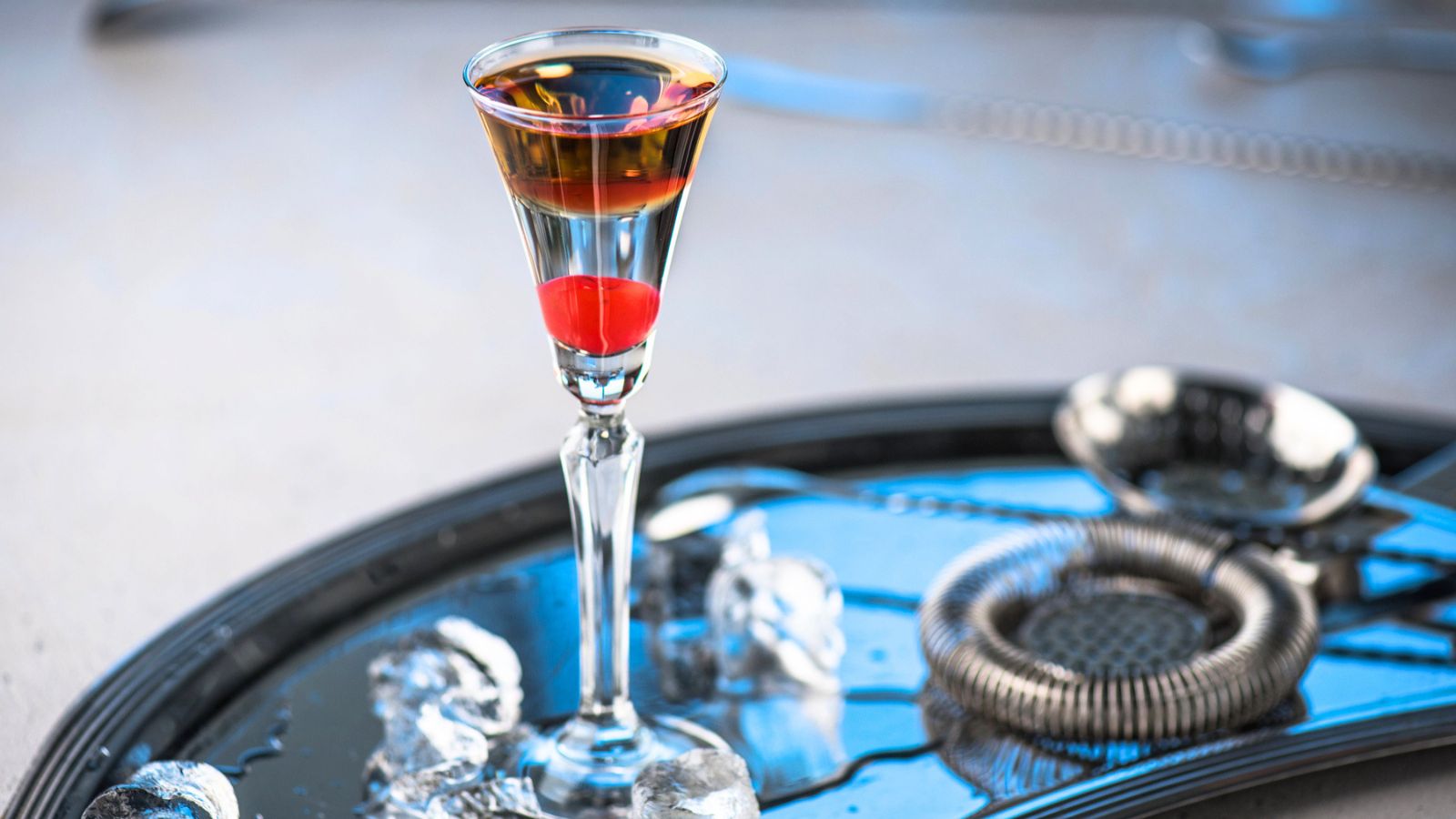
For generations, happy hour was one of the most reliable parts of the American workday. The drink was full size, the food was secondary and the point was to decompress with something cold in hand before heading home. They ordered a beer or cocktail with fries or wings, and that was the whole arrangement.
What many bars offer now operates on a completely different set of assumptions. The pour is deliberate, the bite beside it was chosen on purpose and the two are meant to work together in a way that a standard round and a basket of fries never attempted.
The glass got smaller
More than 1 in 3 Americans 21 and older who drink say they are consuming less alcohol than they were a year ago, citing reduced desire, health concerns and cost as the top reasons. Only 54% of U.S. adults drink at all, matching last year’s figure and the lowest in Gallup’s records dating to 1939, down from 62% in 2023. At the same time, 2026 beverage trend reports point to smaller pours, with mini cocktails offering variety, less alcohol per drink and a playful way to discover new favorites.
The drink that learned to eat
Bartenders reach for ingredients more often found in a restaurant kitchen than in a bar program. Miso, MSG and shoyu are appearing in cocktail recipes, and wine is increasingly used as a mixing ingredient, making drinks taste more layered and savory than a standard spirit-forward build. The vocabulary behind the bar is changing to match.
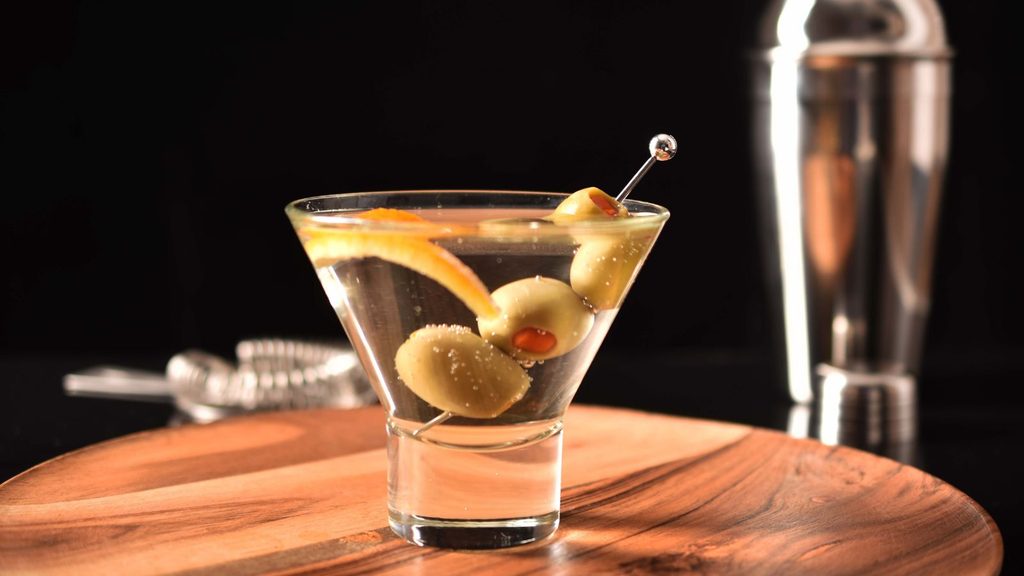
Beverage directors are thinking of the drink and the snack together, already using the term “snack-tinis” to describe martinis served alongside olives, anchovy toast or a potato chip, with the savory bite meant to complement what’s in the glass. In the best versions, neither is quite complete without the other.
Europe got there first
After visiting 31 restaurants and bars across London and Paris, a leading U.S. beverage distributor identified tiny pours and tasting menus as trends heading to the American market, with mini cocktails offering guests variety, less alcohol per drink, value and opportunities for discovery. The tour also found purposeful garnishes and snacks appearing alongside drinks at a range of venues.
Specific examples the team observed included a gourmet strawberry fruit crisp from a pastry chef, white chocolate wafers and freshly baked bread infused with fortified blueberries served beside cocktails. At least at the venues the team visited, the bar snack was treated with the same intention as the drink beside it.
A smaller drink that fills more of the evening
Resy flagged the tiny cocktail as a top trend to watch in 2026, and the appeal goes beyond moderation. Smaller pours let guests try different profiles over the evening, building variety into a bar visit one drink at a time. Beverage professionals predict mini cocktails paired with small bites as a more curated social experience. It follows the same logic as tasting menus in fine dining, trading one large experience for several smaller, complete ones over the evening.
What the numbers say is already happening
Seventeen percent of Americans have swapped a nonalcoholic drink for an alcoholic one in the past year, a sign that more people are rethinking how they drink. Among drinkers who reach for NA alternatives, 38% say they are drinking more of them than they used to.
Meanwhile, the share of drinkers who name liquor as their usual drink has risen from 20% to 32% over the past decade, though beer still edges it out. Fewer people are drinking, and the bar industry is responding with experience-driven formats rather than volume. The mini cocktail is one answer to what that looks like in practice.
Happy hour never stays the same for long
If the snacktail is any indication, the bar industry is done waiting for drinking culture to bounce back. The smaller glass is driving a more food-forward, more considered experience that fits how Americans actually want to spend an evening. It points toward a bar culture that has more in common with a restaurant than the happy hour it is replacing. Whatever the bar industry builds next will probably look nothing like what anyone is ordering today.
Jennifer Allen is a retired professional chef and long-time writer. Her work appears in dozens of publications, including MSN, Yahoo, The Washington Post and The Seattle Times. These days, she’s busy in the kitchen developing recipes and traveling the world, and you can find all her best creations at Cook What You Love.