
Texas pecan growers are bringing in a bigger harvest this year, and from the outside, that looks like good news. Disease fueled by a wetter spring, along with pest pressure, has been chipping away at quality since the trees budded, and a shell can look perfectly fine while hiding a shriveled nut inside. Whether this year’s extra pounds are actually good pecans won’t be clear until growers start cracking them open.
Harvesting a pecan orchard doesn’t look like most fruit picking, since shakers do the work instead of workers climbing trees or picking by hand. Orchards with mowed turf have an easier time of it than orchards with bare, tilled soil, since turf naturally keeps nuts off the ground. Where the floor is tilled instead, growers roll and irrigate the ground to pack it into a flat, hard crust before the shaker ever moves through the rows. Too much water at that stage can crack the crust, and pecans that slip into those cracks stay there once the harvester comes through.
A bigger crop with a catch
An October production forecast puts Texas output at 44.5 million pounds this year, up from 41.6 million last year. That tracks higher than growers expected mid season. In September, Monte Nesbitt, a Texas pecan specialist, put the number closer to 39 million pounds, cautious that disease and late-summer heat could still cut into kernel fill before harvest wrapped.
Disease pressure matters more than the number
The season’s growth comes with a catch, since Nesbitt’s assessment also tied this year’s wetter spring to higher reports of downy spot and powdery mildew in orchards across the state, and that kind of pressure doesn’t always announce itself from the outside. A nut can fill out a normal-looking shell while the kernel inside stays shriveled or malformed, which means neither a grower nor a shopper can always tell the difference just by looking.
Pecan nut casebearer pressure was also above normal this season, adding another layer of risk. The trees demand the most water during the kernel-fill stretch from August into September. Trees budded in late March, and harvest doesn’t start until October at the earliest, leaving a long period when weather can undo months of growth before a single nut hits the ground.
Prices are already reacting to that uncertainty, with some spring lots from the 2025 crop topping $2 a pound and pushing close to $3 a pound by early 2026. According to that same assessment, early harvests out of Georgia and Louisiana, along with East Texas, will help set prices for the rest of the season. Rising fuel and fertilizer costs, plus the extra spraying this year’s disease pressure required, are squeezing grower margins even as prices climb.
Georgia and the national picture
Texas isn’t the only state adding to this year’s harvest. The same forecast put Georgia’s crop at 110 million pounds, essentially flat against last year’s 111.5 million. Lenny Wells, a Georgia pecan horticulturist, says the bearing acreage itself is still in flux, partly because storms took out some trees. That’s one reason Georgia’s number has been harder than usual to pin down this year, with younger trees of newer varieties carrying more of the load as some older Stewart trees underperform expectations.
The same forecast put the U.S. total at 301.3 million pounds nationally, up from about 284 million the year before. That national gain mirrors what’s happening in Texas, where millions of those added pounds still can’t be counted as good until growers open them up.
Even a good kernel doesn’t stay good forever
Whatever growers find once this year’s shells finally crack open, a good kernel doesn’t stay good forever, either. A pecan you crack open today tastes different from one that’s been sitting in a bag since last winter.
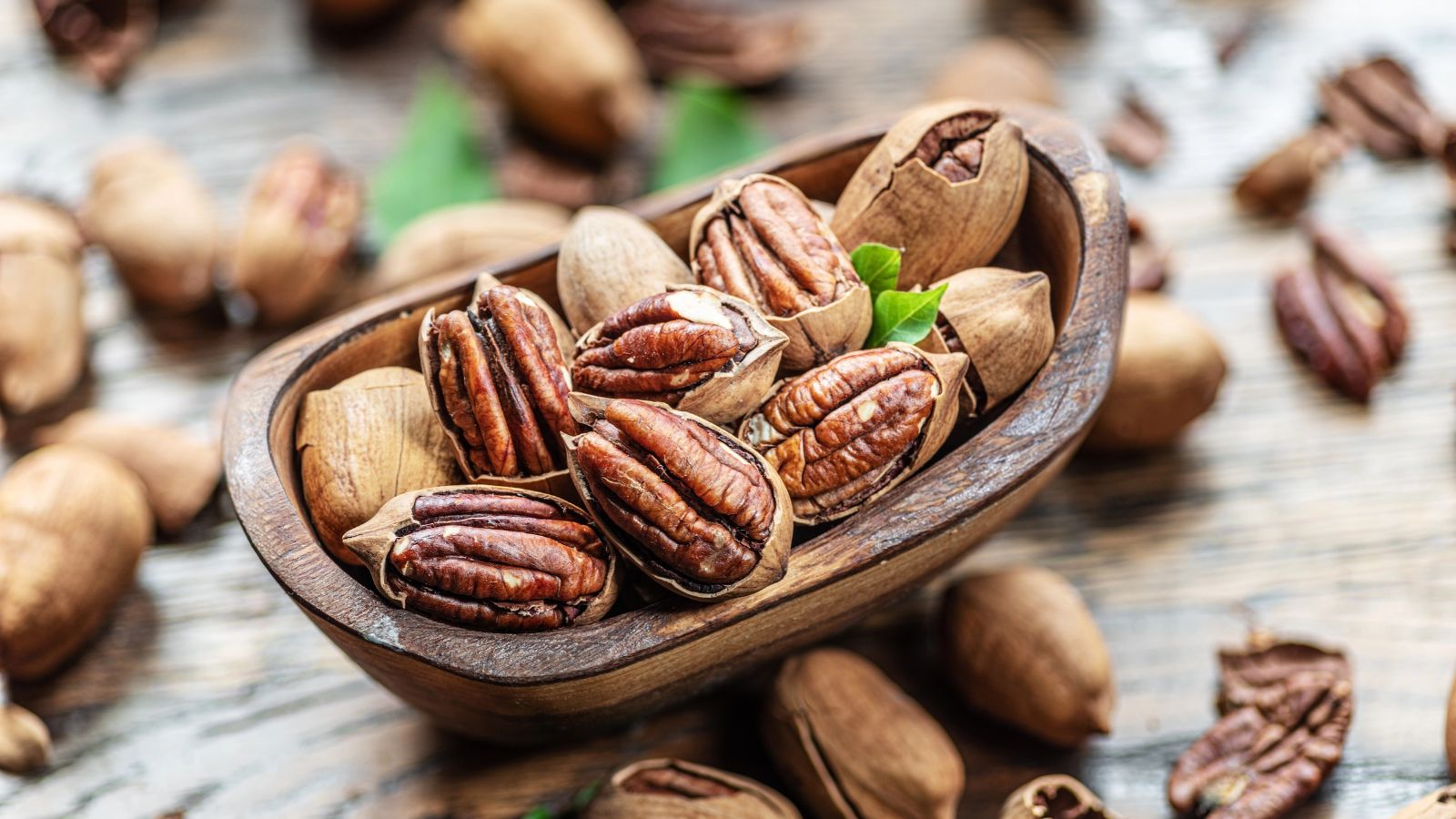
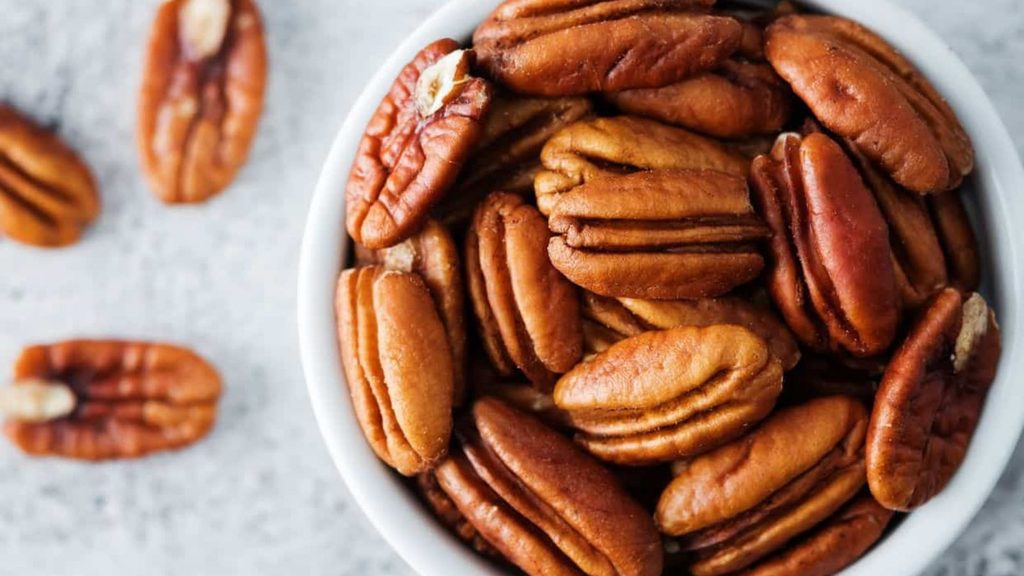
A good pecan kernel runs 73% to 75% oil, and nearly all of that oil, 93% of it, is unsaturated fat, agricultural extension research shows. Linoleic acid drives the oxidation that causes rancidity, and an oil film forms once a shell breaks open and exposes the kernel, which is why that fresh flavor matters even in something as simple as maple pecan granola.
A freezer, not a pantry, keeps this harvest fresh
Extension research on rancidity points to a fix, since temperature determines how long that quality lasts. Shelled pecans kept at room temperature decline within about three months. In a freezer, they hold their quality for two years or more, the same as pecans still in the shell. For anyone buying from this year’s harvest, that decides whether someone eats a bag this week or saves it for pecan pie bars come Thanksgiving.
Jennifer Allen is a retired professional chef and long-time writer. Her work appears in dozens of publications, including MSN, Yahoo, The Washington Post and The Seattle Times. These days, she’s busy in the kitchen developing recipes and traveling the world, and you can find all her best creations at Cook What You Love.