
Some of the foods tied to Thanksgiving are still grown and gathered by the people who have tended them for centuries, and keeping them going takes real work. One growing method nearly vanished from Native communities in the Midwest by the 1930s, and this year’s wild rice season ran into drought and hail. National Native American Heritage Month recognizes the resilience of Indigenous peoples, and Native communities are still showing it, from rice beds to bison herds.
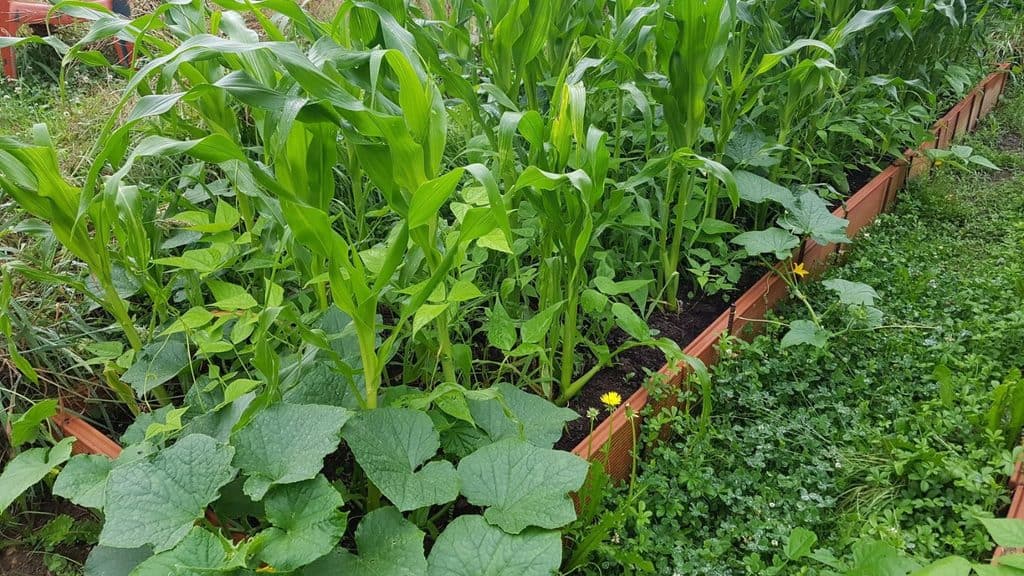
Food in many Native communities is tied to identity, ceremony and family stories, so tending a crop or a herd also preserves that knowledge. Tribes, schools and community organizations keep the work going from season to season, and much of it is done together.
Ojibwe ricers worked through a hard season
“Manoomin,” the Ojibwe word for wild rice, is both food and medicine and is related to Ojibwe cultural identity. For many Ojibwe communities, the wild rice harvest is an important cultural and spiritual time of year.
Minnesota’s wild rice season ran from Aug. 15 through Sept. 30 this year, and harvesting unripe rice is illegal even when the season is open. Drought left lake and river levels lower than normal, and the state advised harvesters to scout waters for canoe access. Tribal members with a valid tribal ID card from a federally recognized Minnesota tribe do not need a state harvesting license.
A cool spell in August slowed the rice’s ripening, and hail on Aug. 20 damaged rice beds on some lakes. Heavy winds also blew ripe rice into the water before it could be harvested. For the Mille Lacs Band of Ojibwe, those losses are part of the natural system, and rice chiefs and resource biologists combine cultural practices with resource management to monitor the beds year-round. On Boy Lake, within the Leech Lake Reservation, a harvester found bare patches on Aug. 26 even though the beds looked full from shore, and still called the day a successful harvest.
Winnebago families harvest corn together
Ho-Chunk Farms reported another successful Indian Corn harvest this year, a tradition that continues in the Winnebago community. Members and employees of Ho-Chunk, Inc., which the Winnebago Tribe of Nebraska owns, work side by side to handpick, husk, blanch and prepare the corn for drying.
People of all ages take part in the harvest and share stories and cultural teachings. The Winnebago Public School Academy grows the corn, and proceeds support educational trips and activities.
The Three Sisters grow in 1 garden
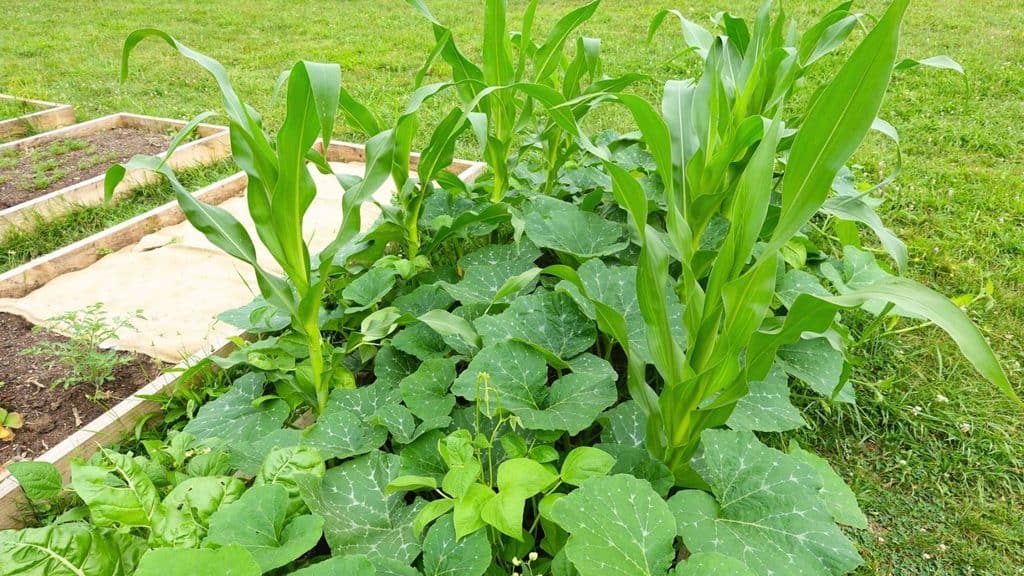
The Three Sisters method grows corn, beans and squash together. Corn grows tall and gives bean vines something to climb, beans fix nitrogen in the soil, and squash spreads along the ground, where its large leaves shade out weeds and hold in moisture. In the Haudenosaunee story, corn, beans and squash sprouted from the body of Sky Woman’s daughter.
Federal policies almost entirely eradicated Three Sisters farming from Native communities in the Midwest by the 1930s, a study built with four Midwestern Native nations found. In the first year of planting, the Three Sisters plots held 54% less extractable soil nitrate than single-crop plots. A two-year field trial in Manitoba found that single-crop plots yielded more of each crop, while the Three Sisters plots produced a higher total yield across all three crops.
“Gete Okosomin,” which means big old squash, is often tied to a tale of 800-year-old seeds found in a clay pot. That story is not true. Gardeners of the Miami Nation of Indiana hand-pollinated the squash to preserve the variety and shared seeds with University of Wisconsin professor David Wrone in the 1990s.
Tepary beans have been cultivated in North America for thousands of years, and the Tohono O’odham have some of the strongest cultural ties to them. A Tohono O’odham myth teaches that white tepary beans were scattered across the sky to form the Milky Way. Farmers grew them widely on the Tohono O’odham Nation until World War II, when many left for the military or for large cotton farms. The Tohono O’odham are now working to bring teparies back into their diet, including school lunches, and Ramona Farms, an Akimel O’odham farm in Sacaton, Arizona, has grown heirloom teparies for more than 40 years.
50 bison return to Badlands range
In October, Thunder Valley Community Development Corporation released 50 bison onto nearly 40,000 acres of range in the Badlands, leased from the Oglala Sioux Tribe on the Pine Ridge Reservation. The animals came from the Wolakota Buffalo Range on the Rosebud Reservation, and close to 300 people watched the release. In Lakota culture, bison are considered relatives, and the project supports cultural reconnection, grassland restoration, education and workforce development.
A month set aside for Indigenous histories and cultures
Native American Heritage Month traces to a 1990 joint resolution that designated November 1990 as National American Indian Heritage Month, and annual proclamations have followed since 1994. That keeps the observance in the same month as Thanksgiving, when corn, beans and squash appear on many tables, all crops Indigenous farmers grew together for centuries.
Mandy writes about food, home and the kind of everyday life that feels anything but ordinary. She has traveled extensively, and those experiences have shaped everything, from comforting meals to small lifestyle upgrades that make a big difference. You’ll find all her favorite recipes over at Hungry Cooks Kitchen.