
Pickle juice shots are headed to convenience stores nationwide, and a neon-green pickle smoothie has appeared on a smoothie shop’s menu. Those pickle products are one option for National Pickle Day on Nov. 14, and a batch made at home is the other. That batch has its own rules, and the calendar is one of them.
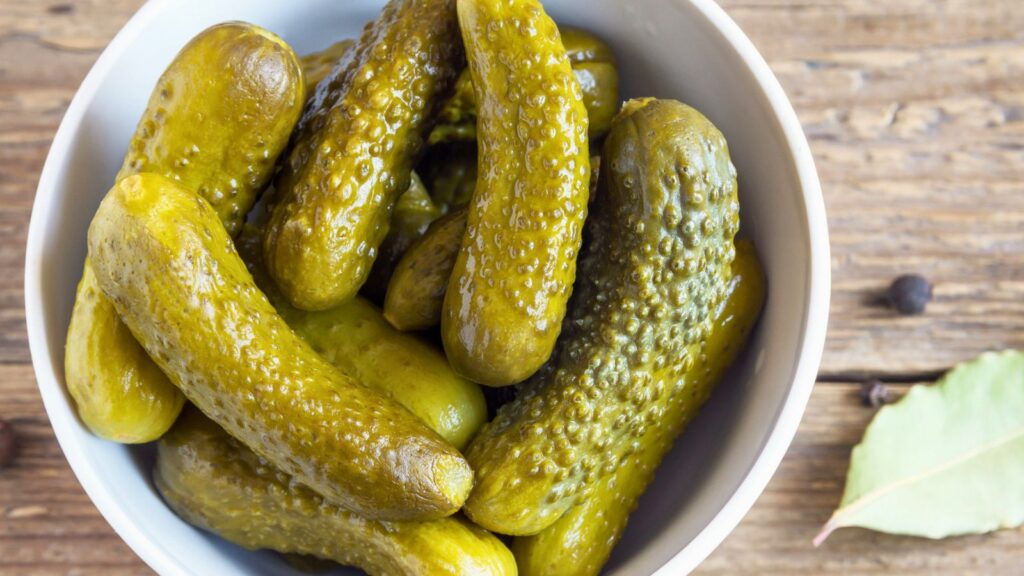
Long before a pickle became a smoothie, archaeologists believe Mesopotamians were pickling food around 2400 B.C. By 1659, Dutch farmers in New York were growing cucumbers in what is now Brooklyn, and dealers bought them and sold them pickled from barrels in the street. Later waves of immigrants to New York, including many Eastern European Jews, introduced kosher dill pickles to America.
A recent menu analysis found a pickle on the prepared food menu at 7,298 of 21,945 U.S. convenience store locations in August, about 1 in 3. Those listings are for pickles made by someone and sold at a counter, not jars on a shelf. The count indicates what stores list on their menus, not what shoppers buy.
Pickle products now reach well past the jar
In June, a deli-meat company introduced pickle snacks. Its announcement named the method as cold packed and cured. In April, a pickle juice shot maker announced more than 3,000 new store placements nationwide, including at convenience retailers.
Coverage of the Connecticut Pickle Festival in September described freeze-dried pickles and candied pickles inspired by tanghulu, along with chamoy-doused pickles and a glittery hot honey pickle on a stick. Pickle hot sauces were plentiful, favoring tomatillos and ghost peppers, and pickle-flavored cupcakes and donuts sat alongside dill pickle beef jerky and pickled eggs.
The offerings also included pickled golden beets, green beans, mushrooms and carrots. The drink menu listed a pickleback, a pairing of whiskey and pickle juice, and a pickle-infused dirty soda with pickle cold foam.
Grocery aisles show the same range. Pickle-flavored potato chips, a salty-sour pickle ice pop, a pickle lager and a neon-green pickle smoothie from a national chain all turned up in June coverage. Bottled shots of pickle juice sit near the checkout line at major grocers, and flavors range from a sweet-and-sour pickle that tastes like candy to a grape-flavored one. Dill pickle seasoning goes on chicken and rice, and honey harissa is one artisanal pickle flavor.
Among U.S. consumers motivated by tradition, the talk has turned toward convenience. Convenient holds 11.5% of the conversation and is up 22% over the past year, while homemade is down 7%. Pickles are made by brining, one of the preservation methods behind traditional snacks on convenience store shelves.
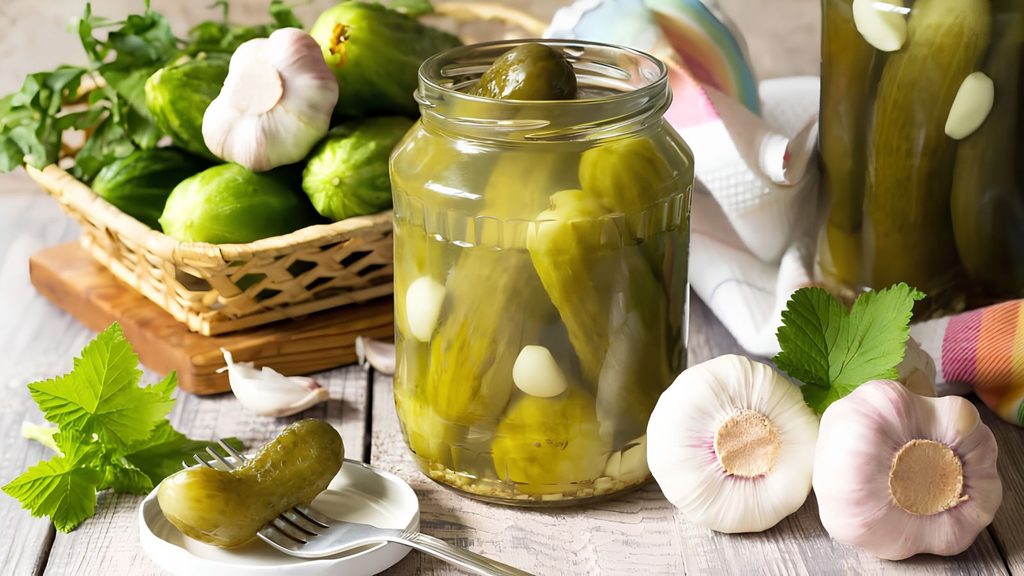
Vinegar and fermentation make different pickles
At home today, people make pickles in one of two ways. A vinegar pickle gets its sourness from the vinegar, and a fermented pickle gets it from bacteria working in salted water. Vinegar for pickling needs at least 5% acidity, and extension guidance warns that weaker vinegar may result in spoilage. Cleaning vinegars are not meant for preserving food.
Quick fresh-pack pickles need no fermentation period and are usually made and processed within a day. However, jars of sweet quick pickles need four to five weeks in storage to develop the ideal flavor.
Fermented pickles follow a much longer schedule, and no vinegar is added. A temperature between 68 and 72 degrees is ideal, and the ferment takes three to four weeks, or five to six weeks below 68 degrees. It is ready when the pH reaches 4.6 or lower and the bubbling stops. Temperatures above 78 degrees can cause spoilage. Canning kills the beneficial Lactobacillus bacteria, while fermented produce can be kept refrigerated for up to nine months.
Vinegar pickles and ferments both call for canning or pickling salt without iodine, which can interfere with fermentation. Extension guidance says never to alter the salt in a ferment or reduce the vinegar in an approved recipe. Vinegar pickles need a thorough wash and a 1/16-inch slice cut from the blossom end of each cucumber. Ferments need a light wash and no vigorous scrubbing, which can remove the bacteria the ferment needs. Cucumbers for a ferment are best used within 24 hours of picking.
The quick pickle makes the deadline
Pickles belong to a wider group of preserved foods. A consumer panel found 1 in 85 U.S. food and beverage consumers now reach for something preserved, up from 1 in 95 a year earlier. A ferment started now would not be ready before Thanksgiving. For a batch aimed at Nov. 14, a quick vinegar pickle is the method that can be made and processed in time.
Mandy writes about food, home and the kind of everyday life that feels anything but ordinary. She has traveled extensively, and those experiences have shaped everything, from comforting meals to small lifestyle upgrades that make a big difference. You’ll find all her favorite recipes over at Hungry Cooks Kitchen.