
Your favorite clothes can lose color, shape and softness because of ordinary laundry choices. Extra detergent, a crowded drum or the wrong heat setting can make a difference. Protecting them starts with a few small habits.
The Care Label You Never Read
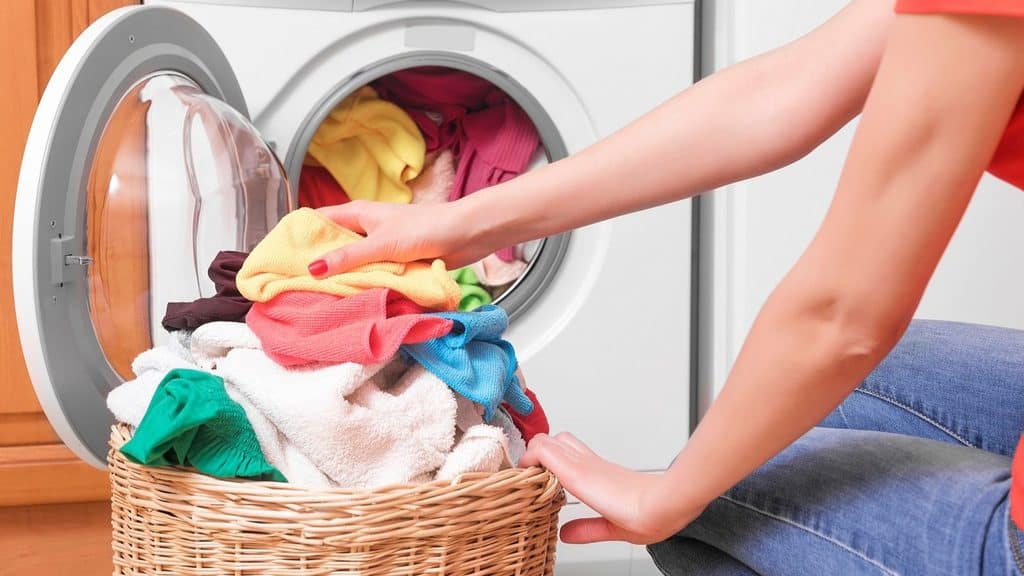
Care symbols tell you how to wash, dry, bleach and iron a garment. They also flag treatments to avoid. Check the manufacturer’s instructions before choosing a hot wash or dryer setting. A quick look can prevent an expensive mistake.
Zippers and Hooks Left Undone
Open zippers and hooks can snag fabric as clothes tumble. Whirlpool recommends fastening them before washing. Use a mesh bag for delicate items when their labels allow machine washing. These steps reduce snags but cannot prevent every pill or pull.
Jeans in the Wash After Every Wear
Levi’s suggests washing jeans about every 10 wears, or sooner if they’re dirty or smell. Turn them inside out and choose cold water. Washing less often and using cooler water can help preserve denim color and limit shrinkage.
A Drum Packed Too Full
Overloading a washer may keep detergent from reaching every garment and can throw the drum off balance. Samsung advises filling a washer no more than about three-quarters full. Check your model’s manual for specific load limits.
Hot Water for Every Load
Hot water helps with certain soils and hygiene needs but can fade colors, shrink cotton and damage delicate fibers, according to LG. Cold or warm water often works well for everyday clothes. Follow the care label before choosing hotter settings.
A Little Extra Detergent
Too much detergent can leave residue on clothes and cause buildup or odors inside the washer. Whirlpool recommends measuring for load size, soil level and detergent concentration. High-efficiency machines also need detergent designed for them.
Chlorine Bleach on the Wrong Fabric
Clorox advises against chlorine bleach on wool, silk, spandex and other sensitive materials. Check the garment’s care label and fiber content first. Don’t assume oxygen bleach is safe for every delicate item; follow the product directions, too.
The Machine You Never Clean
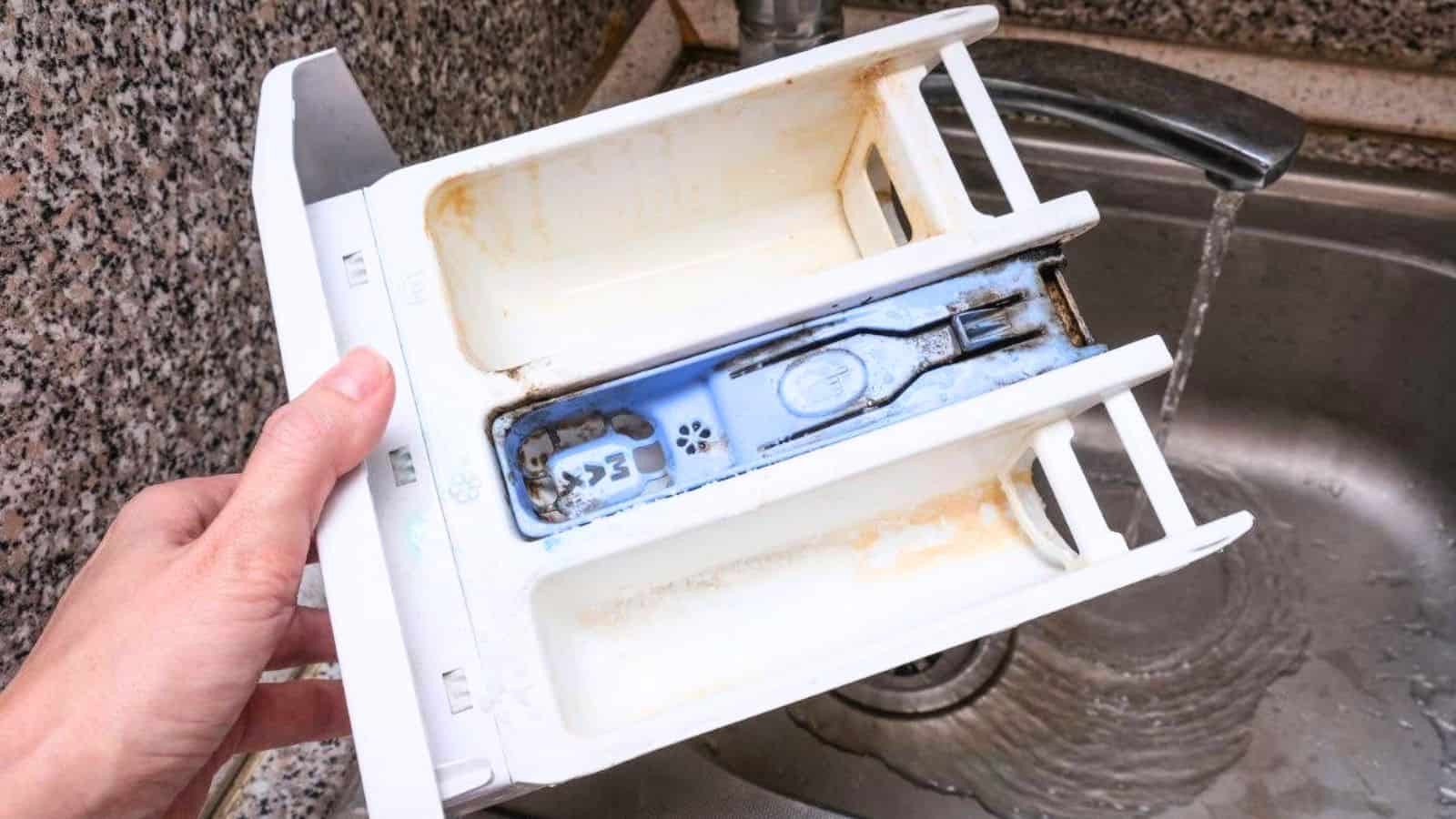
Washers can collect detergent residue and soil, which may cause odors. Whirlpool recommends cleaning the machine at least monthly or about every 30 washes. Follow your model’s instructions for the cleaning cycle and approved products.
The Dryer on High Heat
Whirlpool warns that high heat and overdrying can shrink or damage certain fabrics. Dryer lint includes fibers released during wear, washing and drying, not just damage caused by heat. Use an appropriate lower setting and avoid unnecessary drying time.
Fabric Softener in Every Load
Fabric softener can reduce towel absorbency and affect the moisture-wicking performance of workout clothes, according to Whirlpool. It may also affect certain flame-resistant materials. Check the care label and skip softener when fabric performance matters.
Wet Sweaters Wrung Out
Twisting a soaked sweater can stretch its knit. Whirlpool recommends pressing out water gently rather than wringing hand-knit items. For garments suited to this treatment, roll them in a towel, reshape and dry flat according to the care label.
Colors Line-Dried in the Sun
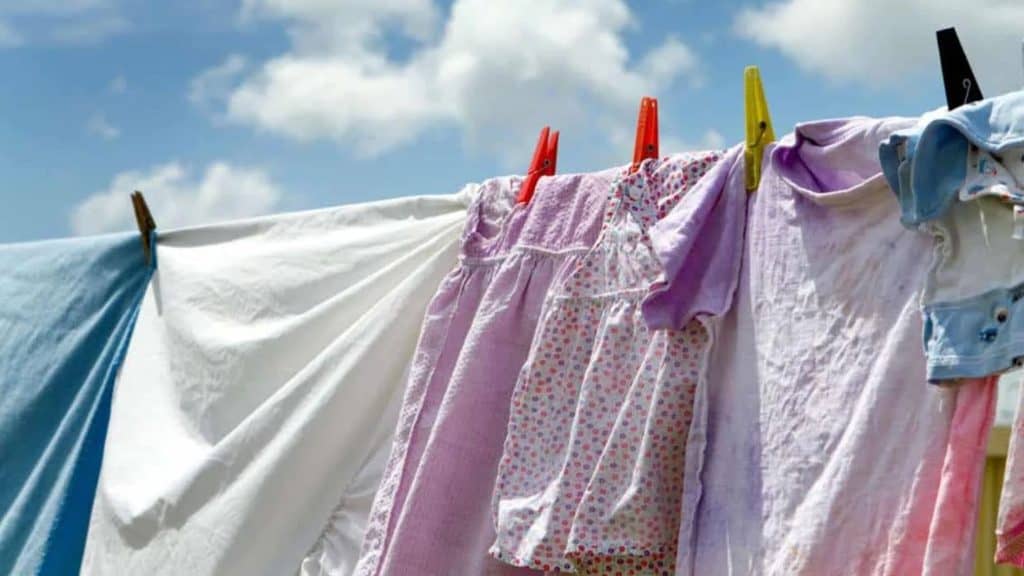
Hours of direct sunlight can fade colored fabrics. Textile-care guidance recommends drying bright items in shade and bringing them indoors once dry. Pick a shaded clothesline or rack for shirts whose color you want to protect.
Stains Hit With Hot Water
Iowa State University Extension warns that hot water can set protein stains such as blood and milk. Start with cold water, pretreat and wash according to the care label. Check the stain before using the dryer.
A Better Routine Starts With the Fabric
One setting cannot serve a bath towel, a pair of jeans and a wool sweater equally well. Checking what each fabric needs before washing can spare you avoidable damage. Clothes reward attention more reliably than a complicated laundry routine.