
Some foods feel like they have been on the American table forever, yet someone invented them within living memory. Your parents may have ordered one when it was new, and your grandparents may remember a time before it existed. Nine of America’s favorite foods are about to lose their antique status.
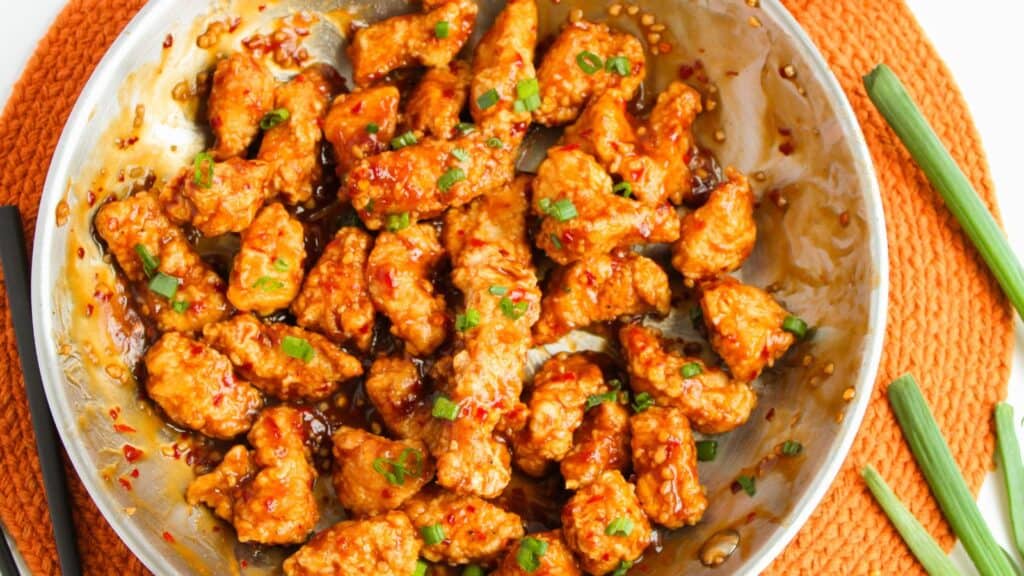
General Tso’s Chicken
General Tso was a 19th-century military leader who never ate the sweet takeout chicken that bears his name. Chef Peng Chang-kuei made an earlier, savory version in Taiwan in the 1950s. Smithsonian says the modern American version took shape in New York in the 1970s, when cooks there added crisp batter and a sweeter sauce.
The California Roll
Sushi has a history that reaches back centuries, but the California roll belongs to modern North America. Its exact maker is disputed, so be wary of giving one chef all the credit. HISTORY dates its popular rise to the 1970s, when avocado and crab helped ease American diners into a new style of sushi.
Restaurant-Style Fajitas
Ranch workers cooked skirt steak long before the restaurant plate, and the familiar Houston version came later. The Original Ninfa’s says Mama Ninfa Laurenzo opened in 1973 and served tacos al carbon that diners came to know as fajitas. Years of restaurant service turned that regional food into a Tex-Mex standard across the country.
The Frozen Margarita Machine
Frozen margaritas existed before the machine that made them fast and steady. Dallas restaurant owner Mariano Martinez changed a soft-serve dispenser for the job and served the first machine-made version on May 11, 1971. His machine later entered the Smithsonian’s collection, and a happy-hour staple grew from a fix for a busy bar.
Blackened Redfish
Blackening may look like an old Cajun method, but chef Paul Prudhomme created blackened redfish in 1979 by coating fish with butter and spices and cooking it in a very hot skillet. Smithsonian says the dish became a worldwide hit. Demand grew so fast that redfish faced severe pressure before fishing limits followed.
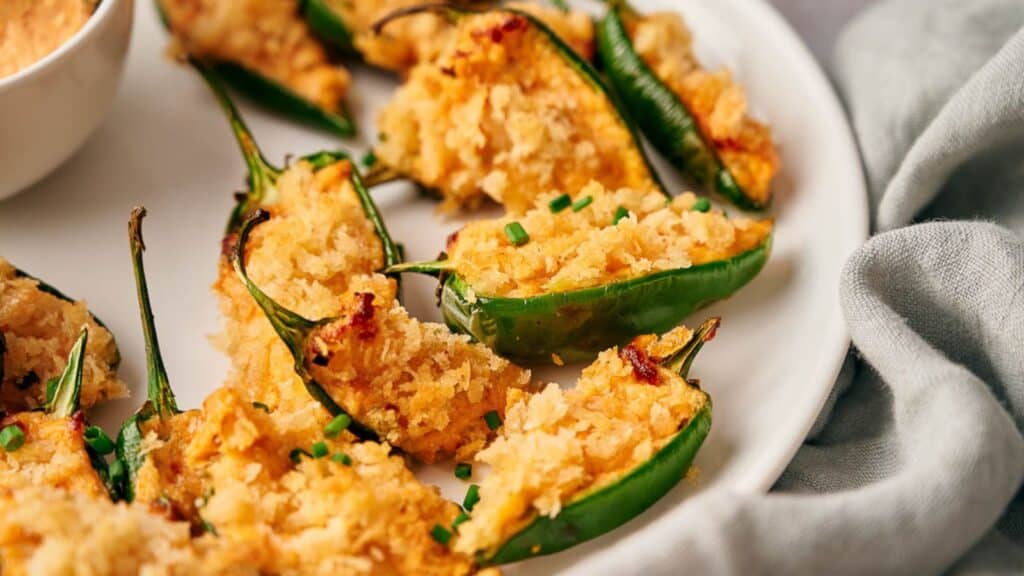
Jalapeño Poppers
Cheese-filled chiles are far older than the bar snack, but the breaded freezer-case popper gained its well-known name in the early 1990s. A federal trademark record lists first use of “Jalapeño Poppers” in January 1992, and Anchor Food Products filed for the mark that April. The record dates the name without claiming stuffed peppers began then.
Deep-Fried Twinkies
Fried fair food feels timeless, but the deep-fried Twinkie appeared in this century. An Associated Press report published by CBS in October 2002 called it an odd new treat and traced it to The ChipShop in New York. Staff there tried frying snack cakes on a slow night before the idea spread to state fairs.
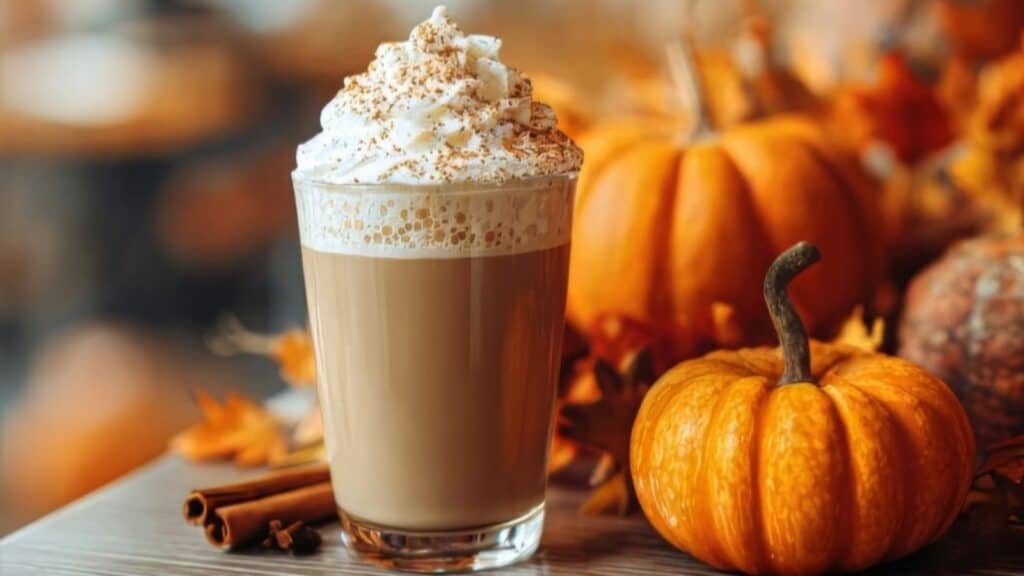
The Pumpkin Spice Latte
Pumpkin pie spice is old, but the yearly coffee countdown is not. Starbucks says it tested the Pumpkin Spice Latte in 100 stores in 2003 and took the drink nationwide in 2004. Social media helped turn it into a sign of fall several years later. The ritual is barely old enough to rent a car.
Dole Whip
Dole Whip can feel as old as the tiki attractions near its counters, but Disney gives it a 1984 birthday. The company says the pineapple soft serve debuted at Aloha Isle that year and reached Disneyland in 1986. Years of park visits helped make the snack feel permanent.
Repetition Makes a Tradition
Food does not need centuries behind it to gain real meaning. Shared habits can form around a restaurant order, a vacation snack, or a seasonal drink in a single lifetime. Origin dates do not make these favorites less real, and they show how fast Americans can adopt an invention, repeat it, and pass it along as part of daily life.