
Flight attendants ask passengers to do plenty of things that seem odd, from raising a window shade to keeping a seat belt buckled under a clear sky, and each request has a reason behind it. Some of those reasons will surprise you, like why the cabin lights dim before landing and whether the airplane coffee is safe to drink. Thirteen tips follow, and one of them may change what you do the moment the seat belt sign goes off.
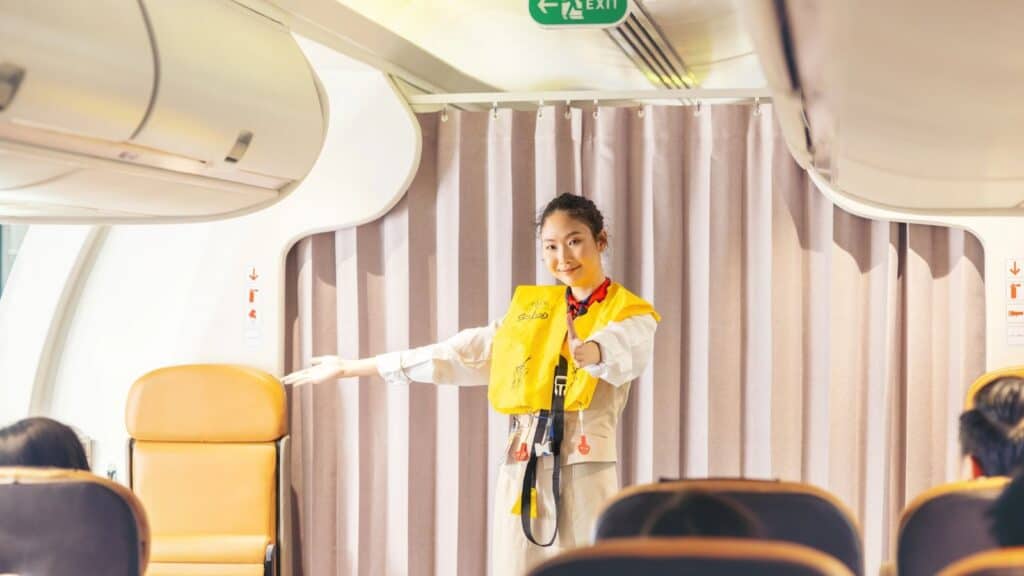
The Cabin Air Can Dry Your Eyes
Cabin humidity commonly drops to 10 to 20 percent in flight. The CDC says that can dry your eyes and airways. Bring lip balm or eye drops if you need them, but don’t mistake dry lips for proof that flying automatically dehydrates you.
The Call Button Is Not a Drink Menu
Sara Nelson, president of the Association of Flight Attendants-CWA, told The Points Guy that the call button is mainly for urgent needs and crew communication, not routine drink orders. Use it when you need assistance, and follow crew instructions during takeoff and landing.
The Safety Demonstration Deserves Your Attention
That familiar demonstration covers the aircraft you are on, not just general flying advice. The FAA tells passengers to listen, read the safety card, and locate exits both ahead of and behind their seats. Count the rows to an exit before you settle in.
Safety Comes Before Snack Service
The drink cart is only one part of a flight attendant’s job. Cabin crews also check the cabin, handle medical and safety concerns, and direct evacuations. FAA guidance asks passengers to listen to flight attendants and follow their directions when time matters.
Dimmed Cabin Lights Have a Safety Purpose
The darker cabin during nighttime takeoff or landing helps your eyes adjust if an evacuation is needed. Senior cabin attendant Anubha Jaiswal explained the practice in a 2026 interview. It is preparation for visibility outside, not a signal that anything is wrong.
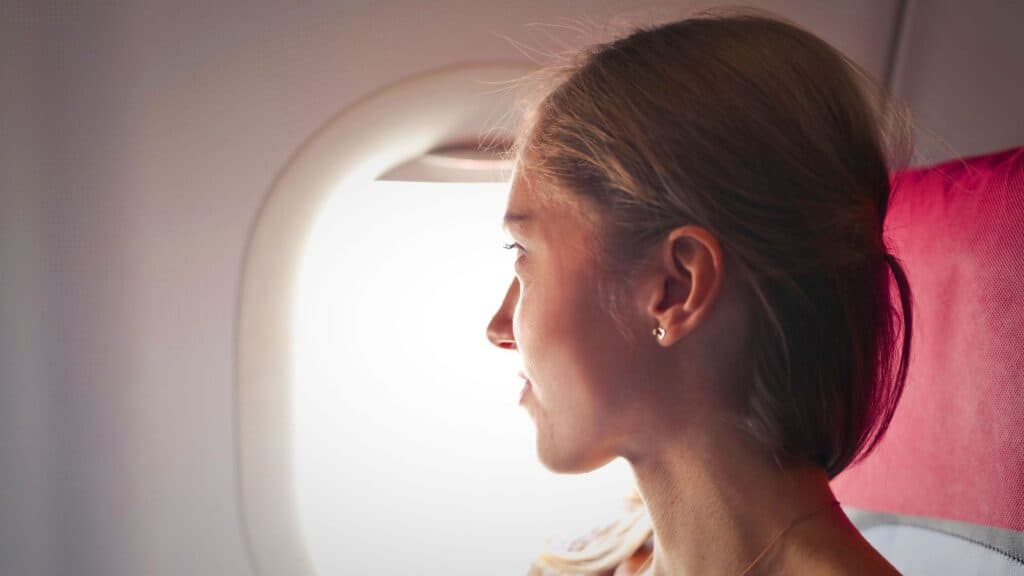
Window Shades Help Everyone See Outside
When a crew member asks you to raise a window shade, visibility is the reason. Open shades can help people see conditions outside the airplane. Policies vary: United told AFAR in 2026 that it encourages open shades but does not require them across the board.
Keep Your Seat Belt Fastened While Seated
Clear skies do not rule out sudden turbulence. The FAA recommends keeping your belt buckled whenever you’re sitting, even if the sign is off. It also explains when passengers must be belted during departure, landing, taxi, and illuminated-sign periods.
Boarding Pay Depends on the Airline
Flight attendants may be working well before the plane leaves the gate, but how that time is paid depends on their agreement. United flight attendants gained boarding pay under a 2026 contract. That makes sweeping claims that crews everywhere board without pay outdated.
Shoes Belong on Your Feet in the Lavatory
A plane restroom is still a shared public bathroom. In an interview with The Points Guy, Virgin Atlantic flight attendant Lezah Cooper warned against going barefoot into the lavatory. Wear shoes rather than assuming a damp floor is just spilled water.
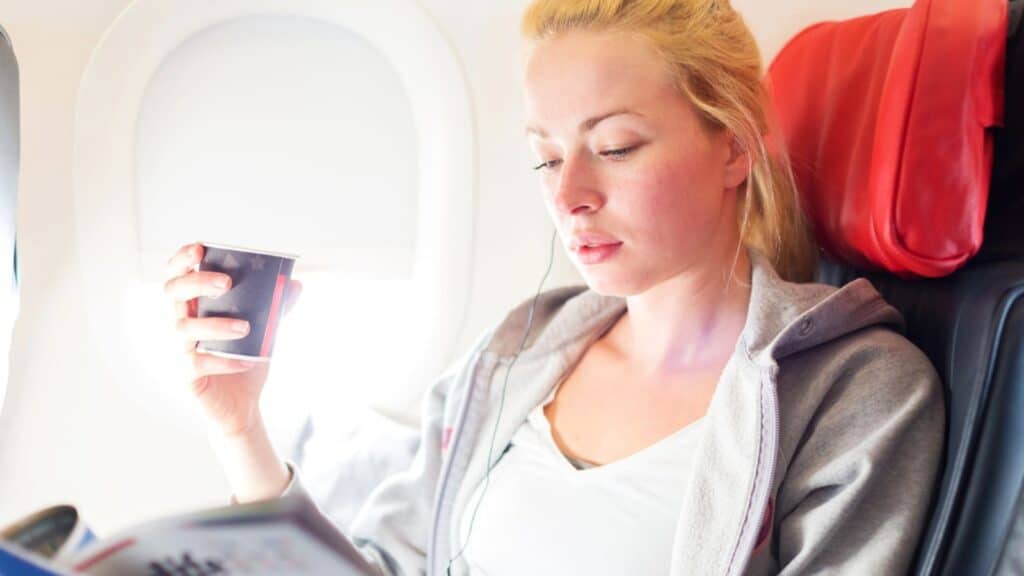
Coffee Water Is Regulated, Not Automatically Unsafe
Stories about dirty aircraft water tanks spread fast. The EPA actually regulates drinking-water systems aboard covered aircraft, including testing and disinfection procedures. If you prefer bottled water, that’s a personal choice, not proof every airplane’s coffee is unsafe.
Chimes Are Crew Signals, Not One Universal Code
Dings can signal passenger calls or messages between the cockpit and cabin. But the sounds and their meanings depend on airline procedures and aircraft. Do not assume three tones always signal danger; wait for an announcement or an instruction from the crew.
Ask About Upgrades Before Boarding
An empty premium seat does not mean cabin crew can give it away. Upgrades usually follow airline rules and queues handled by gate staff. Travel + Leisure explains that attendants may move passengers for limited operational reasons, which is different from awarding a free upgrade.
A Quick Tray-Table Wipe Is Reasonable
Cleaning crews do wipe high-touch surfaces, including tray tables, during many aircraft turnarounds. Still, a personal wipe before eating is a simple precaution. A quick wipe can help you feel better about eating there without assuming the surface has missed its scheduled cleaning.
Small Requests, Bigger Reasons
The easiest way to be a better passenger is to treat a crew request as useful information, not an interruption. You don’t need to know the aircraft’s procedures by heart. Listening when it matters gives trained people the room to do their jobs and helps you make better choices in a cabin shared with strangers.