
Holiday plans feel different when a dog’s plane ticket depends on weather, carrier size and always changing policies. Airline policies can change by route and plane, while border rules depend on the destination and recent travel. Checking each rule early gives pets a safer trip and owners fewer airport surprises.
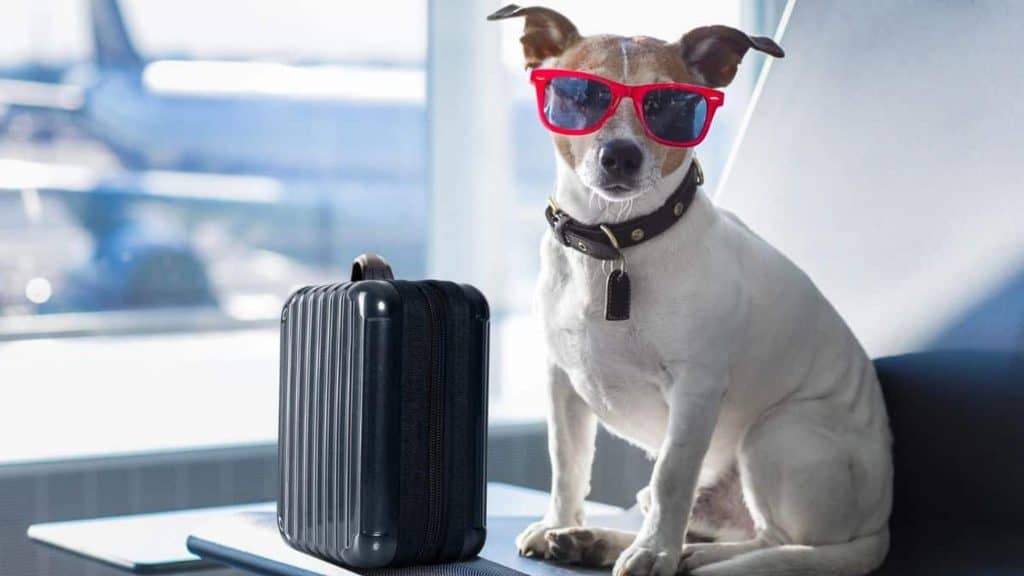
Cabin or Cargo May Not Be Your Choice
A pet’s size can decide how it flies. On American Airlines, checked pets at the ticket counter are limited to two groups. Those groups are active-duty U.S. military members and State Department Foreign Service personnel on official orders. Travelers with pets too large for the cabin may need cargo service, another airline, or a trip by car.
Measure the Carrier for the Actual Aircraft
Under-seat space changes by plane, cabin, and airline. American lists 18 by 11 by 11 inches for a soft carrier. Its hard-carrier limits vary by aircraft. The animal must fit comfortably inside the closed carrier, and the carrier must fit under the seat. Confirm the operating aircraft before buying one.
Short-Nosed Breeds Face Tighter Limits
Flat-faced dogs and cats face extra limits because air travel can make breathing harder. Alaska Air Cargo does not accept breeds such as pugs, bulldogs, and Persian cats in the cargo compartment. A short-nosed pet may still qualify for the cabin if its carrier fits safely under the seat. Check both the breed list and cabin measurements before booking.
Cold Snaps and Heat Can Stop Cargo Travel
Forecasts matter at the departure, connection, and arrival airports. Alaska Air Cargo generally accepts pets when temperatures stay from 45 to 85 degrees Fahrenheit. It may allow colder travel with a recent acclimation certificate. Its weather policy says that decision can change on travel day. Build a backup plan for winter cold, delays, or rerouting.
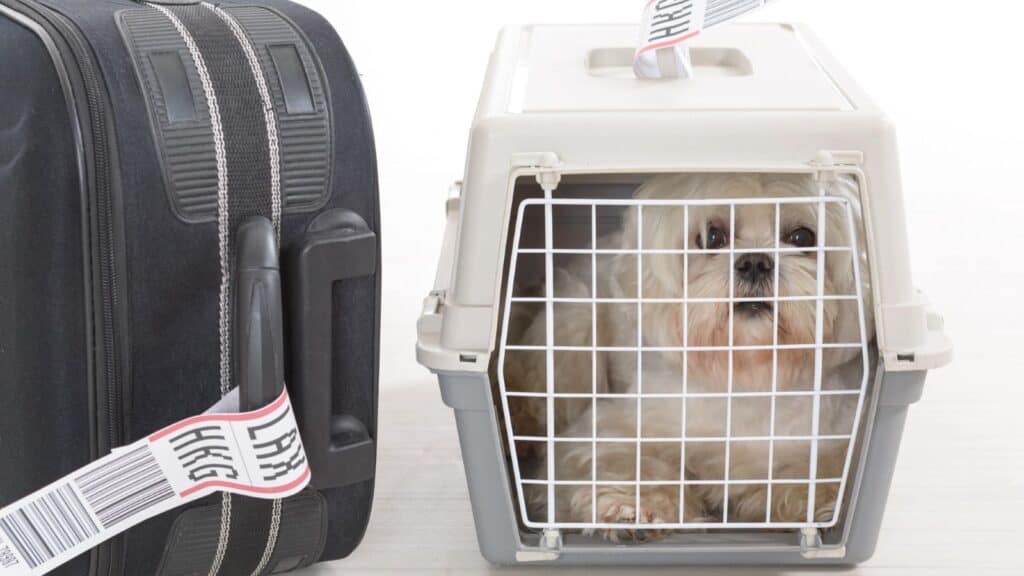
Pet Fees Apply Each Way
Round-trip math can double the price listed on an airline’s pet page. American currently charges a $150 carry-on pet fee per kennel, each way, on eligible routes. American says a stop or connection of four hours or longer can add another fee. Fees and eligible destinations differ by airline, so price both directions and every segment before choosing a flight.
International Trips Start With Destination Rules
Each destination sets its own border rules. USDA APHIS says most countries require a health certificate. A USDA-accredited veterinarian helps complete the country’s tests, vaccines, and treatments. The certificate needs USDA endorsement when the destination requires it. Check every trip because countries can change their rules.
A Microchip Must Work on Arrival
Dogs entering or returning to the United States must have a microchip that a universal scanner can read. The CDC’s current requirements also say a dog must be at least 6 months old. For a dog that has visited a high-risk rabies country, the chip must be implanted before the rabies vaccination used for entry. Keep the chip number consistent across every form.
Rabies Paperwork Follows Travel History
Where a dog traveled decides which rabies records it needs to return to the United States. A U.S.-vaccinated dog that visited a high-risk country needs a CDC Dog Import Form receipt and a USDA-endorsed certification of its U.S.-issued rabies vaccination. That certification must be completed before departure. Foreign-vaccinated dogs from high-risk countries follow a different process and must have a reservation at a CDC-registered animal care facility.
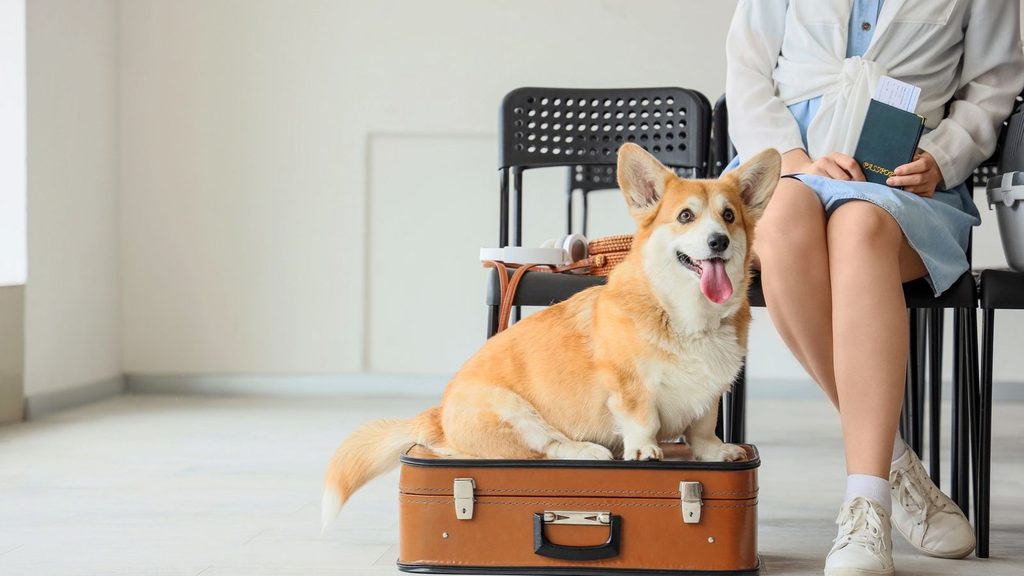
Returning Dogs Need Their Own Import Receipt
Even a family dog coming home from a low-risk country needs paperwork. The CDC requires one Dog Import Form receipt for each dog entering the United States. This rule covers returning pets as well. Air travelers show it to the airline before boarding and keep it for arrival. A new form may be needed when the departure country changes.
The Best Plan May Stay on the Ground
A good holiday trip puts the pet’s welfare ahead of getting everyone onto a plane. If weather, size, health, or paperwork makes a flight a poor fit, pet-friendly travel can include a road trip or a closer getaway. Choosing another route can be the decision that lets the holiday feel like a holiday.