
Holiday shipping gives fake alerts more room to blend in because real tracking updates are already filling phones and inboxes. A missed-delivery warning or small postage charge can look routine until it pushes you to click, scan or pay. Package trouble can also arrive offline through porch theft, reshipping jobs and boxes you never ordered. These 11 scams and theft risks are worth knowing before the holiday rush gets busy.
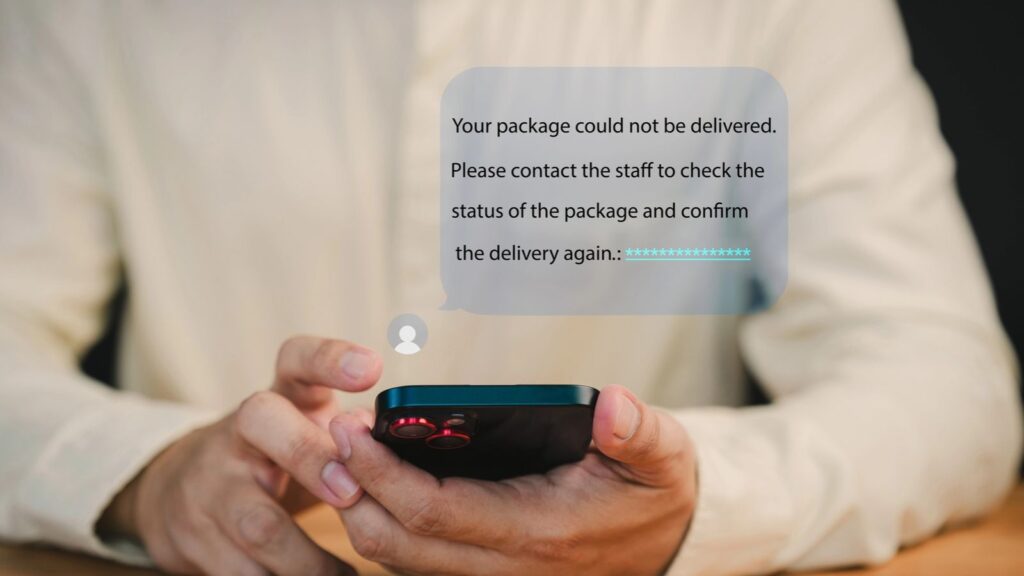
Delivery Problem Texts
One common lure says your package is delayed or your address needs updating. FTC guidance says a text that looks like it came from a carrier may be “really from a scammer”. Check a real order by opening the retailer account you already use, not the link in the message.
Redelivery Fees That Ask for Payment
A missed-delivery story can end with a small fee to reschedule the box. Current guidance says fake delivery sites may ask for “re-delivery fees”. If a message asks for card details to release the box, stop and check the order yourself.
Fake Tracking Links
The link itself can be the trap. A copycat page can steal payment or login details. A bad link may also install harmful malware. Type the retailer or carrier address yourself instead of trusting a button in the message.
Fake Shipping Emails
Delivery scams are not limited to texts. A fake shipping email may say you missed a delivery or need to update your street address or ZIP code. Contact the shipping company directly using a site or number you already know is real.
Unpaid Postage Messages
Another text says postage is unpaid and the package cannot move until you cover a fee. The payment page may look real but can steal both money and card details. Treat unpaid postage as a cue to check the order outside the message.
QR Codes for a Missed Delivery
A printed slip or message may swap the obvious link for a QR code. The story can say a package couldn’t be delivered and that you need to scan to reschedule. That code can lead to a spoofed site built to steal information.
Reshipping Jobs
Package scams can also arrive as job offers. A work-from-home role may ask you to receive boxes and reship packages, sometimes with goods bought using stolen cards. A real job should not make your home the middle stop for mystery goods.

Overpayment Refund Requests
If you’re selling unwanted gifts online, a buyer may claim to have paid twice or send a check for more than the price. The request to send money back is the trap. Never deposit a check for more than the selling price or refund money you never received.
Porch Package Theft
Not every package loss is digital. Holiday crime guidance warns that boxes left outside can be taken before the recipient gets them. Do not leave packages unattended, and use a locker, hold option or trusted neighbor if you’ll be away.
Brushing Packages
A cheap package you never ordered can be part of a brushing scam, where the sender uses your name to post a fake review. Federal law covers unordered merchandise. If you never asked for it or agreed to receive it, you may treat it as a gift. Change shopping-account passwords and watch for signs of identity theft.
Orders That Never Arrive
Sometimes there is no delivery scam at all because no package was sent. If an online order never arrives, contact the seller first. If a credit-card charge remains unresolved, you can dispute the charge. A homemade gift can also replace a store-bought item on part of your holiday list.

Slow Down Before You Click
Urgency helps scammers turn a routine delivery update into a decision made too fast. Leave the message, open the retailer or carrier site yourself and check what is actually happening. That extra minute can separate a real shipping problem from a story built to make you pay first and think later.