
Durian has people picking sides over its smell, and itis just one of several strange fruits that take real effort to find in the United States. The rest of the lineup includes a fruit named for hair and a citrus that grows fingers instead of juice. Federal rules keep most fresh fruit out of travelers’ suitcases, and one fruit is so perishable it rarely makes it to a store shelf, so tasting any of them takes some hunting.
Several of the strangest fruits trace back to the tropics of Southeast Asia and the Americas, and one is native to the United States. Another has been cultivated for so long that its exact origin stays unclear. Some now reach American shoppers by air from a few approved countries, while others grow on American soil and stay local and seasonal.
Federal rules bar travelers from bringing almost all fresh fruits into the United States, which leaves approved commercial imports and American growers as the main sources. Frozen fruit falls under the same ban, while commercially canned fruit may enter if the traveler declares it on the customs form. Commercial shipments generally need an import permit from APHIS and face inspection at the first port of arrival.
Fans travel for a smell others cannot stand
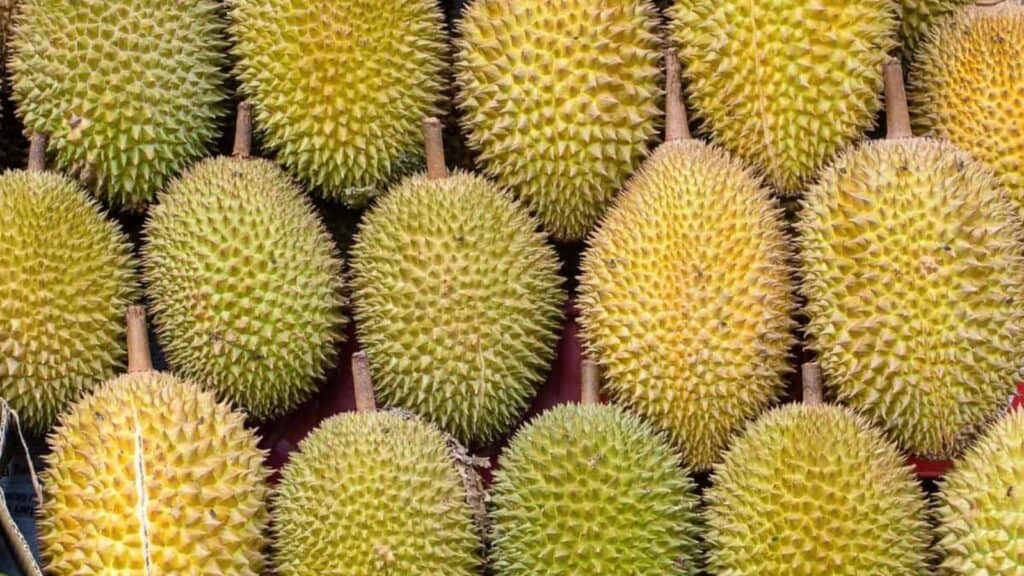
The durian tree belongs to a genus native to Southeast Asia, and its smell traces to more than 140 aromatic compounds across durians, though each type contains about 40. Enthusiasts often join tour groups to sample the range of flavors and aromas across the region. Unripe flesh offers a milder route, since cooks eat it raw in a salad or cook it into curry.
Ripe flesh varies by variety, with Musang King offering thick, buttery flesh and another variety tasting sweet and nutty with slightly bitter undertones. Durian now goes into cakes, cookies, cream puffs and ice cream. A single fruit can grow up to 18 inches long, and one that falls from the tree ripens within about 2 to 4 days. One importer says Thailand is one of the only countries, along with Mexico, currently permitted to export fresh durian into the United States, and Thai shipments come by air because the shelf life is extremely short. Hawaii grows some, mostly on the Big Island, and the fruit usually sells only at farmers markets, where it is often the first to sell out.
Soft spines hide a sweet, white interior
Rambutan takes its name from the Malay word for hair, a reference to the hairy spines that cover its leathery skin. The fruit probably comes from the Malay archipelago, though its exact origin stays unclear because people have cultivated it for so long. Peeling it reveals sweet, white flesh that clings to a woody seed. The seed is bitter, though cooks in the Philippines roast it as a snack.
This tropical fruit has a misleading name
Soursop is native to the American tropics and despite the name, the fruit tastes sweet, with a flavor that mixes strawberry, apple and even citrus notes. The flesh has a custard-like texture, and some cultivars run more sour than others. People eat the flesh fresh or strain it into custards and drinks. Federal regulators began allowing fresh soursop from Mexico in October 2024 and require irradiation and an inspection certificate for every shipment.
The largest native fruit tastes tropical
Pawpaw is the largest fruit native to the United States, with fruit that runs 3 to 5 inches long. It is the only temperate member of a mostly tropical plant family that includes soursop. Its flavor is often compared to banana, pineapple and mango, and frozen pulp goes into products like ice cream.
Pawpaws bruise easily, so few reach store shelves. Andra Nus, a North Carolina pawpaw grower, says fruit left on the counter spoils within two days, and the season runs from August to early October. Farmers markets and festivals rank among the main places to find them.
Citrus with no juice and no seeds still has uses
Buddha’s hand is a citron, an unusual citrus whose fruit splits into sections that resemble fingers. The interior is solid albedo, the spongy white part of citrus fruit, with no juicy pulp or seeds. The fruit is thought to have originated in northeastern India, and Buddhist monks took it to China after the fourth century. Cooks use it in sweet and savory recipes, and in China it is a symbol of happiness and long life. Japan treats it as a New Year’s gift meant to bring good fortune.
Trying one unfamiliar fruit opens the door to more
In 2007, federal regulators approved imports of six fruits from Thailand, including rambutan. The same rule also covered longan and mangosteen, which made both eligible for import as well. A single unfamiliar fruit opens the door to more, and whichever one turns up at a nearby store makes a natural place to begin.
Jennifer Allen is a retired professional chef and long-time writer. Her work appears in dozens of publications, including MSN, Yahoo, The Washington Post and The Seattle Times. These days, she’s busy in the kitchen developing recipes and traveling the world, and you can find all her best creations at Cook What You Love.