
Order a Monte Cristo and the name hints at a grand old tale, even though its history is murky. A sloppy joe has a Joe nobody can identify with confidence, while a Dagwood comes from the comics. Even the Earl of Sandwich has a gambling story that historians question. Behind these seven names are famous fans, fictional characters, and food legends that deserve a closer look.
The Earl of Sandwich and the Card-Table Legend
John Montagu, the fourth Earl of Sandwich, gave lunch its lasting name, but the familiar invention tale is uncertain. Supposedly, he asked for beef between bread so he could keep playing cards. An alternative account places him at his desk, and filled breads existed long before his lifetime. Yet that older custom does not rule out the earl’s role in popularizing the familiar form. His link to the name is clearer than his precise role in creating the meal.
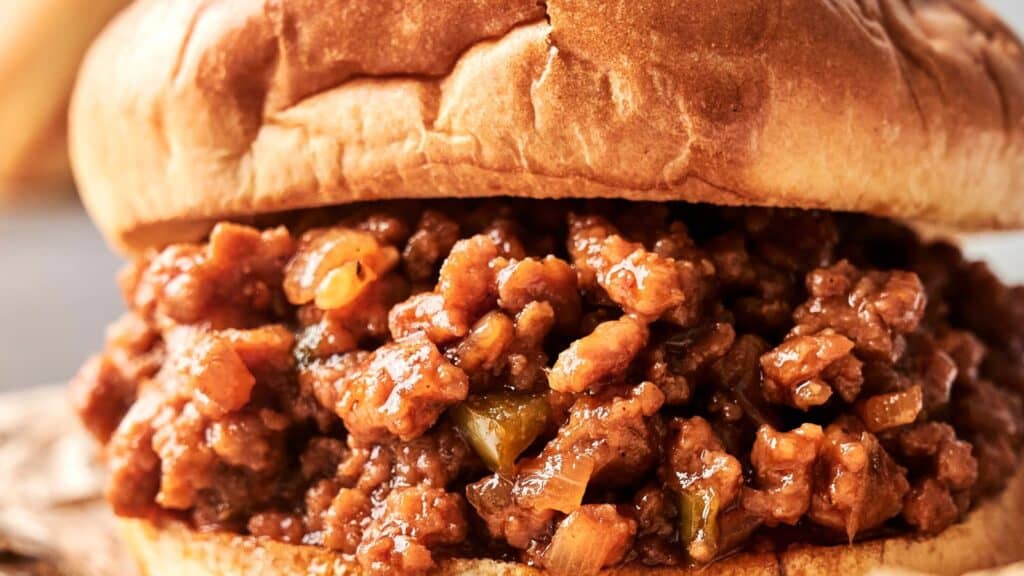
The Joe Nobody Can Pin Down
A sloppy joe is a messy bun filled with saucy ground beef, but the name’s history is less tidy. One story credits a cook named Joe in Sioux City, while competing accounts point to a bar with a similar name. Dictionary research says the identity of any Joe remains unknown. An Ohio newspaper advertised sloppy joes in 1940, proving the name was already in use by then. That gives us a date in print, not the identity of the first cook.
Elvis Gave a Sandwich His Star Power
Peanut butter and banana made a filling sandwich before Elvis Presley became its best-known fan. His mother reportedly prepared the combination when he was young, and later versions sometimes included bacon. He was a devoted fan, not its inventor. Don’t confuse it with Fool’s Gold Loaf, the oversized bacon, peanut butter and jelly sandwich he also enjoyed. The two have overlapping ingredients but different stories. Fame is what put the singer’s name on the simpler sandwich.
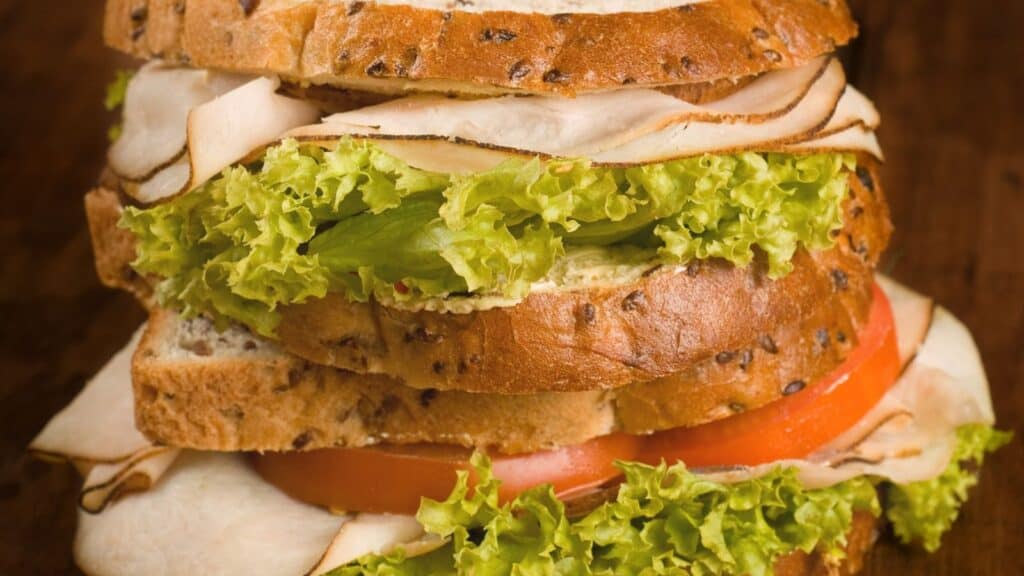
Dagwood Began as a Cartoon Appetite
Pile bread high with fillings and you have the spirit of a Dagwood sandwich. Its namesake is Dagwood Bumstead from the newspaper comic Blondie, not a cook whose recipe you can trace to a restaurant. The Library of Congress documents his towering sandwich habit in comic strips drawn by Chic Young. The strip began in 1930 and helped attach the character’s name to a big, unruly lunch. Young created the character, which is different from claiming he invented every towering sandwich.
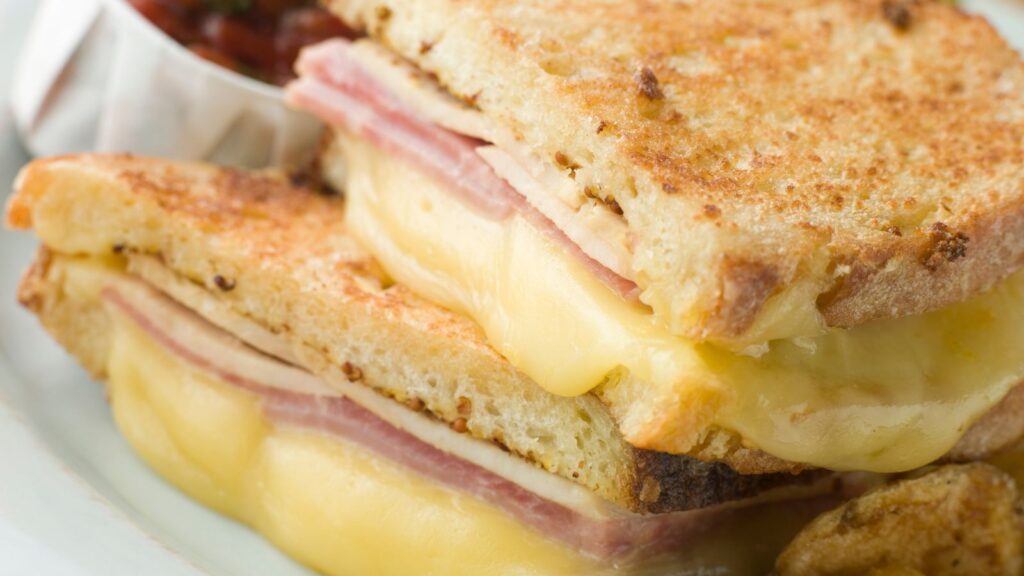
Monte Cristo Has No Confirmed Count
A Monte Cristo typically combines meat and cheese in bread dipped in egg and fried until golden. Its name sounds as if it must refer to The Count of Monte Cristo, but that connection has never been established. The book’s fictional count is a tempting explanation, not a documented naming decision. Even the recipe varies, with cooks using egg-dipped bread or already-fried French toast. The ingredients are much easier to identify than the person, place or story behind the name.
Gatsby Took Its Name From a Shout
Cape Town’s Gatsby is a huge roll filled with fries and meat or fish, often sliced for sharing. One account credits Rashaad Pandy, a shop owner in Athlone, with feeding workers an improvised sandwich in the 1970s. A worker reportedly called it a “Gatsby smash”, and the name stuck. Reports disagree on 1974 versus 1976, and the reference to the novel or film The Great Gatsby remains a possibility rather than proven fact.
Victoria Sandwich Is a Cake With a Royal Name
Victoria sandwich brings a twist: it is cake, not bread filled with meat or cheese. Mrs. Beeton’s 1861 cookbook describes sponge cake with jam, cut into finger portions. Food historian Annie Gray says there is no proof Queen Victoria ate the cake named for her, though she suspects she did. Sponge cakes predate the queen’s reign, so crediting her with the recipe would go too far. The British tea table holds cakes alongside finger sandwiches, making this a sweet exception to the list.
What a Name Can Actually Tell You
Names survive because people repeat them, not because anyone checked the first cook’s identity. Old menus and printed recipes may show when a label appeared, but they rarely capture every hand that shaped a dish. A confident origin story is fun at the table; its missing pieces are part of the history too.