
Tap a glowing tip button after dinner, and you may accept a number you never meant to choose. Restaurant checks now mix suggested percentages, delivery fees, and automatic charges that look alike but work differently. Familiar habits can leave you tipping twice or overlooking extra service. These eleven slip-ups show why reading the receipt matters more than trusting the screen.
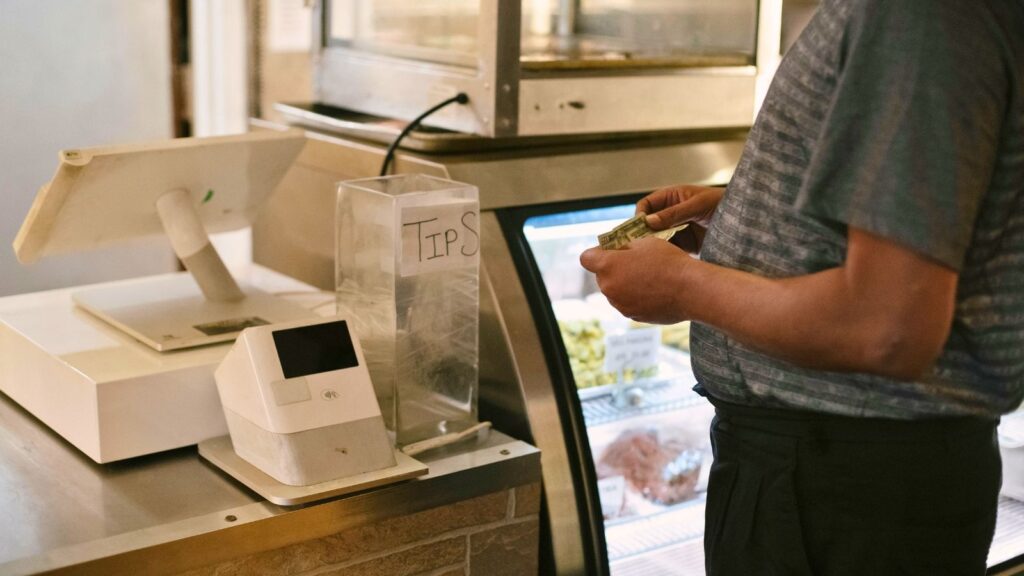
Missing the Pre-Tax Subtotal
For sit-down service, the Emily Post Institute recommends 15% to 20% of the pre-tax bill. Tipping on the total after tax is not forbidden; it simply makes your tip larger. Find the subtotal before calculating, especially if you are dividing the check with friends.
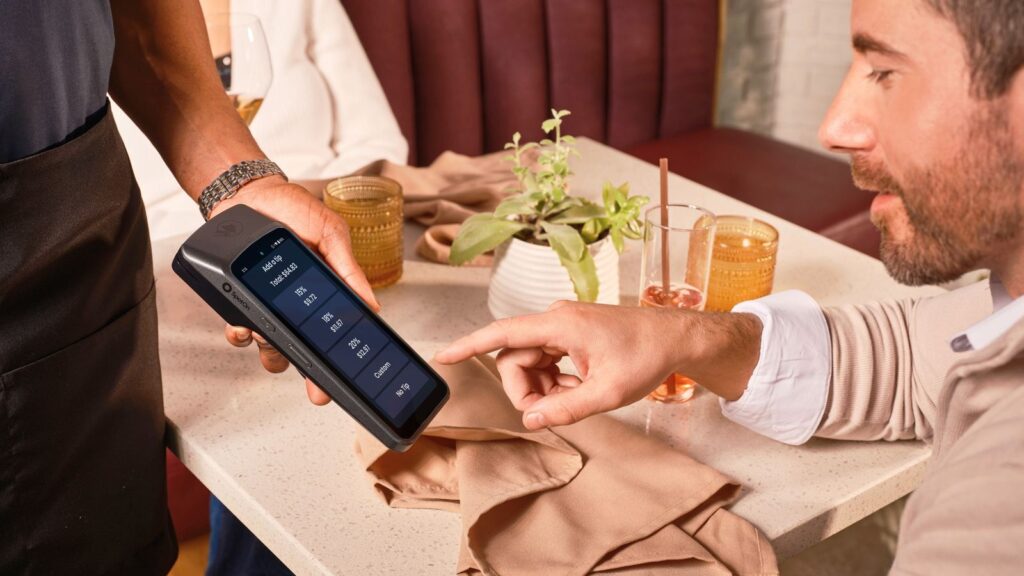
Letting the Payment Screen Choose for You
A checkout screen may offer preset percentages without showing how they were calculated. The National Restaurant Association advises businesses to calculate suggested tips on food and beverages before tax. Check the starting amount and select your own percentage instead of treating a highlighted button as the rule.
Tipping Only on the Discounted Price
A coupon or complimentary entrée changes what you owe, not the work involved in serving the meal. Etiquette advice favors tipping on the original pre-tax food and drink value. Likewise, paying with a gift card does not reduce the service you received.
Treating Every Takeout Order as Tip-Free
Picking up an ordinary takeout order does not create a standard tipping obligation. But Emily Post recommends considering about 10% for a large or complicated order or extra service such as curbside delivery. Acknowledging that added work is different from treating every pickup as a mandatory tip situation.
Forgetting to Tip at the Bar
Bartenders provide direct service even when you stop for one drink. Emily Post’s guide suggests $1 to $2 per drink or 15% to 20% of the tab. On a long visit, review the bill so you do not accidentally tip once per drink and again on the same total.
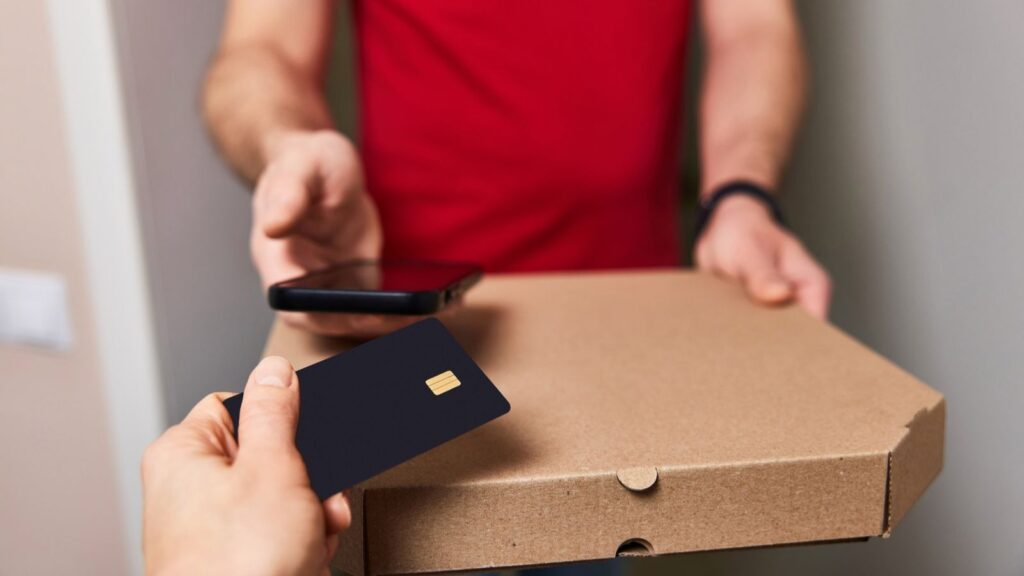
Confusing Delivery Fees With Driver Tips
A delivery fee is not automatically a gratuity. DoorDash separates delivery and service fees from an optional customer tip and says Dashers receive 100% of those tips. Fees can also help fund delivery operations and driver compensation, so the point is to recognize that the charges and the voluntary tip serve different purposes.
Assuming Auto-Gratuity Misses the Server
Restaurants sometimes add a mandatory percentage for large parties. The IRS treats that automatic gratuity as a service charge rather than a voluntary tip for federal tax purposes. The business may distribute the money to employees as wages or retain part of it. That classification alone does not mean your server received nothing.
Believing Tips Are Just Extra Pay
Under federal rules, certain employers using a tip credit may pay tipped workers as little as $2.13 in direct hourly wages. They must ensure wages and tips together reach the applicable minimum and cover any shortfall themselves. State and local requirements can be higher. Tips matter, but the legal wage obligation still belongs to the employer.
Thinking Card Tips Disappear
Federal law generally bars employers and managers from keeping workers’ tips. Card tips may be shared through lawful tip pools, and employers can sometimes deduct actual processing costs attributable to those tips, subject to legal restrictions. A card tip can still benefit staff even when it does not go entirely to one server.
Blaming the Server for Every Delay
A slow kitchen or sold-out dish may be outside your server’s control. Etiquette experts caution against using a tip to punish staff for problems they could not prevent. Explain the issue to a manager when necessary; a real problem with table service is a separate concern.
Tipping Again Without Reading Service Charges
An automatic gratuity intended for service may already cover what you planned to leave. A general service charge might pay for other costs, though, so ask what it covers rather than assuming you must tip twice or should never add more. For a group meal, sorting out checkout details early can also spare staff time when the bill arrives.
Decide Before the Screen Decides for You
Settle on a tip based on the service you actually received before a touchscreen offers an answer. Then use the receipt to check your decision, not to make it for you. That habit leaves room for generosity without giving up control of the bill.