
Do you love baking with sourdough but hate tossing out the discard? Good news: you can use your excess sourdough to bake delicious new sourdough discard recipes and reduce kitchen waste.
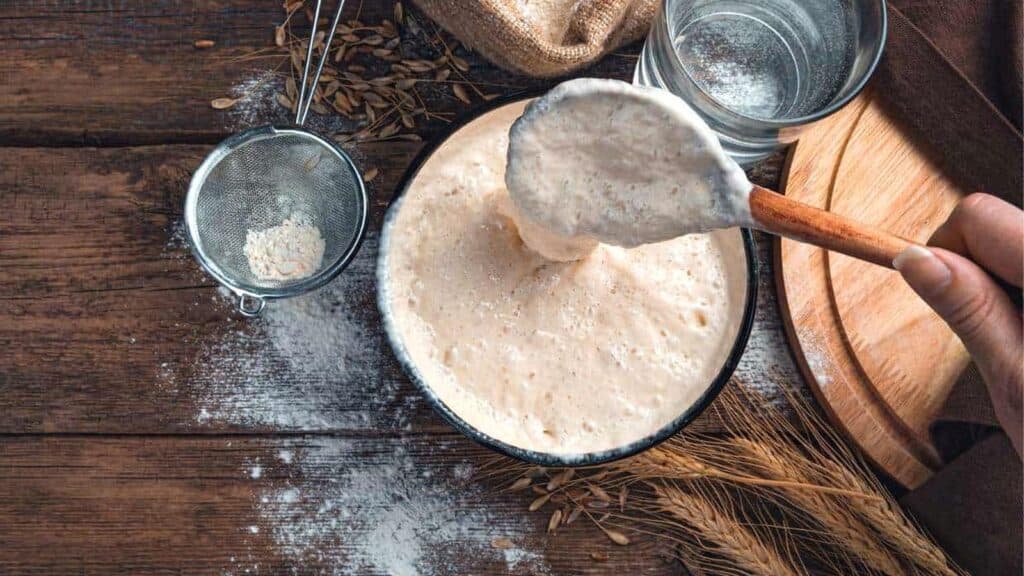
Sourdough discard, often overlooked, is a versatile baking ingredient. Whether you’re a novice or an experienced baker, use these tips to enhance your dishes.
Demystifying sourdough discard
Sourdough starter is a fermented mixture of flour and water containing wild yeasts and beneficial bacteria. A healthy, active starter can naturally leaven bread, while sourdough discard can add flavor and texture to many other recipes. Using sourdough discard in your weekly meal planning minimizes kitchen waste and enriches baked goods with an unusually tangy flavor.
Keeping a sourdough starter healthy requires regular feedings of flour and water. Because each feeding increases its volume, bakers typically remove a portion before feeding. If you don’t use that portion right away, you’ll end up with excess starter known as discard.
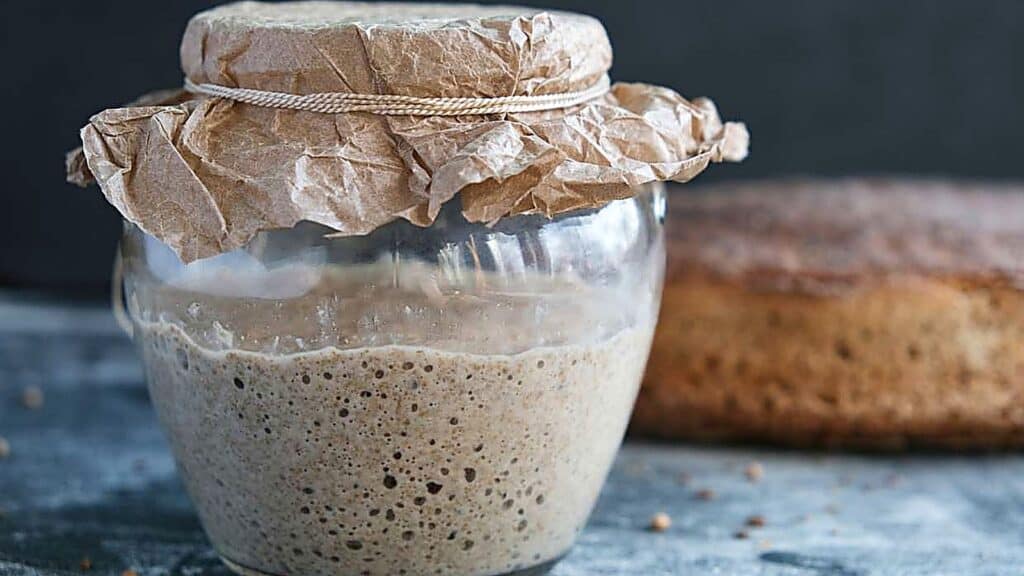
Sourdough discard secrets
This flavorful fermented mixture adds depth and tang to various recipes. Far from being just waste, sourdough discard offers many possibilities for creating new recipes. These seven baking tips teach you how to make the most of it.
Follow the recipe’s temperature guidance
Sourdough discard doesn’t always need to come to room temperature before baking. Some recipes work well with discard straight from the fridge, while others benefit from room-temperature ingredients. Follow the recipe’s directions, especially when the discard contributes to fermentation and rise.
Watch hydration with whole wheat flour
Whole wheat flour absorbs more moisture than white flour. If you’re adapting a recipe that includes whole wheat flour and sourdough discard, watch the consistency of the dough or batter and add liquid as needed to avoid a dry finished product.
Tangy flavor profile
Sourdough discard can give baked goods a distinct tangy flavor. Older discard may have a stronger tang than recently fed starter, although the final flavor depends on the recipe and other ingredients.
This characteristic sourness adds a unique depth to baked goods, making them stand out with a gourmet twist. Remember to pair your sourdough recipes with complementary flavors, such as garlic, rosemary or thyme.
“I love making sourdough bread, but to keep my starter fed means that I always have plenty of discard. I keep that and use it in many other recipes where it adds a fabulous tang that makes them even more delicious. I love to use it in everything from chocolate chip cookies to pizza dough to brownies and even more. Don’t toss your discard!”
— Michelle Price, Honest and Truly
Substituting discard for active starter
Sourdough discard can replace active starter in some recipes, but it isn’t always an even substitute. If a recipe relies on ripe starter for leavening, less-active discard may result in a slower or weaker rise.
For best results, use a recipe designed for discard or one that specifically says you can substitute unfed starter. When making substitutions, consider your discard’s hydration level and adjust the recipe’s flour and liquid accordingly.
Sourdough discard in regular recipes
Don’t limit your sourdough discard to just bread. It’s a versatile addition to many recipes, from sourdough discard biscuits, pancakes and waffles to crackers and pizza dough. Experiment with adding discard to different recipes to find your favorites.
Storing sourdough discard
When removing the discard from the original starter, you may not want to bake with it immediately. Store sourdough discard in a covered container in the fridge. Properly refrigerated discard from a healthy, established starter can generally be kept for several weeks. You may also freeze your discard in small amounts for convenience in future baking.
Proper storage ensures your discard remains fresh and safe to use. For longer-term storage, consider dehydrating healthy sourdough starter. Doing so transforms the sourdough discard into a food with a long shelf life. When you’re ready to use it again, rehydrate it with water and feed it with flour until it becomes active and bubbly.
Signs sourdough discard should be thrown out
Check sourdough discard for signs of contamination before using it. Throw it out if you see mold or pink or orange discoloration. An alcoholic smell or dark liquid on top can develop in hungry starter and doesn’t necessarily mean the starter has spoiled.
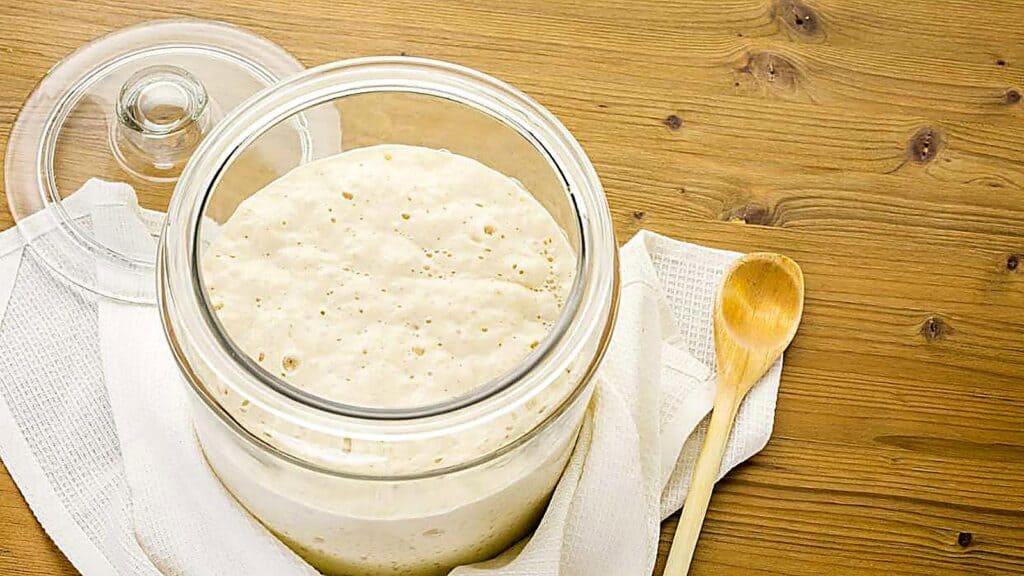
Sourdough discard baking techniques
Consider baking with sourdough discard more of an art than a precise science. Feel free to experiment with using it in your favorite recipes.
Use sourdough discard to enhance the texture and flavor of baked goods, but remember that baking with it may require adjusting your baking times. If you’re adapting a regular recipe to include it, you may need to adjust the flour, liquid or baking time to account for the discard’s moisture. When using a tested sourdough discard recipe, follow its measurements and baking instructions.
The unique tangy taste of sourdough discards pairs well with many different dishes and meals. Bake it into breads and rolls to serve alongside your favorite soups or stews. Add sourdough discard crackers to your holiday charcuterie board or bake a batch of sourdough discard muffins for a cozy winter breakfast.
Experiment with different pairings like herbs, spices or sweeteners. Eventually, you’ll discover your perfect sourdough discard flavor combination.
Baking with sourdough discard takes patience and practice. Use it in current recipes, or look for new ones. Remember that it is more than a byproduct of sourdough starter. It can become a signature ingredient in your kitchen.
Sarita Harbour is a writer and the creator of An Off Grid Life, where she shares practical information about self-reliance, food preservation, from-scratch cooking and off-grid living. She spent more than a decade homesteading off the grid, gaining hands-on experience with many of the skills she writes about.