
More travelers are booking off-grid cabins this time of the year as demand grows for places that replace screens with scenery. Off-grid cabins operate independently from public utilities, often using solar power, wood stoves and natural water sources. These stays help people reconnect with nature and strengthen personal ties where simplicity, wellness and time outdoors take center stage.
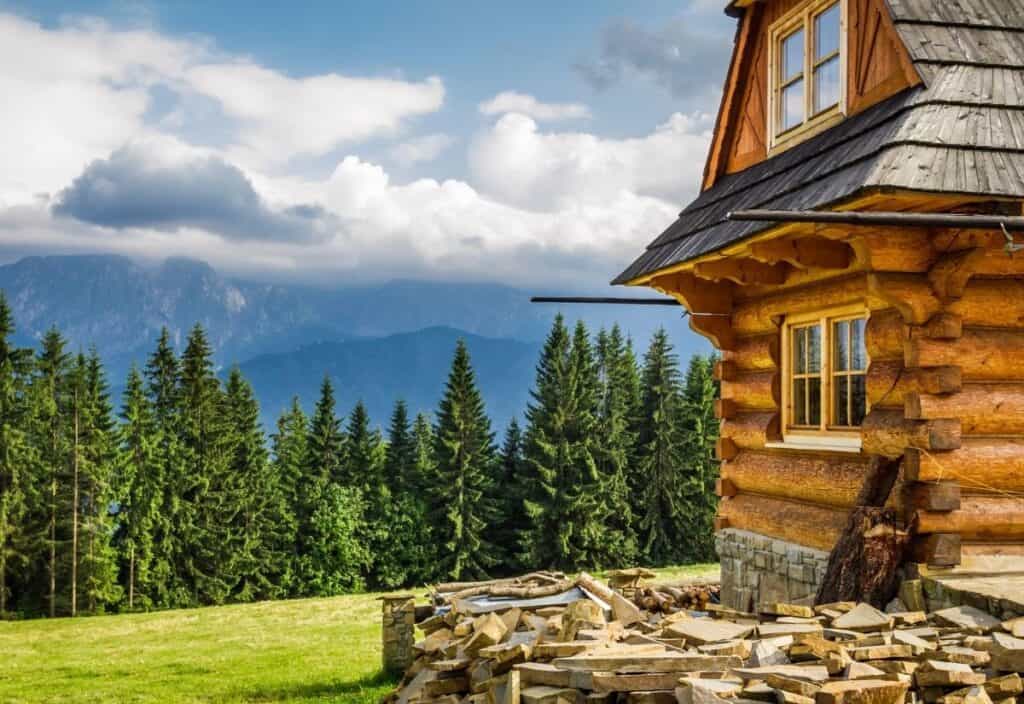
Travelers are discovering that the appeal of unplugged cabin stays lies in how they align with today’s search for mindful living. These experiences raise broader considerations about mental health, travel habits and the different lodges in the United States that emphasize mindful travel.
The mental reset effect
As fall routines settle in and burnout looms, travelers increasingly turn to escapes that offer genuine relaxation. The constant pull of digitalization, particularly through social media engagement, can heighten stress and lead to higher rates of burnout. This pressure fuels an increased desire for authentic, off-the-beaten-path experiences as more people opt to replace screen time with outdoor experiences.
The connection between mental health and travel makes the need for a reset more relevant than ever. Brain rot, named the Oxford Word of the Year for 2024, refers to the supposed decline of a person’s mental or intellectual state caused by trivial or unchallenging online content. Against this backdrop, off-grid cabins have become more appealing to travelers seeking relief from the overwhelming pace of digital life.
Finding calm in nature
More travelers are turning to nature as a way to restore their mental and emotional well-being. Mayo Clinic’s advanced nurse practitioner Jodie Smith notes, “Making time for nature is important in order for us to maintain resiliency and promote self-care in a world that demands a lot from us.”
“Being present in nature doesn’t ask or require anything of us, so it frees up our mind to think more deeply and clearly about things,” she added. These environments encourage better focus, renewed creativity and deeper personal connections.
The appeal also extends beyond solitude, as cabins, lodges and retreats that emphasize simple pleasures continue to gain popularity. Together, these choices reveal a wider movement toward wellness travel that values rest and meaningful experiences.
Sustainable comfort meets solitude
Travelers now seek cabins that feature natural surroundings with thoughtful design. Modern off-grid cabins offer simplicity and comfort, becoming spaces that meet today’s demand for sustainability and relaxation. Many now include solar power, wood stoves and layouts that maintain a peaceful atmosphere far from screens.
These design choices demonstrate how comfort and nature can coexist, as modern travel priorities shift toward nature retreats. Each season, the rising demand makes it clear that travelers want solitude in destinations that provide both renewal and sustainability.
Famous off-grid cabin locations in the US
Travelers looking for authentic experiences often seek destinations that bring them close to nature. These places highlight how off-grid cabins encourage solitude and a strong connection to landscapes.
One of the most sought-after destinations is LeConte Lodge in the Great Smoky Mountains National Park in the Eastern United States. Accessible only by hiking, it offers rustic log cabins with propane heaters, kerosene lanterns and family-style meals that create a simple and quiet atmosphere. The elevation, remoteness and sweeping views at 6,400 feet provide guests with a memorable reset from daily life.
In Alaska, Orca Island Cabins are tucked in Humpy Cove of Resurrection Bay, accessible only by a private water taxi from Seward Harbor. The solar-powered yurts feature thoughtful details, including a full kitchen, comfortable bedding and a private deck. Guests spend their days quietly exploring the cove by kayak or soaking in the stillness and natural beauty surrounding the island.
In California, Muir Trail Ranch attracts travelers who want deep immersion in the Sierra Nevada wilderness. The guest ranch hosts groups, offers short stays and provides backpacker services for hikers on the John Muir Trail and Pacific Crest Trail through resupply stations, water and a hiker store. Guests can also arrange horse pack trips, day rides into scenic areas and experience rustic living with cabins and backcountry access.
From the Sierra Nevada, the journey of off-grid escapes continues north to Alaska, where Denali Backcountry Lodge invites travelers deep into the wilderness via a scenic bus ride or a helicopter flight that features breathtaking views of glaciers, wildlife and Denali itself. Guests settle into private cedar cabins that provide meals, daypacks and essential gear, allowing them to focus on adventure and quiet relaxation. Guided exploration and regionally inspired cuisine add touches of luxury, making each day about backcountry ambience and thoughtful comfort.
Escaping screens, finding balance
These cabins and lodges remind travelers of what journeys can feel like when distractions fall away. Beyond mountain views or rustic cabins, their appeal centers on escapes that reconnect people with nature and with each other. As more travelers trade Wi-Fi for wood stoves, this trend reveals how off-grid stays are becoming the go-to for balance, as people return from their trips lighter, calmer and more energized.
Jennifer Allen is a retired chef turned traveler, cookbook author and nationally syndicated journalist; she’s also a co-founder of Food Drink Life, where she shares expert travel tips, cruise insights and luxury destination guides. A recognized cruise expert with a deep passion for high-end experiences and off-the-beaten-path destinations, Jennifer explores the world with curiosity, depth and a storyteller’s perspective. Her articles are regularly featured on the Associated Press Wire, The Washington Post, Seattle Times, MSN and more.