
The instant noodle cup has outgrown its origins as dorm fuel and disaster-kit insurance, with global consumption climbing to a record 123 billion servings in a year; that number works out to roughly 15 helpings for every person on the planet. What started as the cheapest hot meal in the supermarket now turns up in places that once would have looked down on a foil seasoning packet, including premium airline cabins and upscale grocery aisles. The bargain cup is having a moment, and it is climbing the price ladder fast.
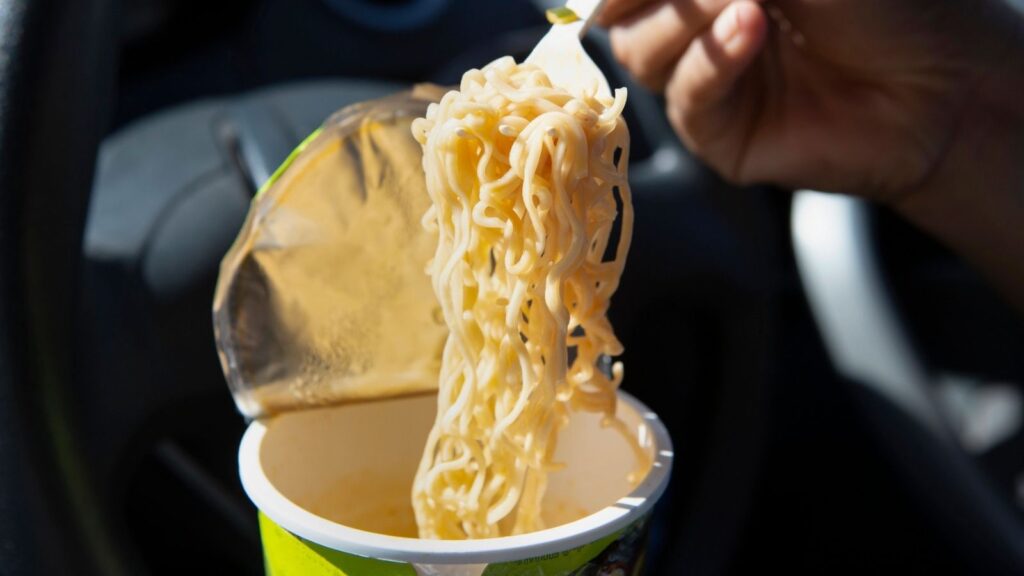
For years, the category sold itself on price and speed, a pantry staple for students and anyone watching their spending. That reputation is changing as the product pushes into premium aisles and unexpected venues. Americans now eat more than 5 billion servings a year, enough to place the United States sixth in global demand and well ahead of several countries where the noodle is a cultural institution. Brands have noticed, and they are rebuilding the cheap cup for shoppers who will pay for protein, restaurant-style texture and recyclable packaging. The format is following its eaters into hotels, lounges and the seat-back tray.
A premium makeover on the shelf
The clearest sign of the change sits in the grocery aisle, where instant noodles now command real money. Restaurant-style and high-protein formats are the fastest-growing corner of the category. Samyang’s fire-chicken ramen posted 28.7% revenue growth in a single year, carried by viral online challenges and distribution across more than 100 countries. On the other end, A South Carolina producer poured $100 million into a high-protein line promising 20 grams of protein per cup, while Nissin swapped its foam cup for a microwaveable paper version aimed at younger, greener shoppers.
Served at 35,000 feet
Airlines have their own complicated romance with the cup. The in-flight noodle is a beloved ritual for long-haul travelers, who ask flight attendants for hot water and assemble a steaming meal at altitude. That ritual is under new scrutiny: Korean Air pulled instant noodles from its economy snack service over concerns that sudden turbulence could cause burns, while still serving them individually to business and first-class passengers.
Budget airline, HK Express, also joined the trend. It launched a co-branded mala-flavored cup with a popular Hong Kong noodle chain and sold more than 17,000 of them in the first month.
Brands push the upmarket
Cup and bowl formats, the priciest way to buy instant noodles, drive the market’s growth, and premium versions already sell at 15% to 30% above standard packs. That pricing power is why manufacturers keep adding protein, regional flavors and upscale packaging rather than competing on cost alone. For a product that once meant having no money, the new play is to convince people with money to choose it on purpose, from gym-goers chasing a protein target to parents handing a familiar bowl to a child far from home.
The next chapter belongs to whoever can keep the price-to-comfort promise intact while charging more for it. Expect bolder flavors, cleaner labels and more odd-couple partnerships between airlines, resorts and the brands that stock their pantries. The bargain cup is not going anywhere; it is simply learning to dress for a better neighborhood, and the rest of the food world is watching how far it can climb.
Jennifer Allen is a retired professional chef and long-time writer. Her work appears in dozens of publications, including MSN, Yahoo, The Washington Post and The Seattle Times. These days, she’s busy in the kitchen developing recipes and traveling the world, and you can find all her best creations at Cook What You Love.