
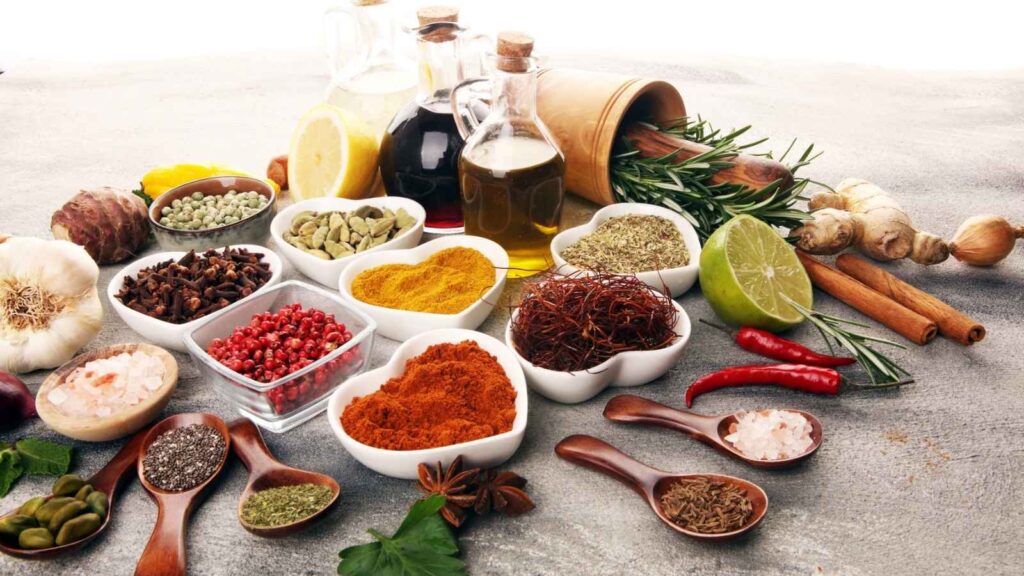
Herbs and spices are among the easiest items in a kitchen to overlook, whether it’s a jar of smoked paprika pushed to the back of a cabinet or dried thyme sitting untouched for months. Yet the seasonings people keep on hand reveal a great deal about how they cook, and many home cooks are becoming more deliberate about what earns a place on the shelf. National Herbs and Spices Day on June 10 arrives as curiosity, wellness awareness and growing confidence with global flavors encourage people to expand their spice cabinets.
This post may contain affiliate link(s). As an Amazon Associate, I earn from qualifying purchases. See Disclosures.
Chile powder and flake sales have already topped the prior year’s totals by a 30% to 50% margin with weeks of the fiscal year still remaining, a figure reflecting broader demand across the category as American interest in spicy, globally inflected food moves from niche to mainstream purchasing behavior. That appetite shows up in what people keep on their shelves, in the flavor profiles they seek out and in a growing willingness to reach for ingredients that would have felt unfamiliar a decade ago.
The health benefits hiding in plain sight
The wellness turn in home cooking drives people back to the spice rack, which has always done this work quietly, rather than toward supplements or specialty products. Turmeric’s curcumin compound is associated with anti-inflammatory effects, cinnamon has been studied for blood sugar regulation and cholesterol reduction and ginger is documented for nausea relief. Furthermore, garlic is associated with cardiovascular protection, and cayenne’s capsaicin compound is linked to pain relief. These are not fringe claims: Johns Hopkins Medicine documents all five among spices with well-researched health benefits.
Global flavors go mainstream
One of three macro trends identified for 2026 is “Sauce from Somewhere“: home cooks reaching for global condiments, regional spice pastes and herb blends not as novelty but as a way of building what the industry calls “flavor fluency,” confidence with ingredients beyond everyday pantry staples. That same forecast named Black Currant the 2026 Flavor of the Year, a choice that points toward the broader direction: earthy, slightly floral and herbal, native to temperate parts of central and northern Europe and northern Asia. Its selection suggests that nuanced, layered flavors are gaining attention alongside bolder spice profiles.
Across the retail kitchen space, the consensus for 2026 is that herbs, spices and texture do more of the talking in American kitchens. Curiosity without pressure is the organizing principle, building skill through small, deliberate additions rather than wholesale pantry overhauls.
Restaurant kitchens drive spice curiosity
Professional kitchens have been sending the same signal for several years, and it is now landing in home kitchens. A culinary forecast for 2026 found “flavor escapism” as the year’s dominant dining desire: familiar dishes rebuilt around global spice profiles, with Caribbean curry bowls built on turmeric, allspice and thyme among the top breakout dishes.
Spice combinations that once read as specialty-aisle items are now the baseline expectation for comfort food, and those expectations move from restaurant menus into home pantries faster than most other culinary influences. Middle Eastern blends, including za’atar, sumac and baharat, are the next wave gaining mainstream traction, following a path that aromatic Asian spice profiles traveled in prior years.
The spice cabinet matters more now
Herbs and spices were the original globally traded commodities, worth more per ounce than nearly anything surrounding them on a modern store shelf, and that value is being rediscovered in kitchens far removed from the spice routes that first moved them around the world. What people choose to stock and cook with has always said something about their priorities, and the spice cabinet in 2026 is no different: it shows what cuisines someone is curious about, what health outcomes they are paying attention to and what they want a weeknight dinner to actually taste like.
As home cooking becomes more deliberate and global flavor literacy deepens, the category draws more sustained attention from both consumers and the food industry than it has in years. National Herbs and Spices Day is a small occasion, but its impact has become a bigger priority in American home cooking.
Jennifer Allen is a retired professional chef and long-time writer. Her work appears in dozens of publications, including MSN, Yahoo, The Washington Post and The Seattle Times. These days, she’s busy in the kitchen developing recipes and traveling the world, and you can find all her best creations at Cook What You Love.