
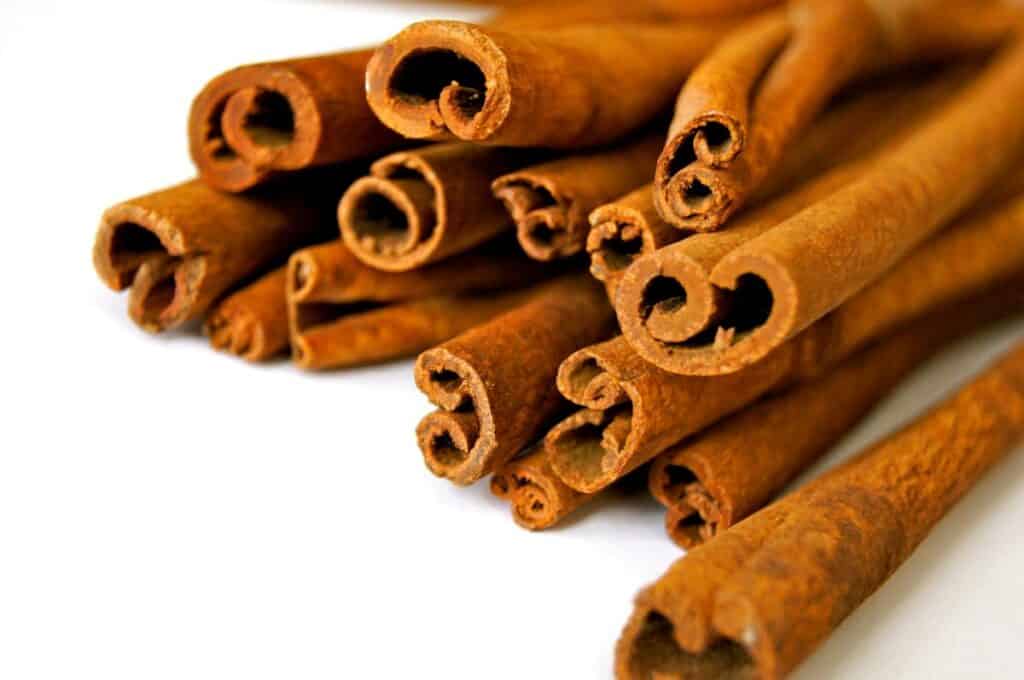
Cinnamon’s one of those spices that makes everything feel a little cozier, but what do you do when the jar is empty or you need to skip it? Don’t worry, cinnamon substitutes are easier to find than you might think; there are plenty of other spices that can bring that same warmth to your cooking and baking. Some are pretty similar, and a few might even surprise you in a good way.
This post may contain affiliate link(s). As an Amazon Associate, I earn from qualifying purchases. See Disclosures.
Before you grab a random spice from the rack, think about what cinnamon is doing in your recipe. Is it bringing sweetness, warmth or a little depth? The best swap depends on what you’re making and the flavor you’re going for. Pick the right one, and you might not even miss the cinnamon.
Why you need cinnamon
Cinnamon serves a few purposes in the kitchen. Here are a few reasons why you need it:
- It adds flavor. Cinnamon adds a warm, spicy and sweet flavor to baked goods like cookies, breads, cakes and cinnamon rolls.
- Cinnamon balances sweetness. It adds depth to very sweet recipes and balances out the sugar.
- It adds a comforting scent. The warm and inviting scent of cinnamon adds to the sensory experience of baked goods and other foods.
- Cinnamon enhances the flavor of other ingredients. It goes well with certain foods like nuts, apples, pumpkin and chocolate.
- It is a key ingredient in several spice blends. Chinese five spice, chili seasoning and garam masala feature cinnamon, and their flavor would not be the same without it.
- Cinnamon adds depth to savory dishes. It adds warmth without making savory dishes taste sweet, especially to Indian, Mexican and Middle Eastern cuisines.
- It enhances tomato-based sauces and marinades. A small amount of cinnamon enhances stews, sauces and braises by adding a subtle background flavor.
Now that you know why you might need a cinnamon substitute, let’s look at the best alternatives and how to use them. Some of these spices will give you the same cozy flavor, while others can take your recipe in a new and delicious direction. Whether you’re baking cookies or making a savory dish, there’s a substitute that’ll work just right. Here’s a closer look at what to use and when to use it.
Nutmeg
Nutmeg has a warm and nutty flavor and is available both ground and whole. It is often paired with cinnamon and is common in baking recipes as well as in Indian cuisine. To replace cinnamon, use half a teaspoon of nutmeg for every teaspoon of cinnamon the recipe calls for.
Allspice
Allspice has a flavor similar to a combination of cinnamon, nutmeg and cloves. It is made from the ground berries of a myrtle tree, Pimenta dioica. When the berries are ground, they provide a slight sweetness to food. Allspice works well in savory recipes. To use allspice as a substitute for cinnamon, use one-fourth teaspoon for every teaspoon of cinnamon the recipe calls for.
“I’ve substituted allspice for cinnamon in a pinch when making banana bread, and it actually worked really well. I’ve also used pumpkin pie spice in oatmeal cookies when I was out of cinnamon. It added a nice blend of flavors and didn’t overpower the other ingredients. Both times, my family didn’t even notice the switch!”
— Kristin King, Dizzy Busy and Hungry
Cloves
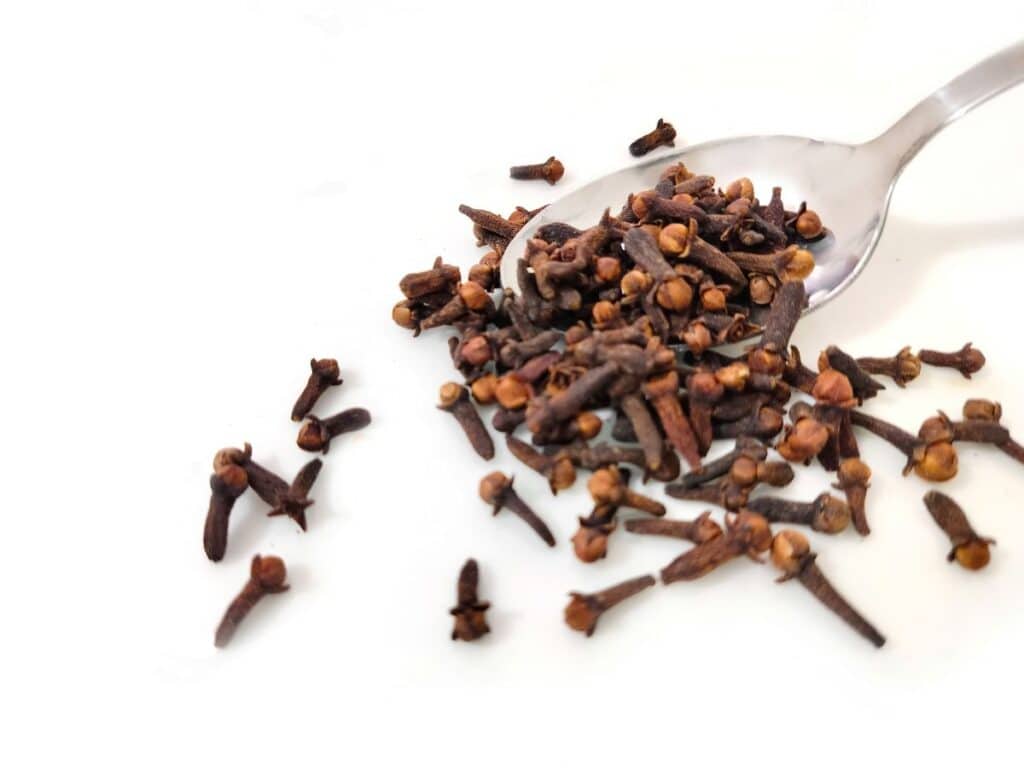
Cloves are sweet and warm but more bitter than cinnamon. They also have a stronger flavor. Cloves pair well with orange, so they work great in recipes that contain it. To replace cinnamon, use half a teaspoon of cloves for every teaspoon of cinnamon. Start with a smaller amount, and gradually add more according to your flavor preferences.
Pumpkin pie spice
Pumpkin pie spice is usually made up of a combination of cinnamon, cloves, anise and nutmeg. It works best in apple crisp, oatmeal, custards and other fall dishes. Pumpkin pie spice can also work in savory dishes and coffee. It can be used as a 1:1 substitute for cinnamon.
Apple pie spice
Apple pie spice is similar to pumpkin spice and is usually made up of a combination of cinnamon, nutmeg, allspice, ginger and cardamom. It works best in recipes that contain apples, such as crisps, crumbles, cakes and muffins. Apple pie spice also works for oatmeal, pancakes, apple cider, curries and marinades. It can be used as a 1:1 replacement for cinnamon.
Ginger

Ginger has a warm, sweet flavor like cinnamon, but also has a sharper, slightly sour taste. It can be used in baked goods, curries, marinades, stew and mulled cider. Ginger can be used as a 1:1 substitute for cinnamon, but it’s a good idea to start with a small amount and gradually add more to reach the desired flavor.
Star anise
Star anise has a distinct licorice flavor and is slightly bitter. It has similar warm and spicy notes to cinnamon. Star anise works best in recipes with other warming spices like cloves and nutmeg, such as pineapple upside-down cakes, cinnamon rolls, soups, broths and stews. It works especially well in Asian and Middle Eastern cuisine. Use one-fourth teaspoon for every teaspoon of cinnamon the recipe calls for and gradually add more according to your flavor preferences.
Cardamom
Cardamom has a slightly minty and spicy flavor with hints of citrus. It works well in coffee cakes, cookies and spice cakes. Cardamom also works well in stews, roasted meats and some vegetable dishes. It can be used as a 1:1 substitute for cinnamon, but it’s best to start with a small amount and gradually add more to reach the desired flavor.
Mace
Mace has a warm, slightly sweet and peppery flavor. It works well in pound cakes, spice cakes and pumpkin pie, as well as in Alfredo, lasagna, curries and stews. For every teaspoon of cinnamon the recipe calls for, use half a teaspoon of mace. Start with a small amount and gradually add more according to your flavor preferences.
Final thoughts
Running out of cinnamon doesn’t have to ruin your recipe. With a little creativity and the right substitute, you can still get that same cozy, spiced flavor from spices already in your kitchen. You might even discover a new favorite along the way.
Heidi is a Certified Elementary School Teacher in the Inland Northwest and has been teaching for 19 years. She is also a vintage recipe blogger at Real Life of Lulu, where she focuses on recipes that are at least 50 years old, many from her grandparents’ kitchens. When she isn’t teaching or baking, she loves spending time with her husband and three kids.