
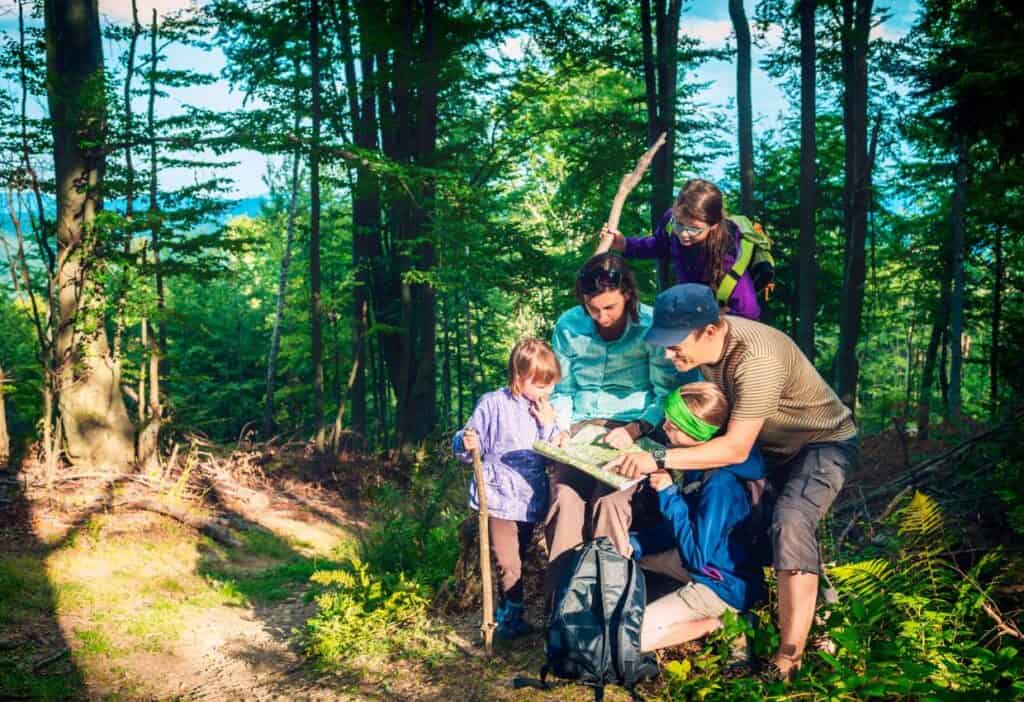
National Get Outdoors Day falls on June 13 as outdoor recreation reaches record participation levels in the United States and new research increasingly positions time spent outside as a measurable health tool rather than simply a leisure activity. The observance provides Americans a structured entry point into public lands at a time when the science supporting outdoor activity is stronger than ever. It draws both first-timers and regulars as participation rates climb and research continues to document the benefits.
This post may contain affiliate link(s). As an Amazon Associate, I earn from qualifying purchases. See Disclosures.
The latest federal data, released this year, puts the outdoor recreation economy at $696.7 billion in value added, equivalent to 2.4% of U.S. gross domestic product, with travel and tourism accounting for the largest gains. Hiking alone drew roughly 63 million participants in the most recent reporting period, making it the most popular outdoor-specific activity in the country. That interest has not slowed: users of a popular trail mapping app spent 75% more time outdoors in 2025 than the year prior, the strongest growth recorded since the pandemic.
What the science says actually happens
Research published in April 2026 found that as few as 10 minutes of outdoor exposure improved mental health symptoms across thousands of adult participants, regardless of age or gender. Benefits were consistent whether people took weekend camping trips or short neighborhood walks, and every setting produced results, from urban parks to forests to lakesides.
A 2025 meta-analysis found that green space exposure measurably reduces anxiety, depression, stress, anger and fatigue, with urban forests producing the strongest effects. The researchers attributed this to what those spaces remove rather than what they add: less noise, less pollution and fewer visual reminders of daily stress. Sitting or resting in green space outperformed active exercise for reducing negative mental health outcomes, though both produced gains in energy and alertness.

Hiking leads the participation surge
The 181.1 million participants in outdoor recreation in 2024 marked the ninth consecutive year of growth. Core participants, defined as the most frequent outdoor recreationists, grew by 5 million that year, the first such increase since 2013. Gateway activities, including hiking, camping, fishing, bicycling and running, each added an average of 2.1 million participants, pointing to accessible entry points rather than growth concentrated in niche or equipment-heavy pursuits.
For the first time on record, 53% of all American women participated in outdoor recreation in a single year. Youth participation rose by 5.6%, and seniors grew by 7.4%, making outdoor recreation one of the few leisure categories showing gains across every age group simultaneously.
What National Get Outdoors Day offers first-timers
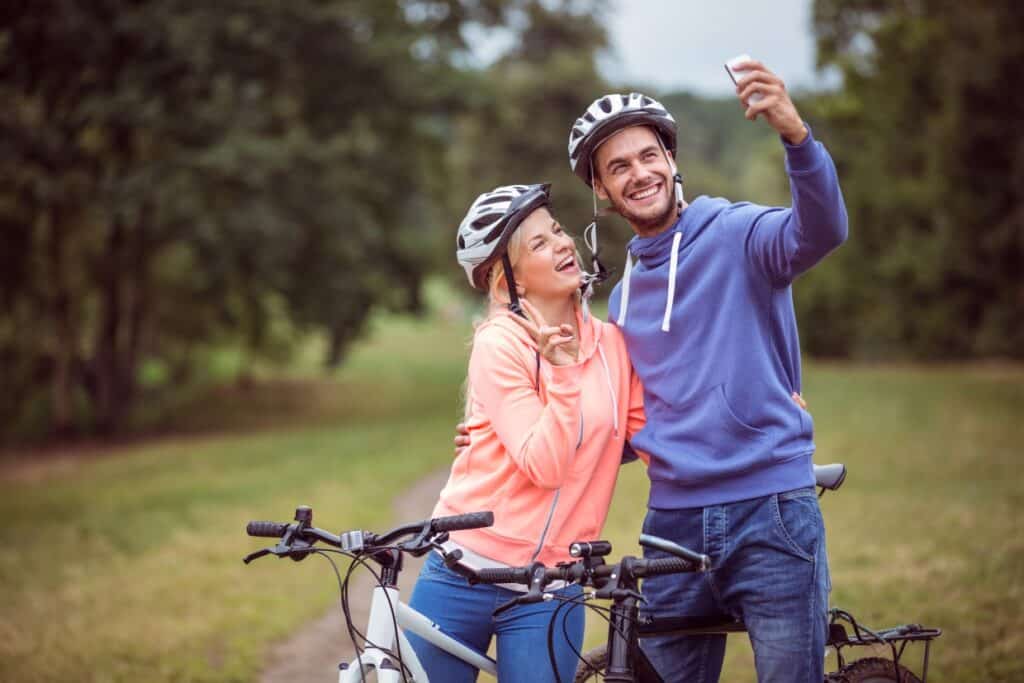
National Get Outdoors Day was created to address the gap between interest and access. To mark the occasion, the U.S. Forest Service typically waives standard day-use fees at national forests and grasslands, removing one of the most common barriers to a first visit. Events at participating sites are structured for beginners, with guided hikes, kayaking instruction, fishing, archery and geocaching available and equipment provided at most locations.
The timing aligns with a wider infrastructure push. At the start of Great Outdoors Month, the Department of the Interior launched the MAPLand Act Viewer, a centralized platform that consolidates trail, road and waterway access data that was previously fragmented across agencies. The EXPLORE Act, active throughout 2026, expands recreation access across public lands, with provisions that target improved accessibility for underserved communities, including people with disabilities, veterans and youth.

This moment matters
Outdoor recreation’s growth tracks a broader change in how Americans approach health, away from purely clinical interventions and toward preventive, low-cost lifestyle behaviors. The research arriving now gives that instinct institutional weight: time outside carries documented outcomes that hold across demographics, settings and activity types, and public health advocates, land managers and policymakers are increasingly treating access to the outdoors as infrastructure rather than amenity.
Whether the policy investments of the past two years translate into lasting access improvements is the open question. Participation is high, the science is strong and the will to fund public land access has not yet faded, but those conditions do not hold indefinitely, and the outdoor industry knows it.
Mandy writes about food, home and the kind of everyday life that feels anything but ordinary. She has traveled extensively, and those experiences have shaped everything, from comforting meals to small lifestyle upgrades that make a big difference. You’ll find all her favorite recipes over at Hungry Cooks Kitchen.