
Happy hour used to be a discount strategy for restaurants trying to fill tables before the dinner rush. Now it is the dinner rush, and the crowd showing up at 4 p.m. is younger, more deliberate about what they order and far less interested in closing down the bar than any generation before them. Something structural is happening to when Americans choose to drink, and the data is starting to catch up to what bartenders already knew.
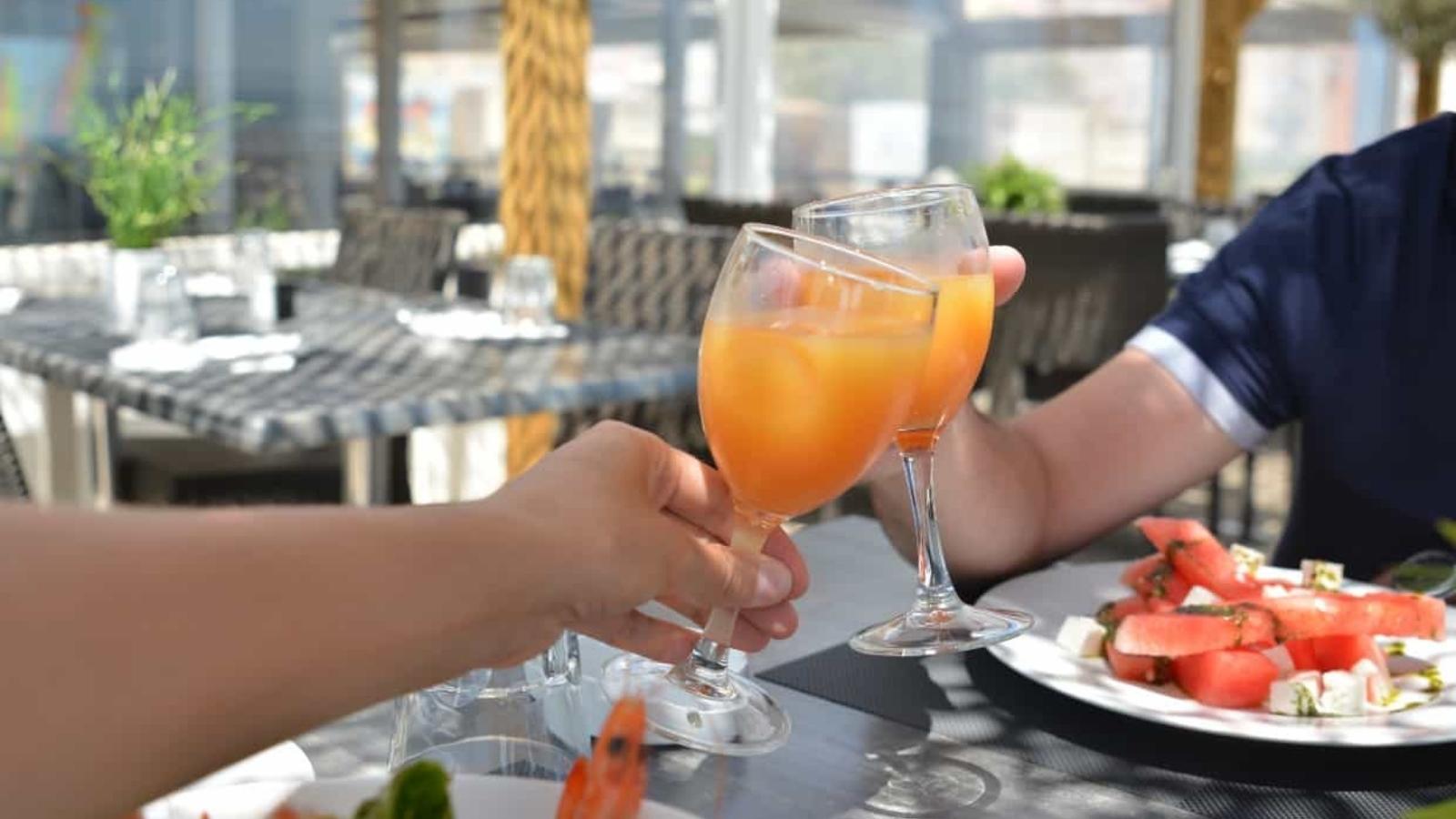
The change shows up in reservation behavior, bar programming and what people actually order when they sit down earlier. Bars across the country are restructuring around the 4-to-6 p.m. window, launching dedicated aperitivo programs and building menus around lower-ABV formats designed for shorter outings. The pre-dinner hour has gone from the industry’s slowest period to one of its most competitive.
What the numbers actually show
Reservations booked between 4 p.m. and 4:59 p.m. increased 13% year over year, and that number captures something larger than early dinners. Bacardi’s 2026 Cocktail Trends Report identifies the behavior as “afternoon society,” naming it one of the macro forces reshaping when and how Americans drink.
The same report found that 34% of younger legal-drinking-age consumers in the United States prefer earlier evenings over late-night occasions. In France, that figure climbs to 51%, suggesting the U.S. is catching up to a cultural pattern already established in Europe.
A separate travel and dining trend report found that more than half of Americans would rather book an early reservation and head home to unwind than stay out late. Many restaurants are now open for dinner as early as 4 p.m. and expand happy hour offerings to meet that demand. This is not a pandemic holdover or an inflation hedge, but a genuine change in how Americans choose to spend an evening.
The drink that defined the hour
Afternoon drinking has its own glass. Premium-priced aperitifs and bitters in the United States grew 18% annually between 2018 and 2023 and are forecast to accelerate to 19% through 2028. The category fits the afternoon naturally: lower alcohol, easy to pace and visually appealing enough to photograph. Spritz formats, mini martinis and small dessert-and-drink pairings lead afternoon menus because they fit what Bacardi’s report describes as occasions built around smaller, more intentional social windows. These are drinks for people who want a real social hour and an early bedtime.
What the afternoon occasion tells us
The preference for afternoon drinking is less a trend than a reset in what a good evening looks like. For a generation that grew up optimizing everything else in their lives, it turns out the social calendar was next. Fewer late nights, lighter drinks and a 9 p.m. bedtime are not signs of a generation drinking less; they are signs of one drinking smarter.
Aperitivo culture, once a European affectation on American menus, has become the format that fits: intentional, social, lower-ABV and done before the night gets late. The venues treating 4 p.m. as a primary hour rather than a gap to fill are the ones building the next generation of regulars.
Jennifer Allen is a retired professional chef and long-time writer. Her work appears in dozens of publications, including MSN, Yahoo, The Washington Post and The Seattle Times. These days, she’s busy in the kitchen developing recipes and traveling the world, and you can find all her best creations at Cook What You Love.