
Hungary’s lavender peninsula is having its moment
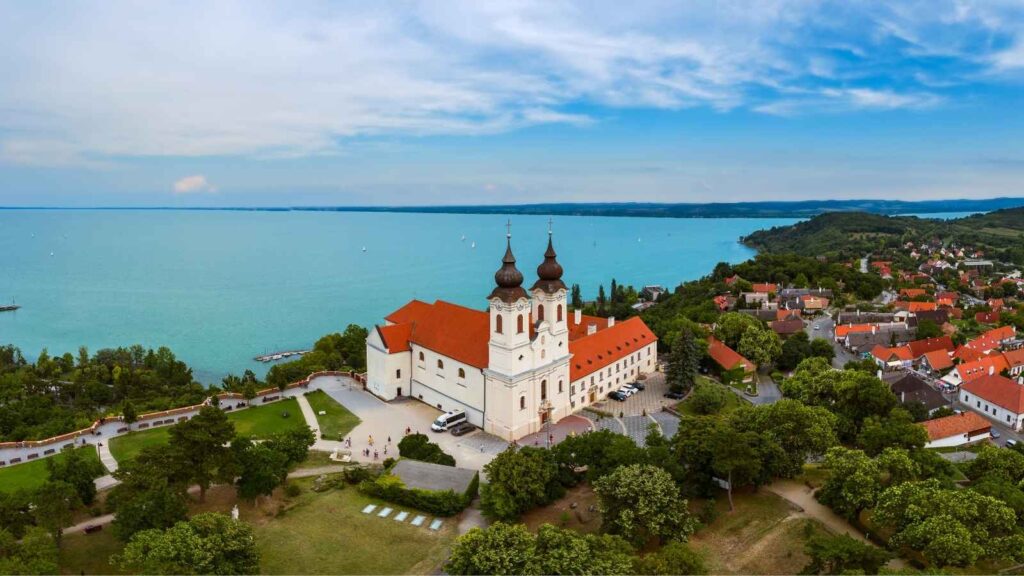
Every June, a volcanic peninsula jutting into Central Europe’s largest lake turns purple. The Tihany Peninsula in western Hungary has grown lavender since the 1930s, rooted in soil shaped by ancient volcanic activity and tended for centuries by the Benedictine monks who founded an abbey here in 1055. This year, the 2026 Tihany Lavender Festival runs June 15–30, and for the first time, the infrastructure around it matches the landscape. Luxury hotels, a botanical lab, a Michelin-recommended wine cellar and chartered yacht experiences have turned a pastoral tradition into a full itinerary.
For North American travelers watching European wellness destinations grow crowded and expensive, Tihany is the answer most haven’t found yet.
Why wellness travelers are turning to Central Europe
The timing is not accidental. The Global Wellness Institute’s 2026 Wellness Tourism Trends report identifies a dominant shift in how people are choosing to travel: away from performance-driven retreats and toward restorative escapes rooted in nature, thermal traditions and regional culture. Destinations that plan wellness at scale, rather than relegating it to hotel amenity lists, are drawing the strongest interest.
Tihany fits that framework precisely. The peninsula’s mineral-rich volcanic soil, its 11th-century monastic heritage and nearly a century of lavender cultivation give it exactly the kind of layered, place-specific character the GWI report flags as a driver of the new wellness traveler.
Where to stay
LUA Resort in nearby Balatонfüred sets the tone for the area’s five-star ambitions. The adults-only property pairs a world-class spa with panoramic views of Lake Balaton, offering a calm, modern base for days spent in the lavender fields. It is the kind of property that makes a two-week festival feel less like a day trip and more like a considered escape.
A short distance away, Hotel Vinifera Wine & Spa threads Hungary’s organic wine culture directly into its wellness offering. The 5-star superior property’s wine-and-spa concept works particularly well here: the same volcanic soils that produce Tihany’s lavender also yield the grapes behind some of Lake Balaton’s most distinctive bottles.
For travelers who want to be inside the story rather than adjacent to it, The Herbalist sits steps from the Benedictine Abbey itself. The boutique property uses high-quality local materials throughout, and its rooms carry the botanical character of the peninsula in a way that larger hotels cannot replicate.
What to do
The Lavender Tihany Visitor Centre’s onsite laboratory offers private sessions guided by expert pharmacists, where visitors formulate their own botanical skincare and perfumes using the peninsula’s trademarked, high-purity essential oils. It is one of the more unusual luxury experiences available anywhere in Central Europe, and it produces something worth carrying home.
At the House of Perfume, an immersive sensory tour traces the full history of Tihany’s lavender cultivation through interactive exhibits. The experience closes on a terrace overlooking the Inner Lake with tastings of artisanal lavender-infused gin and sparkling cocktails, a sequence that feels earned rather than staged.
Harvest workshops in the Old Lavender Fields lead into tastings at Tihanyi Vinarius, a Michelin-recommended destination where the signature lavender-infused Vinarius 200 desserts pair the peninsula’s two defining flavors. Guests can also charter a Jeanneau yacht from Balatонfüred with a private skipper, sailing the length of the peninsula to take in the abbey’s twin towers from the water alongside local organic wines.
The bigger picture
The global wellness economy reached $6.8 trillion in 2024, growing nearly 8% in a single year and now outpacing IT, tourism and sports as global industries. Central Europe is emerging as one of the regions best positioned to absorb that demand, with destinations like Tihany combining thermal and botanical heritage with newly built luxury infrastructure.
The festival window is narrow: June 15–30. Lavender blooms on its own schedule, and awareness among North American travelers remains low. That combination, a short season and a destination most people haven’t mapped yet, is precisely the kind of opening that tends to close fast.
From a hilltop above Lake Balaton, with the abbey towers to one side and fields of purple falling toward the water, Tihany looks less like a discovery and more like a place that has been waiting. In 2026, the waiting appears to be over.
Mandy Applegate is a luxury travel and fine dining journalist who has covered destinations across 47 countries, with a focus on high-end experiences and distinctive adventures. She is a co-founder of Food Drink Life, where she writes about travel, food and culture for a global audience. Her work is distributed through the Associated Press wire and appears in major U.S. outlets, including NBC, the Chicago Sun-Times, the Boston Herald and the Daily News.