
Francesco Mattana isn’t selling a pill or a protocol. The Sardinian chef, whose following across Instagram, TikTok, Facebook and YouTube tops 1.6 million, just released his debut cookbook centered on the food culture of his home island, 1 of only 5 places in the world officially designated a Blue Zone. It lands at a moment when the search for a longer life has become one of the biggest stories in travel and wellness, and one of the most crowded.
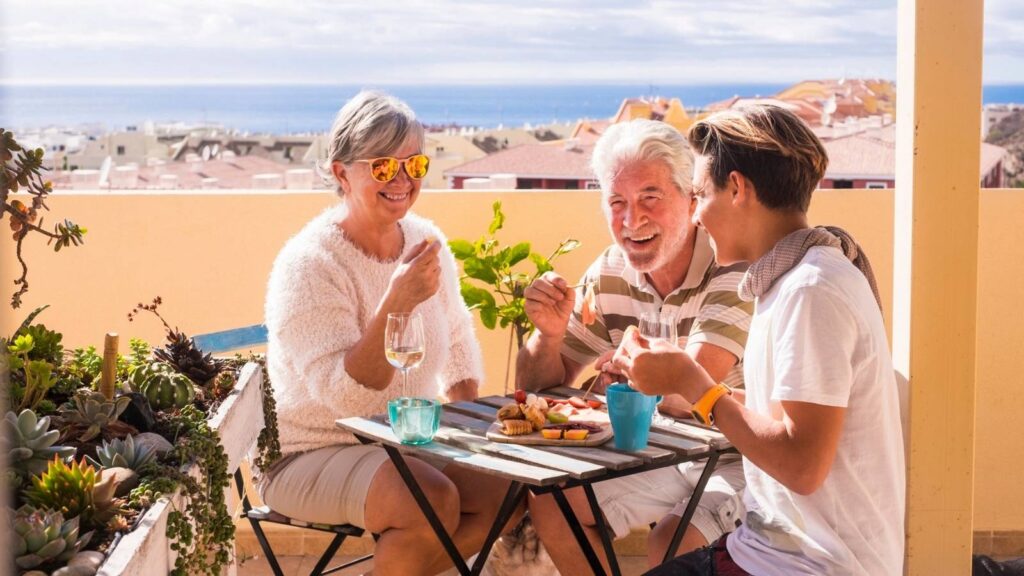
Mattana grew up watching his paternal grandfather fish and his maternal grandfather farm, so what landed on the family table came from people he knew personally. His nonna, his mamma and his zia did the cooking, and food was less a health strategy than a reason to gather everyone at the same table after a day apart.
“Food was a way to celebrate seasonal ingredients, bring the family together, catch up on each other’s lives and enjoy time together around the table,” Mattana said. That is the version of longevity he wants back on the shelf, even as the industry chasing the same idea looks less and less like it.
Right now, the field looks a lot like a supplement aisle. The global market for longevity supplements is set to grow from $8.75 billion in 2025 to nearly $9.7 billion this year, a pace industry data puts among the fastest-growing corners of wellness spending. Behind the growth is a straightforward pitch: capsules, powders and subscriptions promising what Mattana’s family got for free.
A Sardinian chef makes the case for simplicity
Mattana packed that same instinct into “Eat Like a Sardinian: Live to 100,” and points to something that rarely makes it into the coverage: many Sardinians who reached 100 years old ate diets that were repetitive, not varied, built on high-quality but limited ingredients. He also cautions against treating Sardinia’s habits as a formula to copy elsewhere. “At the moment, there is no conclusive evidence showing that adopting a ‘Blue Zone diet’ will produce the same outcomes in different populations,” Mattana said. Instead, he points to “ikigai,” a Japanese concept meaning reason for living, as the thread connecting Sardinia to the world’s other Blue Zones.
A Mexican clinic looks at the whole picture, not just the plate
On Mexico’s Costa Mujeres, just north of Cancún, SHA Mexico takes a different route into the same conversation. The property sits on more than 17 acres of Caribbean coastline in one of the region’s quieter, up-and-coming stretches, a calmer alternative to the busier hotel zones closer to the city.
The ambiance leans peaceful and restorative, luxurious in its finishes but still built around wellness rather than leisure. On the ground, the experience resembles a typical wellness getaway less than expected: consultations start with the usual health metrics, then widen into questions about work, home life and stress, the kind of everyday detail most spas never ask about.
The clinical team treats longevity as something shaped by an entire life rather than a single number on a chart. Alejandro Bataller, managing partner of SHA and AB Living Group, frames the distinction this way: “True health optimization is not about selling the promise of a longer life or relying on a single breakthrough.” He describes lasting health as the product of a personalized, evidence-based approach that blends lifestyle, medical science and ongoing prevention, not a shortcut in a bottle.
Hilton Head Health Wellness Resort & Spa packages the concept for American travelers
Hilton Head Health Wellness Resort & Spa took a third approach. It partnered directly with the Blue Zones organization to build the Blue Zones™ Experience, a seven-day retreat on South Carolina’s coast guided by the Power 9 principles behind the original research. The retreat runs one week a month, year-round, capped at 14 guests per session, and sends participants home with a personalized plan for keeping the habits going. It is the packaged, U.S.-accessible version of an idea that began thousands of miles away, in kitchens like Mattana’s.
The bigger picture is still being written
Longevity spending is not slowing down. The broader market, which includes everything from diagnostics to retreats to supplements, is estimated at roughly $29 billion this year, and analysts project continued growth of around 8% annually through the next decade. Where that money goes next, toward clinics, toward retreats, toward the next ingredient, will shape how the idea gets sold to the next generation of travelers.
Mattana’s answer is to resist the sale altogether. He is not arguing against the science or the retreats or the supplements. He argues that the people who lived the longest did not do so by chasing anything. They just kept showing up at the same table.
Jennifer Allen is a retired chef turned traveler, cookbook author and nationally syndicated journalist; she’s also a co-founder of Food Drink Life, where she shares expert travel tips, cruise insights and luxury destination guides. A recognized cruise expert with a deep passion for high-end experiences and off-the-beaten-path destinations, Jennifer explores the world with curiosity, depth and a storyteller’s perspective. Her articles are regularly featured on the Associated Press Wire, The Washington Post, Seattle Times, MSN and more.