
Vintage and antique home decor is having its strongest year in half a decade, and the reason is not nostalgia. Consumers want pieces with age, craft and story, things that feel collected, not purchased, and designers are responding by sourcing vintage at the highest rate in five years. The numbers behind that preference are larger than most people realize.
This post may contain affiliate link(s). As an Amazon Associate, I earn from qualifying purchases. See Disclosures.
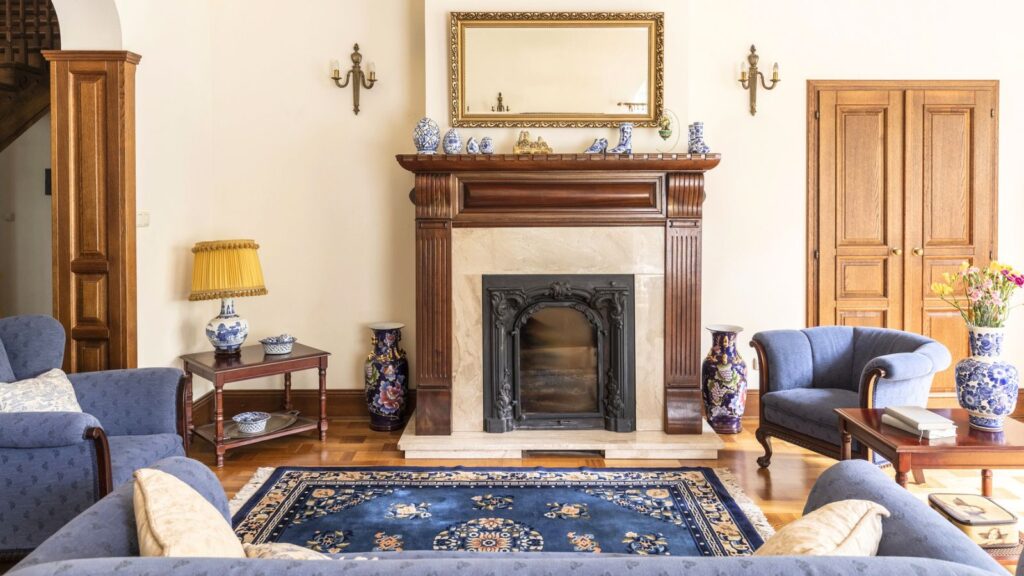
A decade of gray walls and flat-pack furniture left many interiors looking assembled, never quite lived in. Minimalism sold itself on clarity, and for a while, clarity was enough. But stripped-down rooms have a ceiling: there is only so much a well-placed plant and a concrete side table can do for a space that was never meant to tell a story. Now, the consumers are asking designers for rooms that feel layered and collected, spaces that look like they belong to a person with a past, not a catalog order number.
Designers source vintage at a 5-year peak
In 2025, an average of 36% of all items sourced for client design projects were vintage or antique, the highest proportion recorded since 2021. The share of designers actively incorporating vintage pieces reached 85%, the strongest five-year showing on record. The use of genuine pre-1920s antiques climbed from 56% in 2024 to 63% heading into 2026. These are not designers indulging a personal aesthetic preference but responding to what clients are requesting, which means the appetite for old things is coming from the rooms, not the studios.
Tariffs push designers further into vintage
Here is the part that makes the 2026 picture genuinely interesting: the same economic pressure that disrupted global furniture supply chains has quietly made the vintage market more attractive, not less. The same survey found that 92% of designers reported some degree of negative impact from tariffs introduced in 2025. In response, the share of pieces purchased internationally dropped from 32% in 2024 to 28% in 2025, while domestic sourcing climbed to 72%. Vintage and antique pieces, already stateside, already made and carrying no import exposure, became a rational alternative to new-production furniture caught in a complicated supply chain.
The pieces drawing the most demand right now
Not everything old is having a moment equally. Interest is sharpening around specific categories and eras. Pieces from the 1920s through the 1950s and pre-1920s antiques are growing in demand among designers, while enthusiasm for 1970s pieces has cooled. Vintage textiles are the single most sought-after secondhand category this year: woven wall pieces, patchwork quilts, embroidered fabric and pieces pulled for reupholstery.
Murano glass pendants, curved and skirted seating, china cabinets and handmade ceramics complete the picture. It is a coherent turn, unified by craft, texture and the sense that something took time to make.
This is not just a designer trend
The appetite for vintage runs well beyond the professional design world. A recent industry survey found that homeowners plan to spend an average of $5,600 on home improvements this year, and one major home design platform logged a 44% year-over-year increase in home project content traffic, a clear indicator that people who are not buying new homes are investing seriously in the ones they already occupy.
Millennials and younger buyers have become a central force in the secondhand market, motivated not only by style but by something closer to principle. They focus on sustainability, durability, the quiet logic that a well-built piece from 70 years ago will outlast anything that arrived in a flat box last Tuesday.
The mass-market furniture cannot compete
What vintage delivers that a furniture showroom cannot is character, the specific, accumulated kind that only comes with time. The two design aesthetics that designers expect to dominate in 2026, maximalism and eclecticism, cited by 39% and 38% of designers surveyed, both depend on vintage pieces to work. A maximalist room cannot be assembled from a catalog. The pieces have to feel like they arrived from different eras and places, which is precisely what an antique chair or a mid-century lamp provides, and precisely what a room of matching SKUs never will.
When designers talk about rooms that feel collected, not purchased, vintage is not one tool among many. It is the main ingredient.
The market behind the movement
The global secondhand furniture market is projected to grow from $49.46 billion in 2026 to $62.66 billion by 2031, a trajectory that reflects something more durable than a design cycle. Resale platforms, consignment shops, specialty vintage marketplaces and retailer-led buyback programs are all expanding to meet demand that shows no signs of plateauing.
The conditions feeding the vintage boom are structural, not seasonal: tariff pressure, rising new-goods prices, sustainability awareness and a genuine consumer appetite for things that carry meaning. They were building before anyone named them a trend, and they are likely to keep building long after the term fades.
The most enduring rooms have always been the ones that looked like they took years to assemble. That is the point entirely. A piece of furniture that has already lasted 80 years is not just decor; it is a quiet, practical argument against everything disposable.
Mandy writes about food, home and the kind of everyday life that feels anything but ordinary. She has traveled extensively, and those experiences have shaped everything, from comforting meals to small lifestyle upgrades that make a big difference. You’ll find all her favorite recipes over at Hungry Cooks Kitchen.